By: Shelby McCullough| Published: December 29, 2025
Strong storms leave nearly one in four American homes in Florida facing dangerous tree damage every year. For Orlando homeowners, the threat of unstable trees is more than a cosmetic concern. Safety and property value hang in the balance when dealing with storm-ravaged limbs or planning new outdoor spaces. This article highlights expert approaches to certified tree removal, giving you the knowledge to protect your property, ensure compliance with local regulations, and make smart choices for lasting peace of mind.
Table of Contents
- Defining Tree Removal and Its Necessity
- Types of Tree Removal Situations in Florida
- Certified Arborists: Standards and Credentials
- Legal, Safety, and Permit Requirements
- Risks, Costs, and Common Mistakes
Key Takeaways
| Point | Details |
|---|---|
| Importance of Certified Arborists | Always consult a certified arborist for tree assessments to ensure compliance with legal regulations and ecological considerations. |
| Risk Management | Tree removal carries significant risks; professional assessments prevent personal injury and property damage. |
| Permit Requirements | Familiarize yourself with local tree removal permit requirements to avoid fines and legal complications. |
| Cost Considerations | Evaluate potential long-term costs associated with improper tree removal to protect property value and landscape integrity. |
Defining Tree Removal and Its Necessity
Tree removal represents a strategic landscaping intervention in Orlando designed to address potential hazards, property management challenges, and ecological considerations. In Florida, tree removal laws balance property rights with environmental preservation, providing homeowners with guidelines for responsible tree management.
Professional tree removal becomes necessary under several critical circumstances. Dangerous trees with compromised structural integrity pose significant risks to property and personal safety, especially during Florida’s intense storm seasons. Certified arborists assess trees for potential threats like extensive root damage, disease progression, pest infestations, or storm-related structural weakening that might compromise a tree’s stability. These professionals determine whether complete removal or strategic pruning represents the most appropriate intervention.
Beyond safety considerations, tree removal plays a crucial role in landscape design and property development. Homeowners might require tree removal to create space for new construction, improve sunlight exposure, eliminate competition between plants, or mitigate potential damage to foundations, driveways, or underground utility lines. Each removal decision requires careful evaluation of the tree’s health, location, and potential long-term environmental impact.
Here’s a summary of the main motivations for tree removal in Orlando:
| Motivation | Description | Typical Examples |
|---|---|---|
| Safety concerns | Removing hazardous or unstable trees | Storm-damaged or diseased trees |
| Development needs | Creating space for construction or renovation | New buildings or driveway access |
| Ecological management | Controlling species or plant competition | Invasive species, dense shading |
| Infrastructure risks | Preventing damage to utilities or structures | Roots near foundations, powerlines |
Pro tip: Always consult a certified arborist before removing trees to understand potential ecological implications and ensure compliance with local Orlando landscaping regulations.
Types of Tree Removal Situations in Florida
In Florida, tree removal scenarios are complex and nuanced, guided by a sophisticated framework of state and local regulations. Protected tree species and removal laws create a comprehensive approach to managing landscape interventions, balancing property owner needs with ecological preservation.
Florida’s tree removal situations typically fall into several critical categories. Hazardous tree removal represents the most urgent scenario, where trees with compromised structural integrity threaten property or personal safety. These situations include trees with extensive root damage, severe disease progression, significant pest infestations, or storm-related structural weakening. Local municipalities and certified arborists collaborate to assess potential risks and determine whether complete removal or strategic pruning represents the most appropriate intervention.
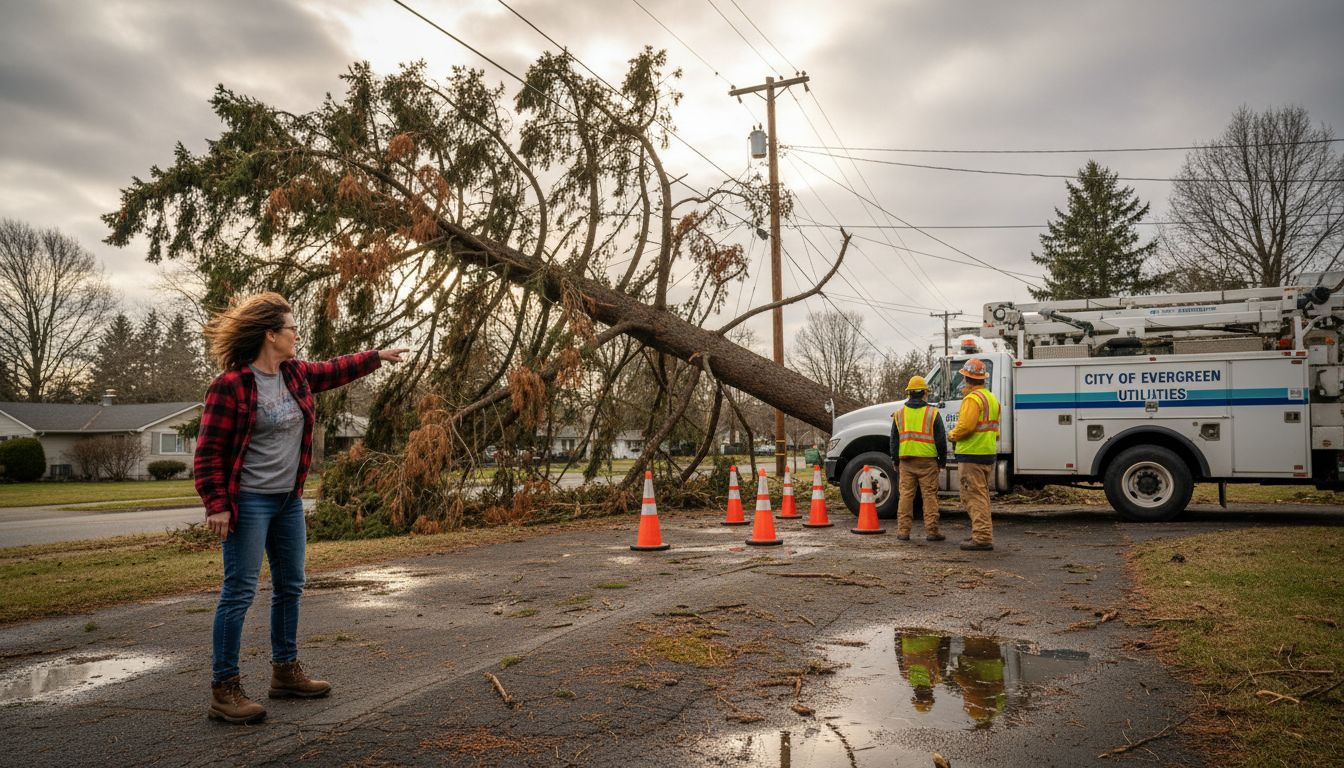
Additional tree removal scenarios encompass development-related needs, ecological management, and utility line protection. Homeowners might require tree removal to clear space for new construction, eliminate potential foundation damage, manage plant competition, or create improved sunlight exposure. Some removal situations arise from invasive species management, while others address trees interfering with critical infrastructure like power lines, water resources, or underground utilities. Each removal decision requires careful evaluation of the tree’s health, location, potential environmental impact, and compliance with local Orlando landscaping regulations.
Pro tip: Always document the condition of trees requiring removal through professional photographic evidence and arborist assessments to support potential insurance claims or legal considerations.
Certified Arborists: Standards and Credentials
Certified arborists represent the highest professional standard in tree care, with rigorous qualification processes that ensure comprehensive expertise in tree management. ISA Certified Arborist credentials establish a critical benchmark for professional competence, requiring practitioners to demonstrate advanced knowledge across multiple aspects of arboriculture.
To achieve certification, professionals must navigate a demanding qualification pathway that combines practical experience and extensive technical understanding. Candidates are required to complete at least three years of professional arboriculture work or hold a relevant academic degree, followed by passing a comprehensive examination covering complex topics such as tree biology, diagnostic techniques, safety protocols, and industry best practices. This credentialing process ensures that certified arborists possess the skills necessary to conduct sophisticated tree assessments, manage potential risks, and make informed recommendations about tree removal, preservation, or intervention.
In Florida, these credentials carry significant weight, particularly when legal or insurance considerations are involved. Certified arborists provide authoritative assessments for tree health, structural integrity, and potential hazards. Their professional evaluations are often critical in determining whether a tree requires removal, can be rehabilitated, or poses potential risks to property and public safety. The ongoing requirement for continuing education means that these professionals remain current with evolving industry standards, emerging technologies, and advanced tree care methodologies.
Pro tip: Always verify an arborist’s current certification status through the International Society of Arboriculture before engaging their professional services.
Legal, Safety, and Permit Requirements
Tree removal in Orlando involves a complex legal framework designed to balance property owner rights with environmental preservation and public safety. The City of Orlando’s tree removal permit system establishes clear guidelines for residential and commercial property owners, creating a structured approach to managing landscape interventions.
For residential properties, the permit requirements offer some flexibility. Homeowners can remove trees without obtaining a permit if a certified arborist or licensed landscape architect provides documentation confirming the tree poses a significant safety risk. Commercial properties face more stringent regulations, requiring comprehensive permits for any tree removal. These requirements typically involve detailed assessments that consider the tree’s health, potential environmental impact, and specific location characteristics. The documentation must demonstrate that removal is necessary and complies with local ecological preservation standards.
Florida’s tree removal regulations extend beyond simple permitting processes, incorporating complex legal considerations that protect both property owners and the broader ecosystem. State law requires property owners to follow specific procedures, including obtaining professional assessments, maintaining proper documentation, and adhering to safety protocols. Local ordinances often supplement state regulations, creating additional layers of compliance that address unique environmental conditions in different municipalities. These legal frameworks ensure that tree removal is not conducted arbitrarily but represents a carefully considered decision that balances safety, property needs, and environmental conservation.
Pro tip: Document every step of your tree removal process with photographs, professional assessments, and official communications to protect yourself from potential legal complications.
Risks, Costs, and Common Mistakes
Tree removal in Florida involves significant potential risks that extend far beyond simple landscaping decisions. Understanding the nuanced risks associated with tree removal requires careful assessment and professional guidance, particularly given the complex legal and safety considerations unique to the region.
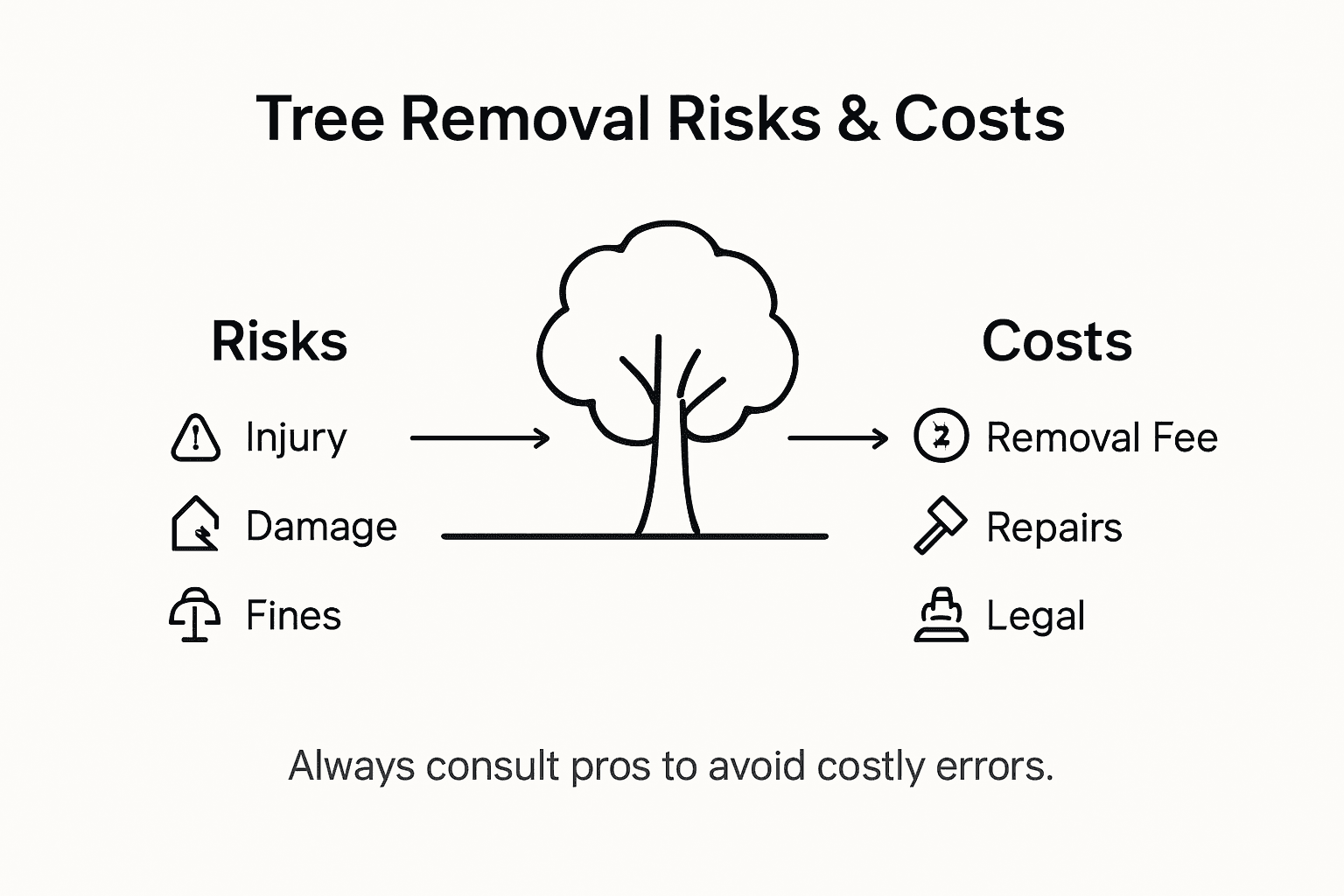
Common mistakes in tree removal can lead to substantial financial and legal consequences. Homeowners frequently underestimate the complexity of proper tree removal, which can result in unintended property damage, personal injury, or significant regulatory penalties. These errors often stem from improper hazard identification, neglecting necessary permits, or attempting tree removal without professional expertise. Potential risks include structural damage to buildings, injury from falling limbs, interference with underground utilities, and violations of local environmental protection ordinances that can result in expensive fines.
The financial implications of tree removal extend beyond immediate service costs. Improper removal techniques can cause long-term landscape damage, potentially reducing property value and requiring expensive future remediation. Professional arborists recommend comprehensive assessments that evaluate the tree’s health, location, potential risks, and environmental impact. These evaluations help property owners make informed decisions that balance safety, aesthetic considerations, and potential long-term landscape management costs. Additional expenses may include specialized equipment, disposal fees, potential landscape restoration, and addressing any unintended damage caused by amateur removal attempts.
The table below compares mistakes commonly made during tree removal with their possible consequences:
| Mistake | Possible Consequence | Prevention Tip |
|---|---|---|
| Skipping professional assessment | Missed hazards, legal penalties | Always hire a certified arborist |
| Ignoring permit requirements | Fines, project delays | Obtain proper documentation |
| Improper cutting techniques | Personal injury, property damage | Use trained, insured professionals |
| Neglecting documentation | Insurance claim denial | Take photos and keep records |
Pro tip: Always obtain multiple professional assessments and written estimates before proceeding with tree removal to understand the full scope of potential risks and associated costs.
Expert Tree Removal Solutions for Orlando Homeowners and Businesses
Facing the challenge of safely removing hazardous or storm-damaged trees can be overwhelming without professional guidance. This article highlights key concerns such as legal requirements, safety risks, and the importance of certified arborist assessments—areas where many Orlando residents and business owners seek trusted assistance. Whether managing property development needs or addressing ecological impact, navigating these complexities calls for expert support.
McCullough Tree Service specializes in providing licensed, certified arborist-backed tree removal and care tailored for Orlando’s unique environment. Our team understands the critical nature of compliance, safety, and damage prevention, making us the reliable partner for your property’s tree management needs. You can learn more about our expertise in professional tree trimming and removal services and discover how we help you avoid common pitfalls highlighted in the article.
Stop risking costly mistakes or legal complications with unverified tree removal. Act now to ensure your property’s safety with a trusted team dedicated to comprehensive tree health assessments, storm cleanup, and proper removal practices.
Explore how our certified professionals deliver peace of mind and expert care by visiting McCullough Tree Service. Contact us today for a detailed evaluation and personalized estimate to protect your home or commercial property in Orlando.
Frequently Asked Questions
What are the main reasons for tree removal in landscaping?
Tree removal is necessary for safety concerns, development needs, ecological management, and to mitigate risks to infrastructure. Unsafe or diseased trees, space for construction, and invasive species management are common reasons.
How do I know if a tree needs to be removed?
A tree may need removal if it exhibits signs of structural compromise, disease, or pest infestations. Consulting a certified arborist can help assess the tree’s health and determine if removal is necessary.
What should I consider before removing a tree on my property?
Before removing a tree, consider its health, location, potential environmental impact, and any local regulations regarding tree removal. It’s essential to consult with a certified arborist for guidance and compliance.
Are there legal requirements for tree removal in Orlando?
Yes, tree removal in Orlando involves legal requirements, including obtaining permits for commercial properties and following specific procedures to ensure compliance with local environmental regulations.
Recommended