By: Shelby McCullough| Published: December 19, 2025
Every year, severe storms and unpredictable weather conditions lead to urgent calls for emergency tree removal across American communities. These sudden events can turn a familiar backyard or neighborhood park into a safety concern, placing homes, businesses, and public spaces at risk. With almost one in five homeowners facing tree-related property emergencies at least once in their lifetime, understanding the warning signs and steps of emergency tree removal can make a significant difference in preventing costly damage and personal injury.
Table of Contents
- Emergency Tree Removal Defined And Explained
- Common Reasons For Emergency Tree Removal
- The Step-By-Step Emergency Removal Process
- Safety, Legal, And Insurance Considerations
- Cost Factors And Choosing Professional Services
Key Takeaways
| Point | Details |
|---|---|
| Emergency Removal is Critical | Trees can quickly become hazards due to storms, disease, or structural issues, requiring swift professional intervention. |
| Proactive Assessments Matter | Regular evaluations by certified arborists can identify risks early, preventing costly emergency situations. |
| Choose Professionals Wisely | Selecting certified and insured arborists ensures safety, expertise, and appropriate handling of complex removal needs. |
| Document Everything | Maintaining thorough documentation can support insurance claims and facilitate legal compliance following an emergency removal. |
Emergency Tree Removal Defined and Explained
Emergency tree removal represents a critical intervention when trees pose immediate risks to human safety and property integrity. Identifying an immediate tree hazard requires understanding the specific conditions that transform a routine landscape feature into a potential danger zone. These hazards typically manifest through sudden structural failures, including uprooting, splitting, or severe leaning that threatens nearby structures, power lines, or pedestrian areas.
In Central Florida, emergency tree situations frequently arise from severe weather events like hurricanes, tropical storms, and intense thunderstorms. Specific warning signs include trees with compromised root systems, extensive trunk damage, large dead branches, fungal growth indicating internal decay, and trees leaning precariously after wind events. Professional arborists assess these risks using specialized techniques to determine whether immediate removal is necessary to prevent potential catastrophic damage.
The emergency tree removal process involves several critical steps. First, a certified arborist conducts a rapid yet thorough assessment of the tree’s condition, evaluating structural integrity, potential failure points, and immediate risk factors. Specialized equipment like crane-assisted removal might be deployed for trees in complex urban environments where precision is paramount. Safety protocols demand strategic planning to minimize additional property damage during the removal process, which often involves coordinating with local authorities and utility companies to ensure comprehensive risk mitigation.
Pro Tip – Emergency Preparedness: Before storm season, conduct a proactive tree assessment with a certified arborist to identify potential hazards and mitigate risks before they become emergency situations. Early identification can save thousands in potential property damage and prevent dangerous scenarios.
Pro Tip – Quick Assessment: Learn to recognize basic tree health warning signs like significant trunk cracks, extensive root exposure, or fungal growth, which could indicate potential emergency removal needs before they become critical threats.
Common Reasons for Emergency Tree Removal
Central Florida property owners face numerous scenarios that necessitate immediate tree removal, with critical safety risks emerging from various environmental conditions. Storm damage represents the most prevalent trigger, where hurricane-force winds, lightning strikes, and saturated ground conditions can rapidly transform healthy trees into potentially catastrophic hazards. Trees weakened by prolonged exposure to extreme weather may suddenly collapse, threatening structures, power lines, and human safety.
Disease and pest infestations constitute another significant reason for emergency tree removal. In Central Florida’s humid climate, trees are particularly susceptible to fungal infections, wood-boring insects, and root diseases that compromise structural integrity. Advanced decay can create invisible internal damage, making trees appear stable while harboring critical structural weaknesses that increase the likelihood of unexpected failure. Professional arborists use specialized diagnostic techniques to identify these hidden threats before they escalate into emergency situations.
Structural abnormalities like significant trunk lean, extensive root damage, and advanced decay also trigger emergency removal protocols. Trees positioned near buildings, roadways, or utility infrastructure require constant monitoring, as even minor structural compromises can rapidly develop into imminent safety risks. Factors such as soil erosion, construction damage, and age-related deterioration can create conditions where trees become unpredictable and dangerous, necessitating swift professional intervention to prevent potential property damage or personal injury.
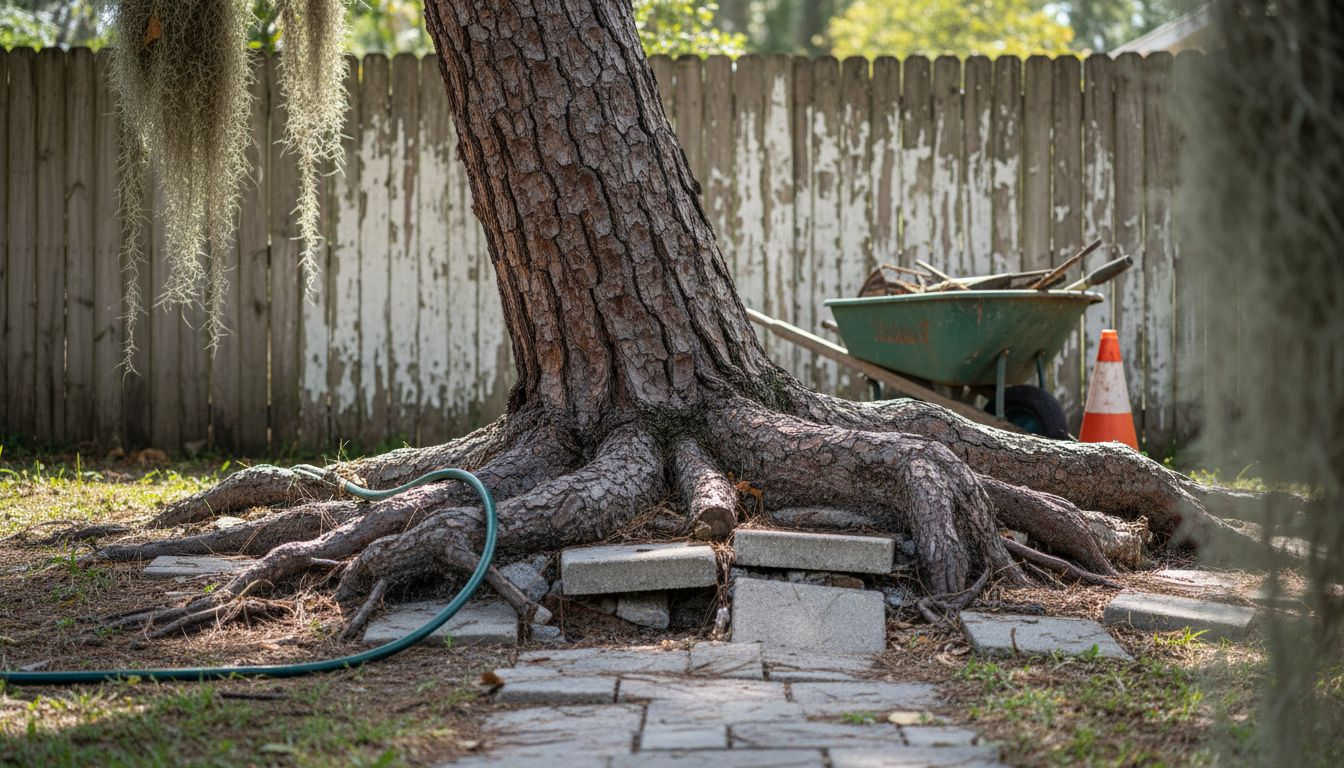
Here’s a summary of the most common emergencies that require tree removal:
| Emergency Cause | Typical Impact | Immediate Risk |
|---|---|---|
| Storm Damage | Broken limbs, uprooting | Threat to property & power lines |
| Disease/Pests | Decay, internal weakness | Sudden collapse risk |
| Structural Abnormalities | Leaning, root loss | Impacts nearby structures |
Pro Tip – Risk Assessment: Conduct quarterly visual inspections of trees on your property, looking for signs of stress like unusual leaning, bark damage, or dead branches, which can help identify potential emergency removal needs before they become critical.
Pro Tip – Professional Evaluation: Schedule annual professional arborist assessments to comprehensively evaluate tree health and structural integrity, catching potential issues before they transform into emergency scenarios.
The Step-By-Step Emergency Removal Process
Emergency tree removal requires a systematic and carefully coordinated approach that prioritizes safety and minimizes potential property damage. The initial stage involves a rapid yet comprehensive risk assessment by certified arborists who evaluate the immediate threat level and determine the most appropriate removal strategy. Emergency removal protocols typically involve obtaining retroactive documentation within seven days of the intervention, ensuring legal compliance and providing a comprehensive record of the emergency action.
The actual removal process begins with establishing a secure perimeter around the affected tree, which involves carefully cordoning off the surrounding area to protect people, vehicles, and nearby structures. Professional tree removal teams utilize specialized equipment like crane-assisted removal techniques, strategic cutting methods, and precision rigging to deconstruct the tree systematically. This approach allows for controlled dismantling, reducing the risk of unexpected structural collapse and minimizing potential collateral damage to surrounding property.
Following the physical removal, additional critical steps include thorough site cleanup, debris management, and a comprehensive post-removal assessment. Arborists will evaluate the surrounding landscape to identify potential secondary risks, such as root systems that might have been destabilized or adjacent trees that may have been impacted by the emergency situation. Documentation becomes crucial during this phase, with detailed reports tracking the removal process, identifying the original hazard, and providing recommendations for future preventative measures to mitigate similar risks.
Pro Tip – Documentation Preparation: Immediately photograph and document the emergency tree condition before removal, capturing visual evidence that can support insurance claims and retroactive permit applications.
Pro Tip – Follow-up Management: Request a detailed written report from your arborist after emergency removal, including recommendations for landscape rehabilitation and potential future tree placement strategies.
Safety, Legal, and Insurance Considerations
Navigating the complex landscape of emergency tree removal requires a comprehensive understanding of safety protocols, legal responsibilities, and insurance implications. Property owners must recognize that liability extends beyond immediate damage, encompassing potential risks to neighboring properties, public infrastructure, and human safety. Proper documentation becomes critical when managing post-disaster tree removal, especially for insurance claim purposes, with detailed photographic and written evidence serving as essential supporting documentation for potential reimbursement and legal protection.
Legal considerations involve multiple layers of responsibility and potential regulatory compliance. Local municipalities in Central Florida often have specific ordinances governing emergency tree removal, requiring property owners to obtain necessary permits and follow established protocols. Professional arborists must adhere to strict licensing requirements, maintaining comprehensive insurance coverage that protects both the service provider and the property owner. Certification becomes crucial, as unauthorized or improperly executed tree removals can result in significant financial penalties and potential legal disputes with neighboring property owners or municipal authorities.
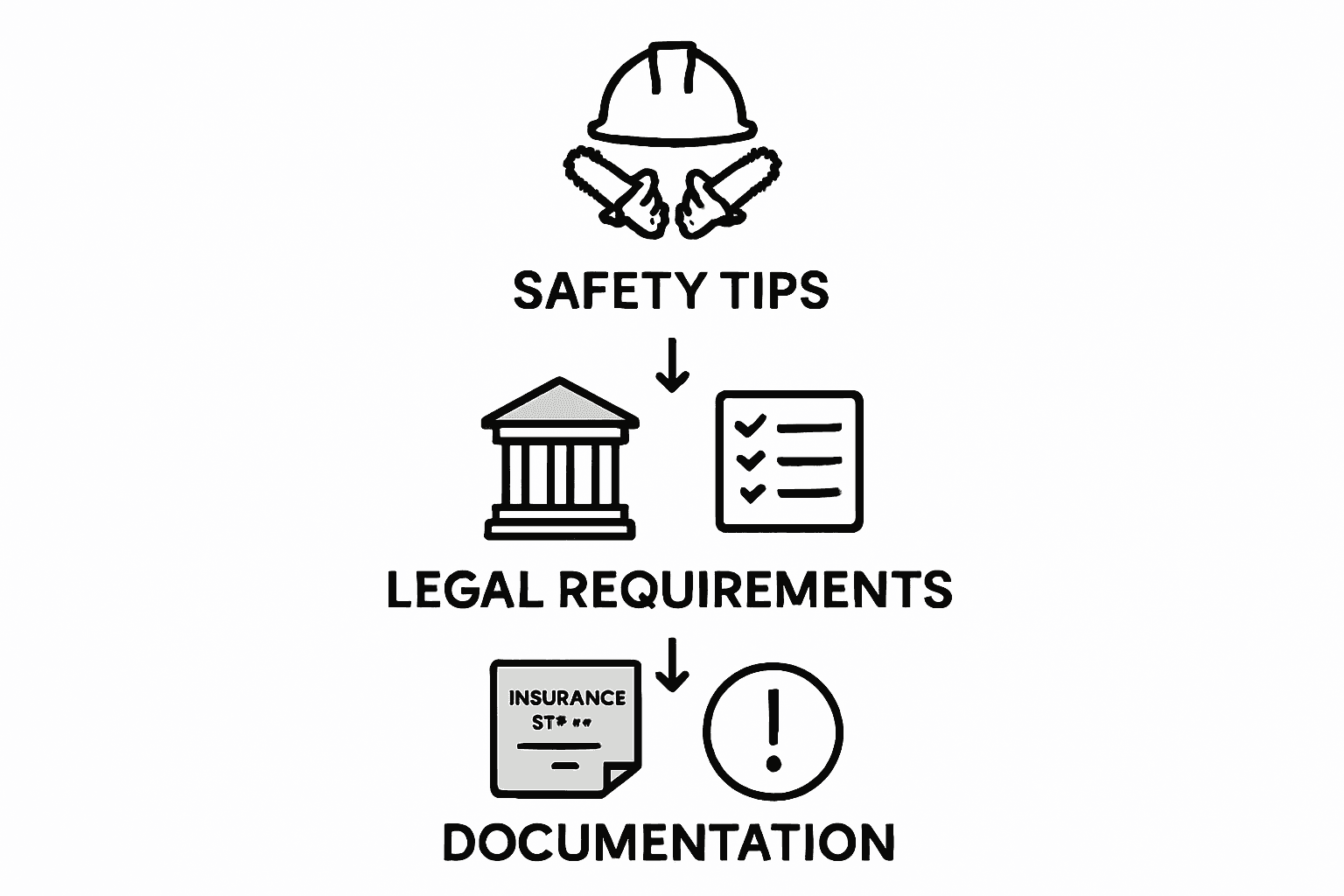
Insurance coverage for emergency tree removal varies significantly between policies, making proactive communication with insurance providers essential. Most homeowners insurance policies provide partial coverage for tree removal, particularly when the tree threatens structural integrity or results from natural disasters. However, coverage limits, deductibles, and specific conditions can dramatically impact out-of-pocket expenses. Property owners should carefully review their existing policies, understanding the extent of protection and potential limitations before an emergency occurs, thereby avoiding unexpected financial burdens during already stressful situations.
Pro Tip – Insurance Preparedness: Conduct an annual review of your insurance policy, specifically examining tree removal and storm damage clauses, and maintain a comprehensive photographic inventory of your property’s landscape to expedite potential claims.
Pro Tip – Documentation Strategy: Create a dedicated digital folder for storing emergency-related documents, including professional assessment reports, photographic evidence, and communication records with arborists and insurance providers.
Cost Factors and Choosing Professional Services
Emergency tree removal costs can vary dramatically based on multiple complex factors, with professional assessment playing a critical role in determining the complexity and pricing of the intervention. The primary cost determinants include the tree’s size, location, accessibility, and the potential risks associated with its removal. Large trees situated near structures or power lines require more intricate removal strategies, specialized equipment, and highly skilled technicians, which significantly increase the overall expense.
Choosing a professional tree removal service demands careful consideration beyond simple price comparisons. Certified arborists bring specialized knowledge that extends far beyond basic removal techniques, offering comprehensive risk assessment, strategic removal planning, and post-removal landscape evaluation. Key credentials to examine include professional certification, comprehensive insurance coverage, local licensing, and a demonstrable track record of handling emergency situations in Central Florida’s unique environmental conditions. Homeowners should request detailed written estimates that break down specific services, equipment usage, and potential additional costs associated with complex removal scenarios.
Key factors to consider when choosing an emergency tree removal service:
| Criteria | Why It Matters | What to Check |
|---|---|---|
| Certification | Ensures safety and expertise | ISA or state license |
| Insurance Coverage | Protects you from liability | Provider’s policy limits |
| Experience | Prepared for complex emergencies | Past client references |
| Detailed Estimates | Prevents unexpected costs | Clear, itemized quotes |
Financial planning for emergency tree removal requires a nuanced approach that considers both immediate costs and potential long-term savings. While professional services might seem more expensive initially, they mitigate significant risks of property damage, personal injury, and potential legal complications. Many homeowners insurance policies provide partial coverage for emergency tree removal, particularly when the tree poses an immediate threat to structures or results from natural disasters. Obtaining multiple professional assessments, maintaining comprehensive documentation, and understanding your insurance policy’s specific provisions can help manage unexpected financial burdens during high-stress emergency situations.
Pro Tip – Comparative Pricing: Request itemized estimates from at least three certified arborist services, comparing not just total cost but the specific scope of services, equipment used, and professional credentials.
Pro Tip – Budget Protection: Establish an annual emergency tree maintenance fund that can help offset unexpected removal costs and provide financial flexibility during urgent situations.
Protect Your Central Florida Property with Expert Emergency Tree Removal
Sudden tree hazards like storm damage, disease, or structural weaknesses can threaten your safety and property. When emergency situations arise, quick and professional action is essential to prevent costly damage and injury. McCullough Tree Service offers certified arborist expertise in fast emergency assessments, precise removal using specialized equipment, and thorough cleanup to protect your home or business.

Don’t wait until a dangerous tree becomes a disaster. Take advantage of our comprehensive emergency tree removal services and storm cleanup solutions to ensure your property remains safe and beautiful. Visit McCullough Tree Service to schedule an immediate consultation or learn about our storm cleanup and tree health assessment options. Protect your investment today with trusted professionals ready to respond quickly and reliably.
Frequently Asked Questions
What are the common signs that a tree needs to be removed urgently?
Common signs include significant trunk cracks, extensive root exposure, large dead branches, leaning trees, and fungal growth indicating internal decay.
How does severe weather contribute to emergency tree removal?
Severe weather such as hurricanes and intense thunderstorms can weaken trees, causing them to uproot, split, or lean dangerously, posing risks to people and property.
What steps are involved in the emergency tree removal process?
The process includes a rapid assessment by a certified arborist, establishing a secure perimeter, using specialized equipment for removal, and thorough site cleanup afterward.
Are insurance companies likely to cover the costs of emergency tree removal?
Most homeowners insurance policies provide partial coverage for tree removal, especially if the tree poses an immediate threat to structures or is damaged by natural disasters.
Recommended
- Be smart heading into storm season with Florida trees – McCullough Tree Service
- Tree Removal Maitland FL
- Tree Removal Orlando FL
- Tree Service DeBary FL