By: Shelby McCullough| Published: December 30, 2025
Strong storms in Central Florida can leave even the most prepared American homeowners facing urgent threats from damaged trees. Quick action is critical because over 90 percent of storm-related property damage in the region involves compromised trees, putting families and homes at risk. Understanding the true scope of emergency tree services empowers you to make informed, safe choices with certified arborists ready to respond when every minute counts.
Table of Contents
- Defining Emergency Tree Services and Misconceptions
- Types of Emergency Tree Situations in Florida
- Certified Arborists and Rapid Response Protocols
- Legal, Insurance, and Safety Requirements
- Financial Implications and Common Pitfalls
Key Takeaways
| Point | Details |
|---|---|
| Emergency Tree Services Prioritize Safety | These services focus on addressing immediate tree-related hazards to protect people and property, requiring prompt professional intervention. |
| Certified Arborists Offer Expertise | Hiring certified arborists ensures knowledgeable risk assessment and strategic interventions that prioritize public safety and tree health. |
| Legal and Insurance Aspects are Critical | Homeowners must understand relevant Florida statutes and ensure arborists have comprehensive insurance to mitigate risks during emergency situations. |
| Financial Risks Can Escalate Quickly | Delaying tree care or choosing unqualified providers can lead to significant property damage and higher costs; proactive management is essential. |
Defining Emergency Tree Services and Misconceptions
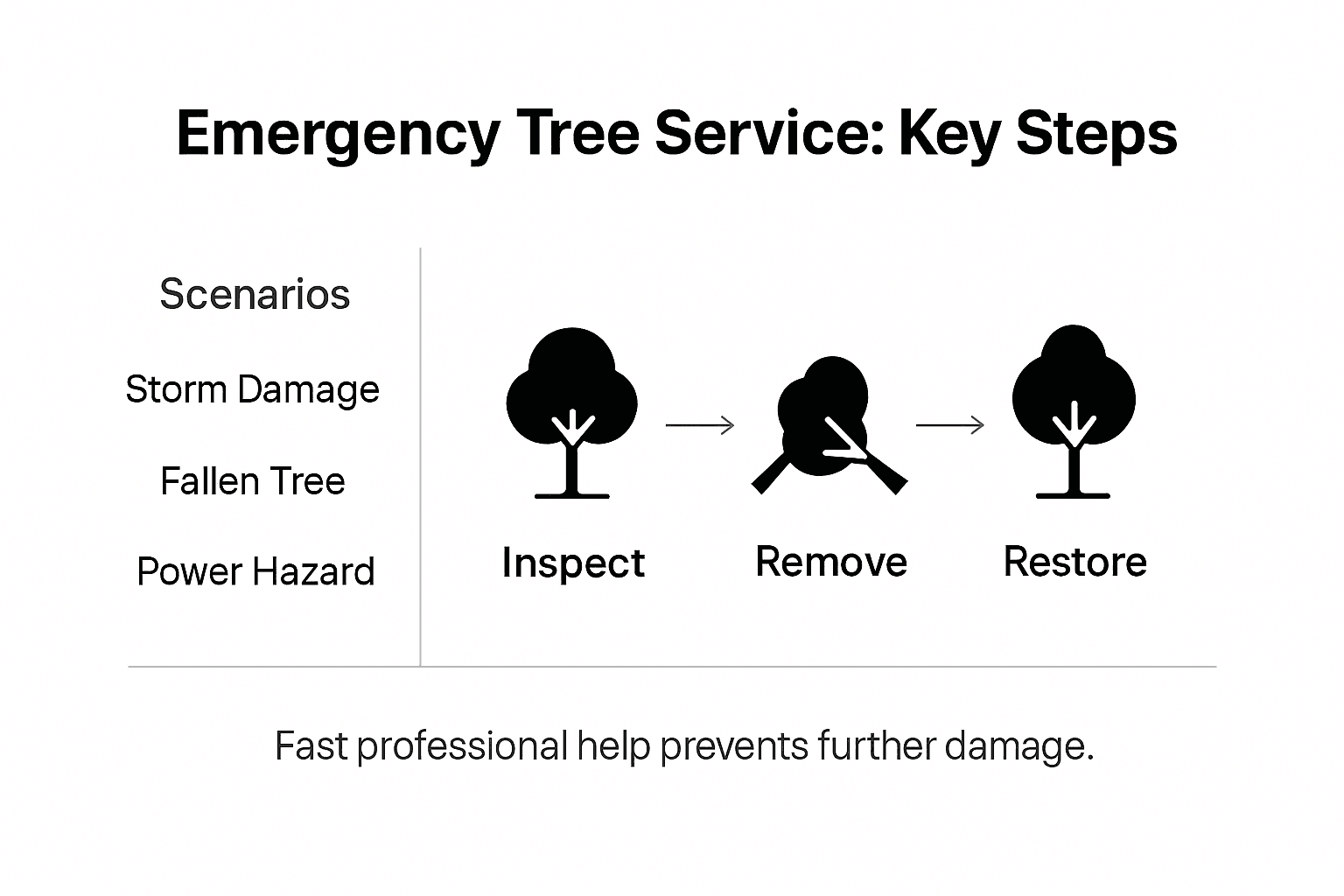
Emergency tree services represent specialized professional interventions designed to address urgent tree-related safety hazards and structural risks in residential and commercial properties across Central Florida. Unlike standard tree maintenance, these services focus on immediate response to situations that pose potential danger to people, structures, or surrounding landscapes. Professional tree care standards define emergency services as critical interventions that require rapid assessment and strategic resolution.
Common misconceptions about emergency tree services often stem from limited understanding of professional arborist practices. Homeowners frequently misunderstand that emergency tree care is not simply about rapid removal, but involves complex technical evaluation and strategic preservation techniques. Some believe that any tree damage requires complete removal, when in reality, skilled arborists can often stabilize, repair, or partially trim trees to restore their structural integrity and health.
The scope of emergency tree services encompasses multiple critical scenarios, including storm damage assessment, hazardous limb removal, structural risk evaluation, and immediate tree stabilization. Certified arborists utilize specialized equipment and scientific methodologies to determine the most appropriate intervention strategy. This approach goes beyond visual inspection, involving sophisticated techniques to assess tree health, potential structural weaknesses, and potential risks to surrounding property.
Pro tip: Always request certification and insurance documentation from emergency tree service professionals before allowing any interventions on your property.
Types of Emergency Tree Situations in Florida
Florida’s unique climate and weather patterns create numerous scenarios that demand urgent tree emergency services. Emergency tree situations frequently emerge during intense tropical storms and hurricanes, where powerful winds, sudden flooding, and extreme weather conditions can rapidly transform stable trees into potential hazards. These critical moments require immediate professional intervention to prevent property damage and ensure public safety.
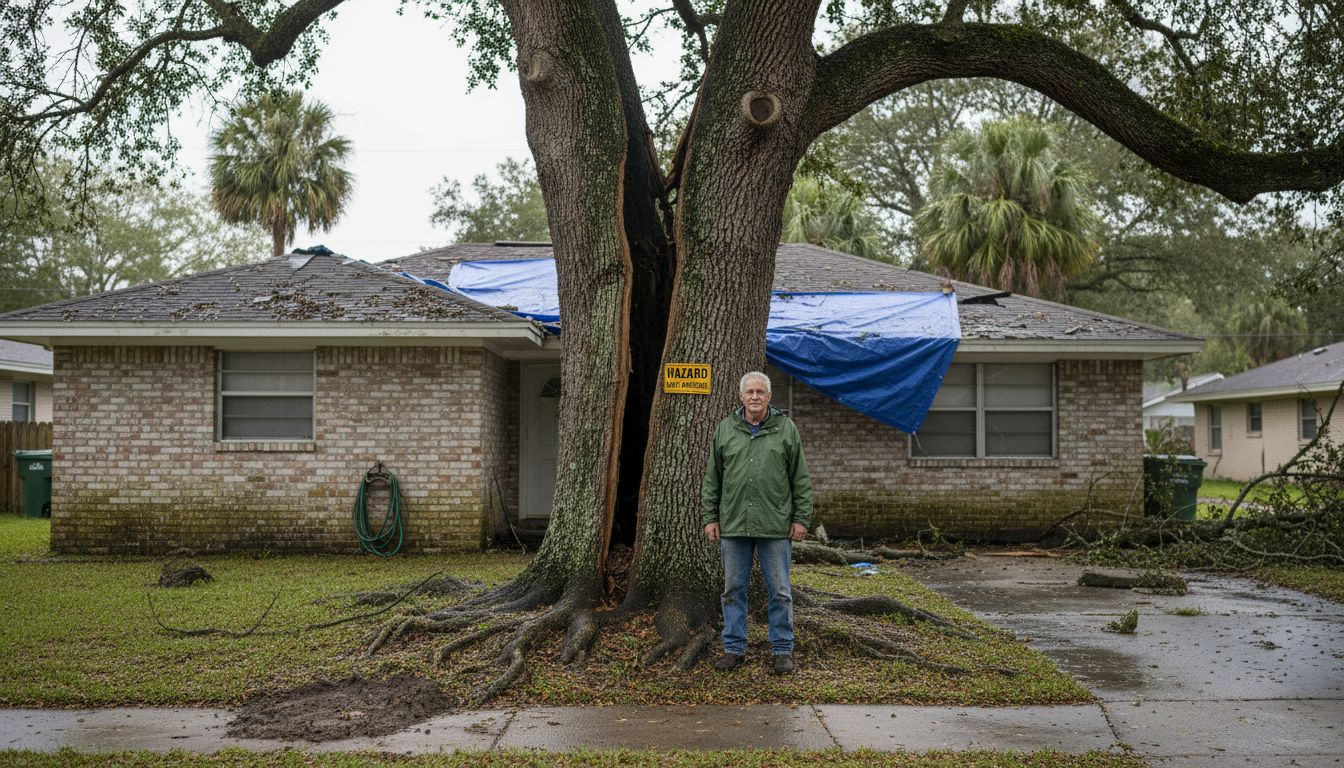
Specific emergency tree situations in Florida typically include several high-risk scenarios. Storm-damaged trees with compromised structural integrity pose significant risks, particularly those with partially broken limbs, split trunks, or roots exposed by flooding. Diseased or dying trees are another critical concern, as weakened tree structures can unexpectedly collapse, potentially damaging nearby buildings, vehicles, or causing personal injury. Additionally, trees near power lines, residential structures, or in public spaces require immediate professional assessment when they show signs of potential failure.
Understanding the legal framework is crucial for homeowners and property managers. Florida statutes provide specific guidelines for emergency tree removal, recognizing that certain situations demand rapid intervention without extensive bureaucratic processes. These situations include trees that present imminent danger to people or property, trees blocking critical infrastructure like roads or emergency access routes, and those posing risks during declared emergency situations such as hurricane warnings.
Here’s a summary of common emergency tree situations in Florida and the risks involved:
| Situation Type | Description | Main Risks | Urgency Level |
|---|---|---|---|
| Storm Damage | Trees weakened by hurricanes or flooding | Collapse, property loss | Very high |
| Disease/Decay | Trees suffering from illness or rot | Sudden failure | High |
| Proximity to Infrastructure | Trees near power lines or roads | Outages, blockage | Immediate |
| Exposed Roots | Soil erosion revealing root systems | Toppling, injury | Moderate to high |
Pro tip: Photograph tree damage immediately after a storm and document its condition to support potential insurance claims and expedite emergency tree service responses.
Certified Arborists and Rapid Response Protocols
Certified Arborists represent the highest level of professional expertise in tree care and emergency management. Professional arborists undergo rigorous training and comprehensive examinations to ensure they can effectively diagnose, assess, and respond to complex tree-related emergencies. Their specialized credentials from the International Society of Arboriculture (ISA) demonstrate advanced knowledge in tree biology, structural assessment, and critical intervention techniques that go far beyond basic tree maintenance.
Rapid response protocols for certified arborists involve a systematic approach to emergency tree situations. These professionals are trained to quickly evaluate potential risks, prioritize dangerous tree conditions, and implement immediate mitigation strategies. Their assessment process includes examining tree structural integrity, identifying potential failure points, and determining the most appropriate intervention method whether that involves partial removal, complete tree extraction, or emergency stabilization techniques. The goal is always to maximize public safety while preserving tree health whenever possible.
In Central Florida, certified arborists play a critical role in managing the unique challenges posed by extreme weather conditions. Their comprehensive training enables precise risk evaluation during hurricane seasons, tropical storms, and other environmental stress events. These professionals utilize specialized equipment, advanced diagnostic tools, and comprehensive knowledge of regional tree species to provide rapid, scientifically-informed emergency responses that protect both property and landscape ecosystems.
Pro tip: Always verify an arborist’s current ISA certification and ask to see their professional credentials before hiring them for emergency tree services.
Compare certified arborists and unqualified providers in emergency situations:
| Criteria | Certified Arborist | Unqualified Provider |
|---|---|---|
| Training | Extensive ISA certification | Limited or none |
| Risk Assessment | Scientific, methodical | Often superficial |
| Insurance Coverage | Comprehensive liability | Frequently inadequate |
| Response Quality | Strategic, preserves trees | May cause further damage |
Legal, Insurance, and Safety Requirements
Emergency tree services in Central Florida operate within a complex legal framework that balances property rights with public safety considerations. Florida statutes provide specific guidelines for tree removal during emergency situations, outlining the conditions under which homeowners and property managers can legally intervene without extensive bureaucratic delays. These regulations recognize the critical nature of rapid response when trees pose immediate risks to people, structures, or critical infrastructure.
Insurance requirements play a crucial role in emergency tree services, with professional arborists required to maintain comprehensive liability coverage that protects both property owners and service providers. Local preservation programs enforce strict regulations governing tree removal, including mandatory licensing, proper documentation, and adherence to safety protocols. These requirements ensure that emergency interventions are conducted professionally, minimizing potential additional damage and protecting the broader environmental ecosystem.
Safety protocols for emergency tree services extend beyond legal compliance, encompassing comprehensive risk assessment, specialized equipment usage, and strict operational guidelines. Certified professionals must evaluate potential hazards, implement appropriate safety measures, and follow industry-standard procedures that protect workers, property owners, and surrounding environments. This includes detailed documentation of tree conditions, photographic evidence, and systematic approaches to mitigating immediate and potential risks associated with damaged or unstable trees.
Pro tip: Always request proof of insurance and certification from emergency tree service providers, and ensure they provide a detailed written assessment of the tree removal plan before beginning work.
Financial Implications and Common Pitfalls
Emergency tree services represent a significant financial consideration for Central Florida property owners, with costs extending far beyond simple tree removal. Financial risks associated with emergency tree interventions can escalate quickly when property owners delay or mismanage potential hazards. The potential expenses include not just the immediate removal costs, but also potential liability for property damage, personal injury, and subsequent landscape restoration.
Common financial pitfalls in emergency tree services often stem from poor decision-making and inadequate risk assessment. Homeowners frequently underestimate the complexity of tree emergency situations, choosing unqualified providers or attempting DIY solutions that can dramatically increase overall expenses. These misguided approaches can lead to additional structural damage, incomplete tree removal, and potential legal complications that far exceed the initial emergency service costs. Professional certified arborists provide comprehensive assessments that can actually save money by preventing long-term damage and implementing strategic intervention techniques.
Emergency management systems face significant challenges in resource allocation and coordinating efficient response strategies, which directly impact the financial landscape of tree emergency services. Inefficient processes can create substantial economic burdens for both service providers and property owners. Smart property owners mitigate these risks by maintaining comprehensive insurance coverage, establishing relationships with certified emergency tree service professionals, and proactively managing potential tree-related risks before they escalate into costly emergencies.
Pro tip: Maintain an emergency tree service fund and schedule annual professional tree assessments to identify potential risks before they become expensive, urgent problems.
Expert Emergency Tree Services You Can Trust in Central Florida
Emergencies involving storm-damaged or hazardous trees require immediate and knowledgeable action. As the article highlights, rapid response from certified arborists is crucial to safely assess risks and prevent property damage or personal injury. McCullough Tree Service offers professional emergency interventions designed to address these urgent tree care challenges with precision and care. We provide comprehensive solutions including storm damage cleanup, hazardous limb removal, and quick stabilization to protect your home or business.
Protect your property and ensure safety by choosing the trusted experts at McCullough Tree Service. Visit our main site to learn about our licensed and insured emergency tree services. For a thorough tree health assessment or immediate response after severe weather, contact us today. Dont wait until a small problem becomes costly damage. Act now and secure peace of mind with professional care tailored to Central Floridas unique conditions.
Frequently Asked Questions
What are emergency tree services?
Emergency tree services are specialized interventions for urgent tree-related hazards that could threaten safety or property. These services include storm damage assessment, hazardous limb removal, and tree stabilization.
When should I call for emergency tree services?
You should call for emergency tree services if you encounter storm-damaged trees, trees with exposed roots, or any tree that poses a risk to people or property, especially in extreme weather conditions.
How do certified arborists assess tree emergencies?
Certified arborists use scientific methodologies and specialized equipment to evaluate tree health, structural integrity, and potential risks. They conduct thorough assessments beyond just visual inspections to determine the best intervention strategies.
What are the financial implications of emergency tree services?
Emergency tree services can be costly, with expenses potentially escalating if issues are delayed or mismanaged. It’s advisable to maintain insurance coverage and establish relationships with certified professionals to mitigate financial risks.
Recommended
- Tree Removal Maitland FL
- Tree Removal Orlando FL
- Tree Service DeBary FL
- Be smart heading into storm season with Florida trees – McCullough Tree Service