By: Shelby McCullough| Published: January 24, 2026
Keeping trees healthy and beautiful in Orlando means more than an occasional trim. For many homeowners, the real challenge is managing the risks trees pose to their homes while protecting tree health for years to come. Certified arborists bring proven expertise and follow industry-approved standards, making them your best resource for safe, effective tree maintenance that supports both safety and curb appeal. Discover what proper care really means for your Florida trees.
Table of Contents
- What Tree Maintenance Means For Homeowners
- Types Of Tree Maintenance Services Explained
- Certified Arborist Role And Qualifications
- Benefits For Tree Health, Safety, And Aesthetics
- Legal Requirements And Safety Standards In Florida
- Costs, Common Risks, And Avoidable Mistakes
Key Takeaways
| Point | Details |
|---|---|
| Importance of Tree Maintenance | Regular tree maintenance protects property and enhances tree health, making it essential for homeowners in Orlando. |
| Role of Certified Arborists | Hiring certified arborists ensures expertise in tree care, helping to prevent potential hazards and health issues. |
| Legal Requirements | Understanding local tree regulations is crucial to avoid fines and ensure safe tree work. |
| Cost of Neglecting Maintenance | Proactive maintenance reduces long-term costs compared to dealing with emergencies caused by neglect. |
What Tree Maintenance Means for Homeowners
Tree maintenance isn’t just about keeping your yard neat. It’s about protecting your property, your family, and your trees themselves. For Orlando homeowners, tree maintenance encompasses a range of practices that directly impact how long your trees live, how healthy they grow, and whether they pose a safety risk to your home. Think of it like healthcare for your trees. Just as you wouldn’t skip dental checkups or annual physicals, your landscape needs consistent care to thrive in Florida’s unique climate.
At its core, tree maintenance includes pruning and managing risks around utilities, buildings, and structures on your property. This means removing dead branches that could fall during a storm, clearing limbs growing toward your roof or power lines, and shaping trees so they develop strong branch structure. When branches rub against your house during wind, they cause damage. When they hang over your gutters, they create drainage problems. When they touch electrical lines, they become hazards. Proper maintenance stops these issues before they start. It also means assessing your trees for disease, pest damage, or structural weakness that might require professional intervention. A certified arborist can identify problems you’d never spot from ground level.
What makes maintenance different from removal is the goal. Removal is final, but maintenance preserves your trees while addressing legitimate concerns. Pruning techniques and proper care help homeowners understand their trees’ health needs, from how to avoid damage during trimming to recognizing when a tree is actually thriving versus struggling. Trees improve air quality, reduce heat around your home, add real estate value, and provide shade that lowers cooling costs. In Orlando’s hot climate, a mature shade tree can make a measurable difference in your comfort and utility bills. Maintaining those trees keeps those benefits flowing year after year.
For many Orlando homeowners, maintenance also means understanding seasonal needs. Summer storms require different care than winter. New plantings need different attention than established trees. Your live oaks, crape myrtles, and palms all have different requirements. That’s where working with experienced professionals makes sense. They know what Orlando trees need, what our climate throws at them, and how to keep them healthy without compromising safety.
Pro tip: Schedule a professional tree health assessment before hurricane season hits each year so you can address weak branches or structural issues before storms arrive.
Types of Tree Maintenance Services Explained
Tree maintenance isn’t one-size-fits-all. Different trees need different care, and different situations call for different approaches. Understanding the main types of services available helps you know what your Orlando property actually needs and why a professional might recommend specific work. When you call a tree service, knowing the difference between these services means you’re not paying for unnecessary work or missing critical care your trees require.
Pruning and trimming form the backbone of most tree maintenance work. Pruning removes dead, diseased, or crossing branches to improve tree structure and health. Trimming shapes the tree for aesthetic reasons and to clear sight lines or prevent branches from hitting your roof and gutters. Professional tree trimming delivers long-term benefits by removing hazardous growth before problems develop. Beyond these basics, professional services include thinning (removing interior branches to allow light penetration), crown raising (removing lower branches for clearance), and crown reduction (reducing overall tree size safely). Industry standards guide how professionals perform these services to maximize tree health while minimizing stress and risk.
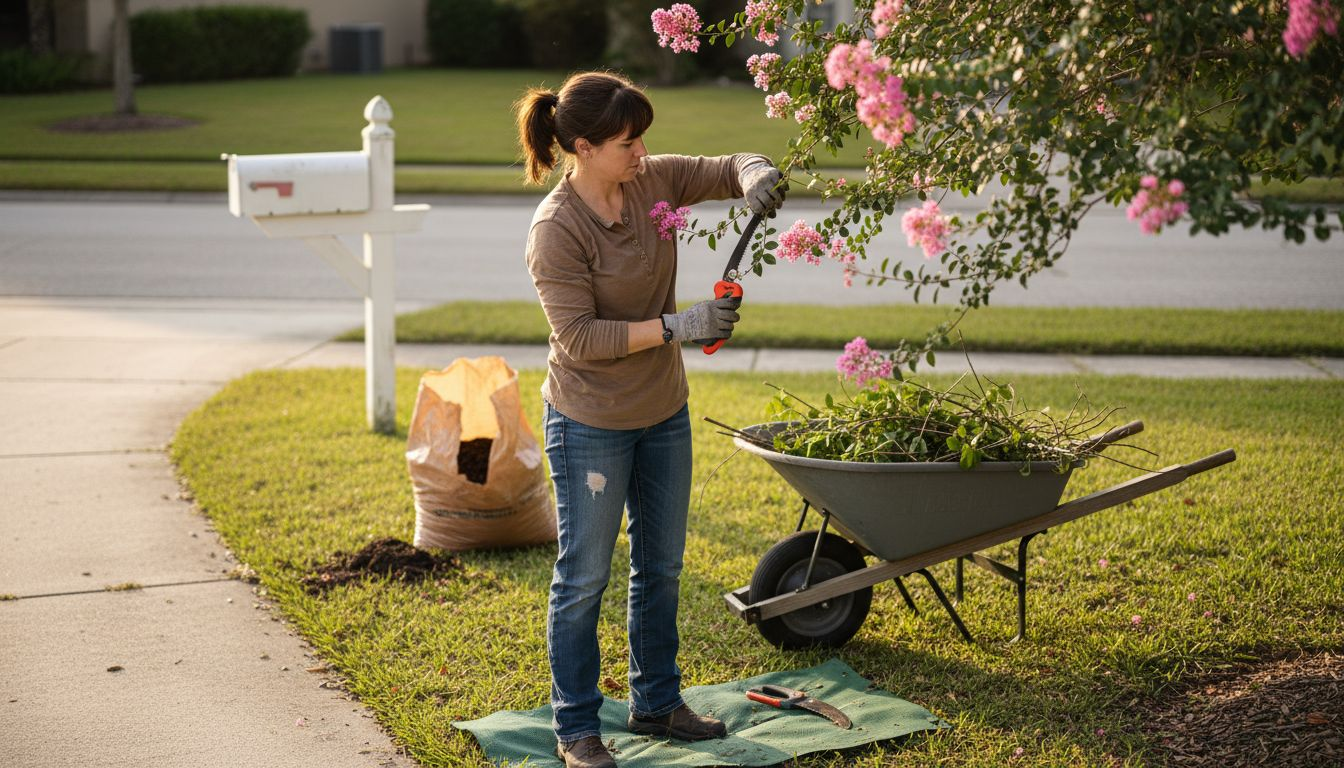
Other critical maintenance services address specific problems. Root pruning manages aggressive roots damaging sidewalks or drainage systems. Pest management and fertilization keep trees healthy and resistant to Florida’s insects and diseases. Cable bracing stabilizes weak branch unions or leaning trees without removing them. Storm cleanup removes fallen branches and assesses damage after hurricanes. Some properties need tree removal when a tree is dead, diseased beyond recovery, or poses an unmanageable safety risk. Tree care encompasses pruning, trimming, felling, and specialized work that addresses structural concerns and prevents hazards.
The key is matching services to your actual situation. A young crepe myrtle might need formative pruning to develop good structure. A mature oak might need crown thinning to reduce storm wind resistance. A palm with disease requires different intervention than a healthy specimen. Orlando’s year-round growing season means trees can need attention at different times than trees in colder climates. Working with certified arborists ensures you’re getting services your trees actually need, not just work that keeps equipment busy.
Here’s a summary comparing key tree maintenance services for Orlando homeowners:
| Service Type | Primary Purpose | Typical Application | Special Considerations |
|---|---|---|---|
| Pruning | Remove dead/diseased branches | Routine health and safety | Requires proper technique |
| Thinning | Increase light and air flow | Mature shade trees | Reduces storm wind resistance |
| Crown Raising | Clear space below canopy | Driveways, sidewalks | Avoid excessive removal |
| Root Pruning | Control root spread | Near foundations, pavement | Prevents damage to structures |
| Cable Bracing | Stabilize weak branches/unions | Leaning or split trees | Needs inspection by arborist |
| Storm Cleanup | Remove fallen/damaged branches | Post-hurricane or storm | Rapid assessment needed |
Pro tip: Get a professional tree assessment before accepting any service recommendations so you understand what problems exist and why specific work is necessary for your property.
Certified Arborist Role and Qualifications
Not all tree service companies are created equal. The difference between someone with a chainsaw and a certified arborist is the difference between a quick fix and a solution that protects your trees long-term. A certified arborist is a trained professional who understands tree biology, recognizes diseases, knows proper pruning techniques, and can assess safety risks that untrained eyes miss. For Orlando homeowners, hiring someone with actual credentials means your trees get care based on science, not guesswork.
Certified arborists are credentialed by the International Society of Arboriculture after passing a rigorous exam that tests knowledge across multiple areas. The certification process requires demonstrating expertise in tree biology, maintenance practices, safety protocols, and disease diagnosis. To earn ISA certification, arborists must also meet specific experience requirements and adhere to a strict code of ethics. This isn’t a rubber stamp certification. The exam covers everything from identifying what’s wrong with a tree to understanding how it grows, how to safely remove it if necessary, and how to prune without causing permanent damage. Orlando’s unique climate and pest pressures mean certified arborists in this region need specialized knowledge about live oaks, crape myrtles, palms, and native species.
What you get when you hire a certified arborist goes beyond just technical knowledge. Arborists diagnose diseases, assess tree health, and manage risks using specialized equipment and evidence-based practices. They can spot early signs of disease you wouldn’t notice. They understand how to structure a pruning plan that improves tree form over years, not just removes branches today. They know when a tree should be saved versus removed. They can explain why specific work is necessary and what it accomplishes. More importantly, they carry insurance, follow safety standards, and work within building codes. When something goes wrong during tree work, an uninsured crew leaves you liable for damages. A certified arborist carries liability coverage.
Beyond credentials, experience matters. An arborist with years of work in Central Florida understands our weather patterns, soil conditions, and the specific trees that thrive here. They’ve seen hurricane damage patterns, know how trees recover from storms, and understand what aftercare prevents secondary problems. Your certification matters because it proves knowledge. Your arborist’s experience in Orlando matters because it proves judgment.
Pro tip: Always ask for proof of ISA certification and current liability insurance before hiring anyone to work on your trees, and verify their credentials directly with the International Society of Arboriculture.
Benefits for Tree Health, Safety, and Aesthetics
Proper tree maintenance delivers three measurable outcomes that directly impact your property value, safety, and quality of life. When you invest in regular care, you’re not just spending money on yard work. You’re protecting a living asset, reducing liability risks, and creating a landscape that makes your home more enjoyable. Understanding these benefits helps explain why certified arborists recommend specific maintenance schedules and why skipping care creates problems down the line.
Healthy trees start with proper maintenance. Removing dead or diseased branches stops problems from spreading and gives the tree resources to focus on new growth. Tree maintenance removes hazardous branches and strengthens overall structure, making trees less likely to fail during storms. Regular pruning improves air circulation through the canopy, reducing fungal diseases common in Florida’s humid climate. It removes crossing branches that would rub and create wounds. It shapes the tree’s growth pattern so it develops strong branch angles instead of weak unions that split in wind. A well-maintained tree lives longer, stays healthier, and requires fewer emergency interventions. That’s not just better for the tree. It’s better for your wallet because healthy trees don’t need removal or major corrective work.
Safety is the second major benefit, and honestly, it’s the reason most Orlando homeowners call a tree service. Dead branches hanging over your roof, gutters, or deck aren’t just unsightly. They’re potential weapons waiting for the next wind gust. Branches touching power lines create fire hazards and electrical dangers. Weak limbs can fail without warning and injure someone or damage your home. Well-maintained trees provide environmental and safety benefits by eliminating hazards while preserving tree longevity. Professional pruning removes these risks before they become emergencies. After storms, certified assessment identifies damage you can’t see from the ground. Smart maintenance catches problems early when they’re easy to address.
Aesthetically, maintained trees transform your property. Proper pruning shapes trees to their natural form, making them look fuller and healthier. It opens views to your home, improves curb appeal, and can increase perceived property value. Well-spaced branches allow light through the canopy, benefiting both the tree and your landscape below. Consistent maintenance means your trees look intentional, cared for, and professional. Neglected trees look like hazards waiting to happen. In Orlando’s competitive real estate market, landscape aesthetics matter. Healthy, well-maintained trees signal that a property is cared for and worth investigating further.
Pro tip: Schedule tree maintenance before hurricane season, not after, so you address weak structure and hazardous branches before storms test their strength.
Legal Requirements and Safety Standards in Florida
Florida isn’t like other states when it comes to trees. The state has specific laws governing what you can and cannot do with trees on your property, and these regulations exist for good reason. Understanding what’s legally required protects you from fines, prevents disputes with neighbors, and ensures tree work is done safely. Many Orlando homeowners don’t realize that removing a tree without a permit or hiring an unlicensed crew can create legal liability. Knowing the basics keeps you compliant and protects your investment.
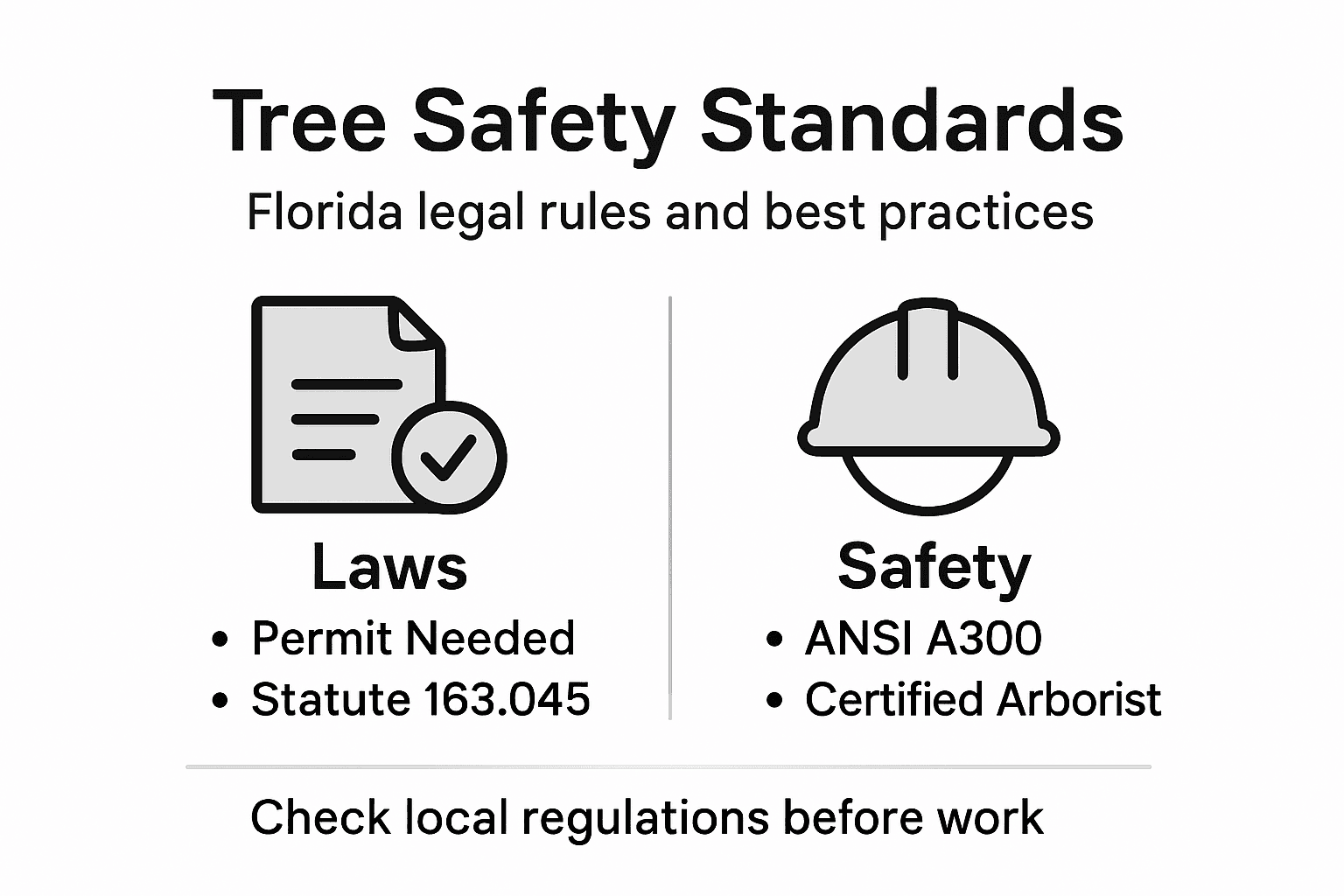
Florida Statute 163.045 regulates tree removal and maintenance to protect both trees and property owner rights. The law requires that certain tree removals obtain municipal permits before work begins. Local ordinances vary by jurisdiction, but generally, larger trees or protected species require approval. Orange County and the City of Orlando have specific tree protection ordinances that homeowners must follow. The rules emphasize responsible tree care and encourage consultation with certified arborists before major work. Violating these requirements can result in fines, forced restoration of removed trees, or legal action from the municipality. The intent isn’t to prevent you from managing your property. It’s to ensure decisions are made responsibly, with expert input when necessary.
Beyond legal permits, professional tree work must follow safety standards. ANSI A300 Tree Care Standards establish safety guidelines for pruning, fertilization, pest management, and other maintenance activities. These standards protect workers from injury and protect your property from damage during service. A certified arborist working to ANSI A300 standards knows how to prune without creating wounds that invite disease. They know how to assess trees safely without climbing into hazardous positions. They understand liability and carry appropriate insurance. When you hire someone who doesn’t follow these standards, you’re assuming the risk if something goes wrong. An uninsured worker injured on your property could sue you. A tree pruned incorrectly might fail during the next storm. These aren’t theoretical risks. They happen regularly to homeowners who tried to save money by hiring unlicensed or uninsured crews.
The practical takeaway is straightforward. Before removing a tree or doing major maintenance work, check with your city or county about permit requirements. Always hire licensed, insured professionals who follow industry standards. Ask for proof of certification and liability coverage. A few minutes of due diligence prevents expensive legal and safety problems later. Florida’s tree laws exist to protect both trees and property owners. Working within them actually protects your interests.
Pro tip: Contact your local city or county arborist or building department before hiring anyone to remove or significantly prune a tree, as many municipalities require permits and some trees are protected by law.
Costs, Common Risks, and Avoidable Mistakes
Tree maintenance costs money. There’s no way around it. What surprises most Orlando homeowners is that proper maintenance actually costs less than dealing with problems created by neglect or poor decisions. Understanding typical costs, recognizing common risks, and knowing which mistakes to avoid helps you make smart choices that protect your investment. The cheapest option upfront often becomes the most expensive option by year three.
Costs vary based on tree size, type of work needed, and your location within Central Florida. Basic pruning for a medium tree might run 300 to 600 dollars. Removing a large tree can cost 1000 to 3000 dollars depending on accessibility and complexity. Crown thinning, cable bracing, and specialized work cost more than simple pruning. The good news is that proper planning and preventive care reduce long-term maintenance costs. A tree that receives regular maintenance stays healthier, lives longer, and rarely requires expensive emergency removal. A neglected tree often needs major corrective work or complete removal. Over a decade, consistent preventive care costs less than dealing with emergencies.
Common mistakes create preventable risks. One major error is topping trees, cutting main branches back to stubs. Topping destroys tree structure, invites disease, creates weak regrowth, and actually increases hazard risk. Another mistake is over-pruning, removing too many branches and stressing the tree. Improper pruning techniques that leave large wounds or create bark damage invite pest infestation and disease. Many homeowners also fail to identify hazard trees or structural defects until they cause damage. Regular risk assessments by certified arborists help identify problems early before they become emergencies. Root damage during construction, soil compaction from heavy equipment, and damage to lower branches during storms are other common issues that could have been prevented with proper planning.
Additional risks include hiring unlicensed or uninsured crews. The lowest bid often comes from someone operating without proper credentials or insurance. When something goes wrong, you’re liable. An uninsured worker injured on your property can sue you personally. A tree damaged during improper removal might fall on your neighbor’s house, making you responsible. Professional tree services carry liability insurance, workers compensation, and proper licensing for good reason. These protections cost money but prevent catastrophic financial exposure.
Another avoidable mistake is unnecessary removal. Some homeowners remove healthy trees out of fear or convenience. Once removed, a mature tree takes decades to replace. Before removing any tree, get a professional assessment. Many trees that seem problematic can be saved and managed. Conservation is almost always cheaper than removal plus replanting.
Below is a table outlining common homeowner tree maintenance mistakes and their lasting impact:
| Mistake | Consequence | Prevention Strategy |
|---|---|---|
| Topping trees | Weak regrowth, increased risk | Expert pruning, avoid topping |
| Over-pruning | Stress, poor tree health | Follow ANSI A300 guidelines |
| Ignoring permits | Legal liability, fines | Verify local regulations |
| Hiring uninsured crew | Risk of lawsuits, property loss | Ask for proof of insurance |
Pro tip: Get a professional risk assessment before hiring anyone, and always ask for proof of insurance and licensing to protect yourself from liability if something goes wrong during the work.
Protect Your Orlando Property with Expert Tree Maintenance from McCullough Tree Service
Understanding the vital role tree maintenance plays in enhancing your Orlando property means addressing safety risks, preserving tree health, and improving aesthetics. If you are concerned about dead branches threatening your home or want to ensure your trees thrive in Central Florida’s climate, McCullough Tree Service offers certified arborist expertise tailored to these exact challenges. Our skilled team handles everything from professional tree trimming and health assessments to storm cleanup, helping you avoid costly mistakes like improper pruning or topping.
Don’t wait until hurricane season or signs of tree damage put your family and investment at risk. Take action now by partnering with a licensed and insured company that follows industry standards and values your property’s long-term wellbeing. Visit McCullough Tree Service to explore how our tree trimming and maintenance solutions safeguard your landscape today. Schedule your professional tree health assessment and enjoy peace of mind knowing your trees are in expert hands.
Frequently Asked Questions
What are the key benefits of regular tree maintenance?
Regular tree maintenance improves tree health, enhances safety by removing hazardous branches, and boosts the aesthetic appeal of your property. Healthy trees also contribute to air quality and can lower your utility bills.
How does tree pruning affect tree health?
Tree pruning removes dead or diseased branches, allowing the tree to focus its energy on new growth. Proper pruning also improves air circulation and sunlight penetration, reducing the risk of fungal diseases.
What should I consider before hiring a tree service?
Before hiring a tree service, ensure they have certified arborists and proper insurance. Ask for proof of ISA certification and liability coverage to avoid potential legal and financial issues.
How can I tell if my tree needs maintenance?
Signs that your tree needs maintenance include dead or diseased branches, excessive growth towards power lines or structures, and structural weaknesses. Regular assessments by a certified arborist can help identify these issues before they become critical.
Recommended
- 7 Essential Tree Care Tips 2025 for Orlando Homeowners
- Why Regular Tree Trimming Matters in Orlando
- Role of Tree Removal in Orlando Landscaping
- Trees Boosts Property Value: Enhance Your Home’s Worth
- Tree Service Orlando FL
- Tree Service Winter Springs FL