By: Shelby McCullough| Published: February 14, 2026
Every Florida homeowner knows that thriving trees do more than beautify a yard—they help shield your property when hurricanes and summer storms blow through. Caring for trees in Central Florida means more than just appearances. Addressing risks, strengthening storm resilience, and preserving long-term health all start with a strategic approach. In this guide, you will discover property assessment and safety-first methods that protect your investment and create a safer, more beautiful outdoor space.
Table of Contents
- Step 1: Assess Property and Tree Needs
- Step 2: Prepare Tools and Safety Gear
- Step 3: Prune and Trim Trees Carefully
- Step 4: Inspect for Health or Storm Damage
- Step 5: Clear Debris and Finish Cleanup
Quick Summary
| Key Point | Explanation |
|---|---|
| 1. Conduct a thorough tree assessment | Evaluate structural integrity, health, and risks by visually inspecting each tree and documenting findings for future reference. |
| 2. Prepare safety gear and tools | Gather essential protective equipment and maintain high-quality tools for effective and safe tree care work. |
| 3. Prune trees strategically | Use proper techniques and timing to prune trees, focusing on removing dead or diseased branches to promote health. |
| 4. Inspect for storm damage | Check trees after storms for structural integrity and health issues, addressing risks early to prevent further damage. |
| 5. Clear debris properly | Follow eco-friendly practices when clearing debris and protect soil and root zones during cleanup to maintain landscape health. |
Step 1: Assess Property and Tree Needs
Evaluating your Orlando property’s tree landscape starts with a comprehensive and strategic assessment. This critical first step determines the health, potential risks, and maintenance requirements for your trees, setting the foundation for effective tree care in 2025.
Begin by conducting a thorough visual inspection of your property, focusing on several key factors. Periodic tree risk assessments help identify potential hazards and preserve tree health. Look for these critical indicators:
- Structural integrity of tree trunk and branches
- Signs of disease or pest infestation
- Root system stability and potential underground damage
- Proximity of trees to structures, power lines, and other landscape features
Analyzing your property’s unique characteristics is equally important. Factors like soil composition, sunlight exposure, drainage patterns, and microclimatic conditions will significantly influence tree health and survival. Assessing site characteristics helps you understand the ecological context of your landscape.
Knowing your property’s specific conditions is the first step toward creating a resilient and thriving tree ecosystem.
When performing your assessment, document everything meticulously. Take photographs, note measurements, and record observations about each tree’s condition. This documentation will serve as a baseline for future comparisons and help track your trees’ health progression over time.
Here’s a quick reference on common tree assessment findings and recommended actions in Orlando:
| Assessment Finding | Typical Cause | Recommended Action |
|---|---|---|
| Cracked bark | Storm damage or rapid growth | Monitor closely and prune if worsening |
| Discolored leaves | Nutrient deficiency or disease | Test soil, treat or fertilize as needed |
| Dead branches | Pest infestation or old age | Prune affected branches promptly |
| Exposed roots | Erosion or heavy foot traffic | Add mulch and limit disturbance |
Pro tip: Consider scheduling a professional arborist assessment annually to supplement your own inspections and catch potential issues early.
Step 2: Prepare Tools and Safety Gear
Preparing the right tools and safety equipment is crucial for effective and safe tree care in Orlando. This step ensures you have everything necessary to protect yourself and perform precise, professional-grade maintenance on your property’s trees.
Start by gathering essential tree care safety equipment before beginning any work. Your safety gear should include:
- High-quality protective helmet with face shield
- Cut-resistant gloves
- Safety glasses or protective eyewear
- Steel-toed work boots
- Hearing protection
- Chainsaw chaps or protective leg coverings
For tools, select high-quality, well-maintained equipment appropriate to your specific tree care tasks. Inspect each tool carefully for signs of wear, damage, or potential malfunction. Proper tool maintenance reduces the risk of accidents and ensures optimal performance.
Professional tree care requires meticulous preparation and respect for safety protocols.
Each tool serves a specific purpose in tree maintenance. Pruning shears work best for smaller branches, while chainsaws handle larger cutting tasks. Ensure all cutting tools are sharp, clean, and correctly adjusted before use. Selecting appropriate safety gear protects you from potential injuries during complex tree care operations.
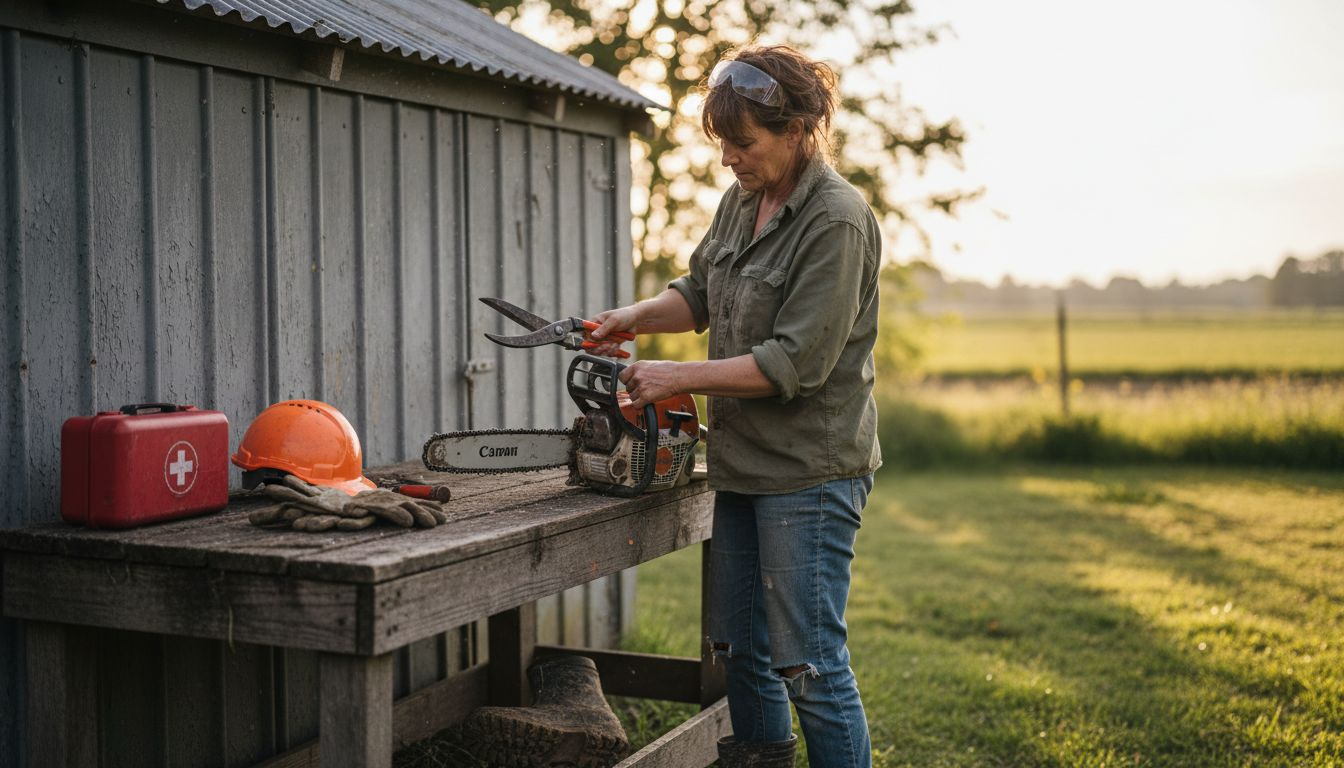
Pro tip: Invest in quality safety equipment and replace items showing any signs of wear to maintain maximum protection during tree maintenance.
Compare the pros and cons of DIY vs. professional tree care:
| Approach | Benefits | Limitations |
|---|---|---|
| DIY Tree Care | Cost-effective, flexible timing | Skill-dependent, equipment limitations |
| Professional Arborist | Expert diagnosis, safety assured | Higher cost, scheduling required |
Step 3: Prune and Trim Trees Carefully
Pruning and trimming are critical techniques for maintaining healthy trees in Orlando’s unique climate. This step requires precision, knowledge, and careful execution to promote tree growth and prevent potential damage to your landscape.
Proper pruning techniques involve strategic branch removal to enhance tree structure and health. Focus on these key principles:
- Remove dead or diseased branches
- Cut branches at the correct angle near the branch collar
- Maintain the tree’s natural shape
- Avoid excessive cutting that could stress the tree
- Use clean, sharp pruning tools
Timing is crucial when pruning different tree species. Most Orlando trees benefit from pruning during their dormant season, typically late winter or early spring before new growth emerges. This minimizes stress and reduces the risk of disease transmission.
Strategic pruning protects your trees and promotes long-term landscape health.
When making cuts, always use the three-cut method to prevent bark tearing. Start with an undercut about one-third through the branch, then make a top cut slightly further out, which allows the branch to fall safely. Finally, remove the remaining stub close to the branch collar without damaging the tree’s protective tissue. Preventative tree care helps maintain tree structure and reduces potential hazards.
Pro tip: Invest in professional-grade pruning tools and learn specific techniques for different tree species to maximize your tree’s health and longevity.
Step 4: Inspect for Health or Storm Damage
Conducting a thorough tree health inspection is critical for maintaining the safety and vitality of your Orlando landscape. This step helps you identify potential risks and address tree damage before it becomes a significant problem.
Post-storm tree risk assessment requires careful examination of key tree components. Focus your inspection on these critical areas:
- Root system stability and potential underground damage
- Trunk structural integrity
- Branch and limb condition
- Crown density and leaf health
- Signs of disease or pest infestation
Visual indicators matter most when evaluating tree health. Look for warning signs such as cracked bark, fungal growth, unusual lean, or branches with significant storm damage. Discolored leaves, dead branches, and exposed root systems can signal underlying health issues that require immediate attention.
Early detection of tree damage can prevent costly removal and potential property risks.
When assessing storm damage, carefully evaluate injury extent before making removal decisions. Some damaged trees can recover with proper pruning and care, while others might pose immediate safety hazards. Pay special attention to large broken branches, split trunks, and root exposure that could compromise tree stability.
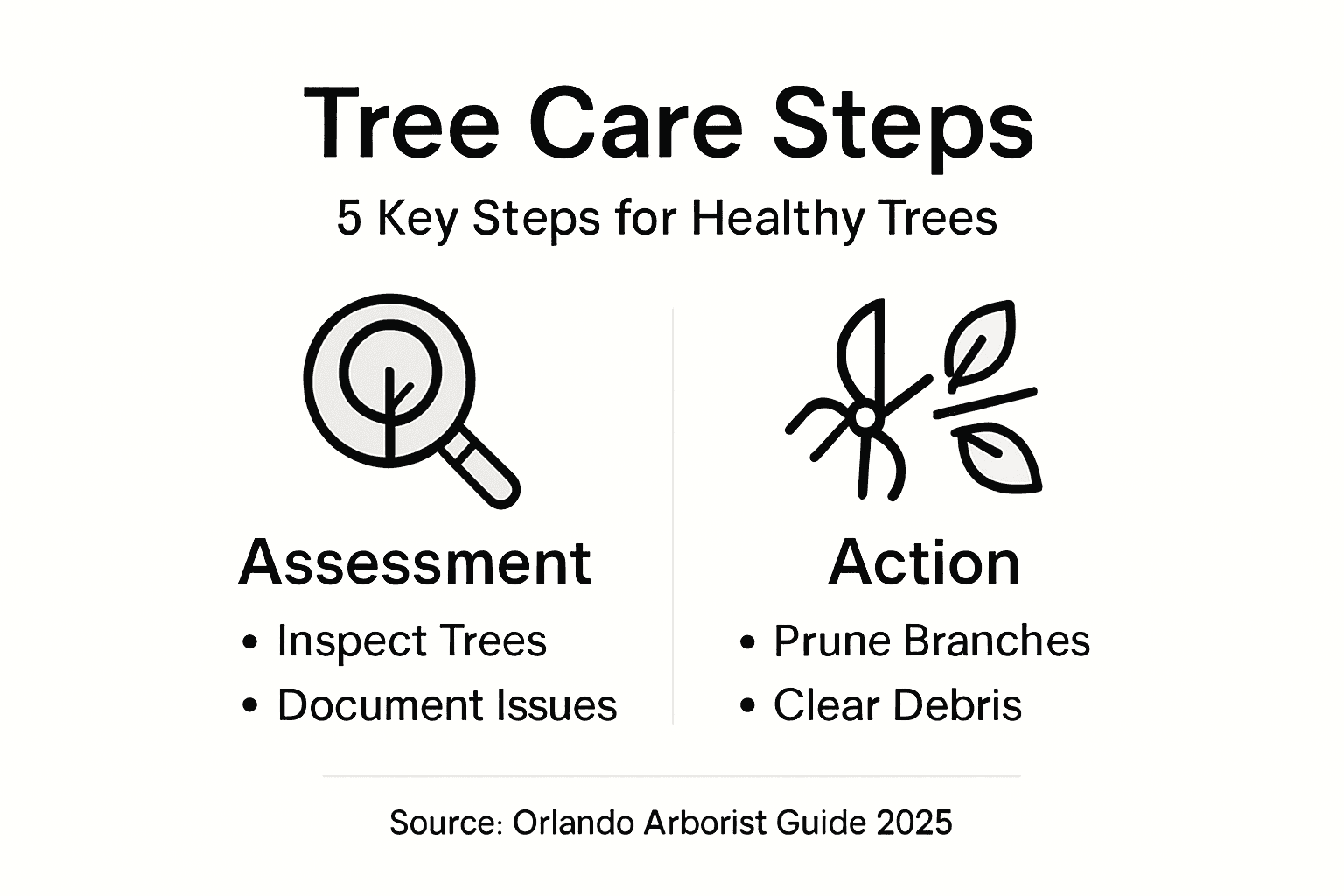
Pro tip: Take detailed photographs during your inspection to track tree health changes and provide accurate documentation for professional arborist consultations.
Step 5: Clear Debris and Finish Cleanup
Completing a comprehensive cleanup after tree care or storm damage is essential for maintaining a healthy landscape and preventing potential environmental hazards in Orlando. This final step transforms your property from a chaotic post-maintenance scene to a pristine, well-organized outdoor space.
Sustainable debris management requires a strategic and environmentally conscious approach. Follow these guidelines for efficient debris removal:
- Sort organic and inorganic materials separately
- Identify recyclable tree components
- Create designated disposal or recycling zones
- Use proper lifting techniques to prevent personal injury
- Protect remaining soil and root systems during cleanup
Systematic removal matters when clearing tree debris. Start by removing large branches and wood pieces, then progress to smaller twigs, leaves, and organic matter. Consider chipping larger wood pieces for mulch or landscape use, which can provide nutrients back to your garden ecosystem.
Effective debris management supports both property recovery and environmental sustainability.
Pay special attention to protecting soil and root zones during cleanup. Avoid compacting soil around tree bases and use lightweight equipment when possible. Minimize unnecessary disturbance to prevent potential long-term damage to your trees’ root systems.
Pro tip: Rent or borrow a wood chipper to transform larger branches into valuable mulch, saving disposal costs and benefiting your landscape.
Ensure Healthy and Safe Trees with Expert Care in Orlando
The detailed tree care process 2025 highlights the importance of thorough assessments, precise pruning techniques, and comprehensive storm damage inspections to maintain your property’s tree health and safety. If you face challenges like hidden tree risks, storm damage cleanup, or proper pruning in Orlando’s unique climate, McCullough Tree Service offers certified arborist expertise that guarantees professional and reliable solutions. We understand the critical need for safety gear, correct pruning cuts, and sustainable debris management highlighted in the article to keep your landscape thriving without risking injury or property damage.
Key benefits when choosing McCullough Tree Service:
- Licensed and certified arborists skilled in tree trimming, removal, and health assessments
- Prompt emergency storm damage response to protect your property
- Environmentally-conscious debris cleanup preserving soil and root health
Take the first step toward safer, healthier trees today.
Ready to protect your Orlando landscape with expert tree care tailored to the 2025 best practices? Visit McCullough Tree Service to schedule your comprehensive tree health assessment or emergency storm cleanup. Learn why property owners trust our licensed and experienced team for safe, effective tree maintenance by exploring our tree trimming and removal services. Do not wait until minor issues become costly problems—contact us now for a free estimate and keep your trees strong and beautiful year-round.
Frequently Asked Questions
How do I assess the health of the trees on my property in Orlando?
Start by conducting a thorough visual inspection of your trees, checking for structural integrity, signs of disease, and root stability. Document your findings with photographs and notes to track health over time.
What tools do I need for safe tree care?
You will need essential safety gear such as a protective helmet, gloves, safety glasses, and steel-toed boots. Gather high-quality pruning tools, like shears and a chainsaw, and ensure they are well-maintained and sharp before you start your work.
When is the best time to prune my trees in Orlando?
Pruning is most effective during the dormant season, typically late winter or early spring, before new growth begins. Schedule your pruning activities then to minimize tree stress and reduce the risk of disease transmission.
How can I identify storm damage in my trees?
Look for signs like cracked bark, leaning, and broken branches after storms. Conducting a detailed inspection of the trunk, branches, and root system will help you determine the extent of any damage and the necessary actions to take.
What should I do with the debris after tree maintenance?
Sort the debris into organic and inorganic materials for efficient disposal. Consider chipping large branches for mulch and ensure you protect the soil around remaining trees during the cleanup process to avoid harming their root systems.
How often should I perform tree assessments and maintenance?
Aim for annual tree assessments, ideally supplemented with seasonal inspections during significant weather changes. Regular evaluations can help catch potential issues early, allowing you to apply necessary care promptly.
Recommended
- Tree Health Assessment: Protecting Orlando Landscapes
- 7 Essential Tree Care Tips 2025 for Orlando Homeowners
- Role of Tree Maintenance: Enhancing Orlando Properties
- Tree Care Best Practices 2025—Health and Storm Safety
- Tree Service Orlando FL
- Tree Service Winter Springs FL