By: Shelby McCullough| Published: February 14, 2026
Transforming a commercial property in Central Florida often starts with more than fresh paint or manicured lawns. Effective tree planting requires detailed planning, thoughtful species selection, and ongoing care that impact both property appeal and regulatory compliance. With resources like the Florida Trees database and strict local regulations, investing in certified services means every phase—from analysis to maintenance—supports both your business goals and environmental sustainability. Discover how certified arborists and science-backed strategies lead to thriving, compliant business landscapes.
Table of Contents
- What Tree Planting Involves For Businesses
- Choosing Tree Species For Central Florida
- Florida Regulations And Arborist Standards
- Installation Best Practices For Longevity
- Costs, Liabilities, And Maintenance Needs
Key Takeaways
| Point | Details |
|---|---|
| Strategic Approach Required | Tree planting for commercial properties involves careful planning, species selection, and ongoing maintenance to enhance property value. |
| Importance of Native Species | Choosing native tree species promotes better adaptation, supports local ecosystems, and may reduce maintenance costs. |
| Regulatory Compliance | Understanding local tree protection statutes and hiring certified arborists ensures adherence to regulations and ecological sustainability. |
| Financial Planning is Essential | Proactive maintenance and budgeting for tree management can mitigate liability risks and ensure long-term landscape health. |
What Tree Planting Involves for Businesses
Tree planting for commercial properties is a strategic process that goes far beyond simply placing trees in the ground. Urban tree planting requires comprehensive planning and systematic implementation to ensure long-term success and property value enhancement.
Successful commercial tree initiatives depend on a multi-phase approach that involves detailed preparation. Successful urban tree planting strategies require careful consideration across three critical stages:
- Pre-planting site analysis
- Strategic tree installation
- Comprehensive post-planting maintenance
The site selection process demands thorough evaluation of multiple environmental factors. Commercial landscape managers must assess specific conditions including:
- Soil composition and drainage capabilities
- Available planting space
- Proximity to utility lines
- Potential environmental stressors
- Local climate requirements
Species selection represents another crucial element in commercial tree planting. Developing a strategic tree planting plan involves choosing tree varieties that can thrive in specific urban environments while meeting aesthetic and ecological goals. This means selecting trees that can withstand local temperature ranges, soil conditions, and potential urban challenges like limited root space or pollution exposure.
Maintenance represents the most critical phase of tree planting. Urban trees face significant survival challenges, with high mortality rates during the initial five years. Consistent watering, periodic pruning, and proactive health monitoring are essential to ensure tree establishment and long-term vitality.
Here is a summary comparing pre-planting, installation, and maintenance phases in commercial tree projects:
| Phase | Main Focus | Key Business Impact |
|---|---|---|
| Pre-planting Site Analysis | Assess soil, space, and infrastructure | Maximizes viability, reduces future issues |
| Strategic Installation | Correct planting techniques and placement | Promotes healthy tree growth |
| Post-planting Maintenance | Ongoing care and risk monitoring | Supports longevity, lowers long-term costs |
Pro tip: Consult with certified arborists before initiating any commercial tree planting project to develop a comprehensive, site-specific strategy that maximizes tree survival and property enhancement.
Choosing Tree Species for Central Florida
Selecting the right tree species for commercial properties in Central Florida requires a strategic approach that balances aesthetic appeal, environmental sustainability, and local ecological requirements. Native tree selection plays a critical role in ensuring long-term landscape success and supporting local ecosystems.
Florida native plant databases provide essential resources for businesses seeking to make informed tree planting decisions. Commercial landscape managers must consider multiple factors when choosing appropriate tree species, including:
- Local climate and temperature ranges
- Soil composition and drainage characteristics
- Available planting space
- Potential environmental stressors
- Maintenance requirements
- Compliance with local landscaping regulations
Central Florida’s unique environmental conditions demand careful species selection. Native trees offer significant advantages, including better adaptation to local climate, reduced water requirements, and enhanced support for local wildlife populations. Some recommended native species for commercial properties include:
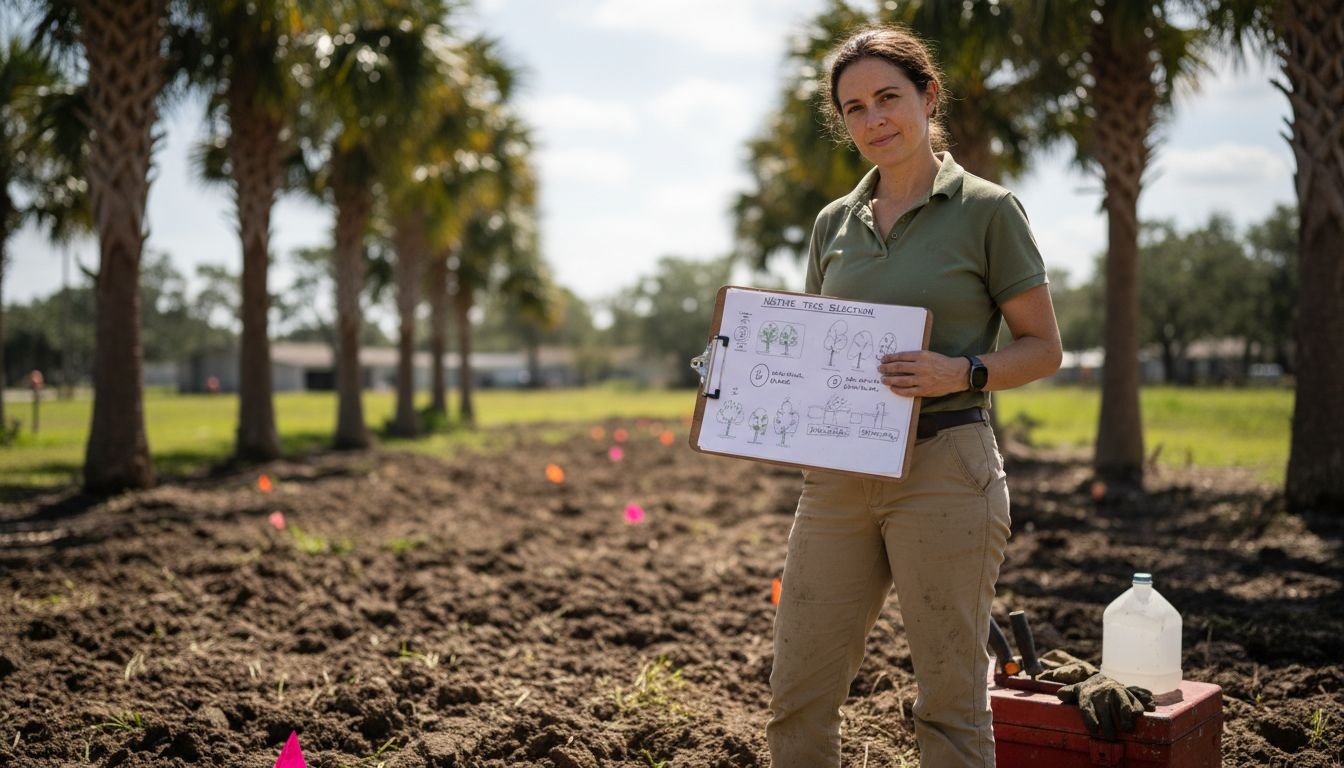
Below is a quick reference of Florida native tree species and their commercial landscape advantages:
| Tree Species | Adaptation Strength | Benefit for Businesses |
|---|---|---|
| Live Oak | Drought and wind hardy | Provides shade, curb appeal |
| Sabal Palm | Salt tolerant | Low maintenance, iconic look |
| Red Maple | Wet soil adaptability | Seasonal color, wildlife value |
| Bald Cypress | Flood resilient | Storm resilience, habitat |
| Crape Myrtle | Heat tolerant | Extended flowering, visual interest |
- Live Oak (Quercus virginiana)
- Sabal Palm (Sabal palmetto)
- Red Maple (Acer rubrum)
- Bald Cypress (Taxodium distichum)
- Crape Myrtle (Lagerstroemia indica)
Comprehensive Florida tree databases help businesses implement the ‘right tree, right place’ principle, ensuring optimal tree placement and long-term landscape health. This approach considers specific site characteristics and environmental conditions to maximize tree survival and performance.
Beyond aesthetic considerations, commercial property managers must also evaluate trees’ potential impact on infrastructure, utility lines, and building foundations. Careful species selection and strategic placement can mitigate potential future maintenance challenges and reduce long-term landscaping costs.
Pro tip: Consult with local certified arborists who understand Central Florida’s unique ecosystem to develop a tailored tree selection strategy that balances ecological sustainability with commercial property requirements.
Florida Regulations and Arborist Standards
Navigating the complex landscape of tree management for commercial properties in Florida requires a comprehensive understanding of local regulations and professional standards. Arborist certification plays a crucial role in ensuring compliance and maintaining the health of urban landscapes.
Florida tree protection statutes provide critical guidelines for property managers and business owners. These regulations establish important parameters for tree management, focusing on several key aspects:
- Permit requirements for tree removal
- Protection of native and significant tree species
- Professional assessment standards
- Mitigation and replacement protocols
Commercial property owners must be particularly attentive to local ordinances that vary across different counties. Regulatory compliance involves understanding specific requirements such as:
- Tree diameter thresholds
- Species-specific protection measures
- Mandatory professional assessments
- Landscape preservation guidelines
County-level tree protection ordinances add another layer of complexity to tree management. These local regulations often require businesses to obtain permits, follow specific removal protocols, and implement mitigation strategies when trees are impacted by development or maintenance activities.
Certified arborists serve as critical partners in navigating these regulatory landscapes. Their professional expertise helps commercial property managers understand and comply with complex tree management requirements, balancing ecological preservation with property development needs.
Pro tip: Invest in a comprehensive tree assessment from a certified International Society of Arboriculture (ISA) professional to ensure full compliance with local and state regulations.
Installation Best Practices for Longevity
Successful tree installation for commercial properties requires precise techniques that go beyond simple planting. Strategic tree placement demands comprehensive understanding of environmental conditions and long-term landscape health.
Tree planting best practices emphasize critical considerations for ensuring tree survival and performance. Commercial property managers must focus on several fundamental elements during installation:
- Selecting high-quality nursery stock
- Evaluating site-specific environmental conditions
- Preparing appropriate planting locations
- Understanding species-specific requirements
- Minimizing transplant shock
The planting process itself involves multiple technical considerations. Proper installation techniques are essential and include:
- Digging wide, shallow planting holes
- Carefully removing container or burlap wrappings
- Positioning trees at correct depth
- Avoiding soil amendments that restrict root growth
- Creating optimal backfill conditions
University research guidelines recommend specific mulching techniques that protect tree health. Proper mulch application helps retain moisture, regulate soil temperature, and prevent potential trunk damage while supporting root development.
Post-installation care represents a critical phase in tree establishment. Commercial properties must implement systematic monitoring and maintenance protocols to support tree growth, including consistent watering, periodic health assessments, and protection from potential environmental stressors.
Pro tip: Schedule professional arborist assessments during the first three years after planting to ensure optimal tree development and address potential issues early.
Costs, Liabilities, and Maintenance Needs
Managing trees on commercial properties involves complex financial considerations and potential legal risks that extend far beyond initial planting expenses. Tree asset management requires a strategic approach to budgeting, risk mitigation, and proactive maintenance.
Tree risk management strategies highlight the critical importance of understanding potential liabilities associated with tree ownership. Commercial property managers must consider multiple financial dimensions:
- Initial planting costs
- Ongoing maintenance expenses
- Potential liability risks
- Emergency tree removal budgets
- Long-term landscape investment
Financial planning for urban tree management involves comprehensive cost analysis. Maintenance budgeting typically encompasses several key expenditure categories:
- Regular pruning and health assessments
- Structural support and corrective treatments
- Periodic risk evaluations
- Potential removal and replacement costs
- Emergency intervention funds
Urban tree management research demonstrates that proactive maintenance significantly reduces long-term financial risks. Investing in regular professional assessments can prevent costly emergency interventions and potential legal complications arising from tree-related property damage or personal injury.
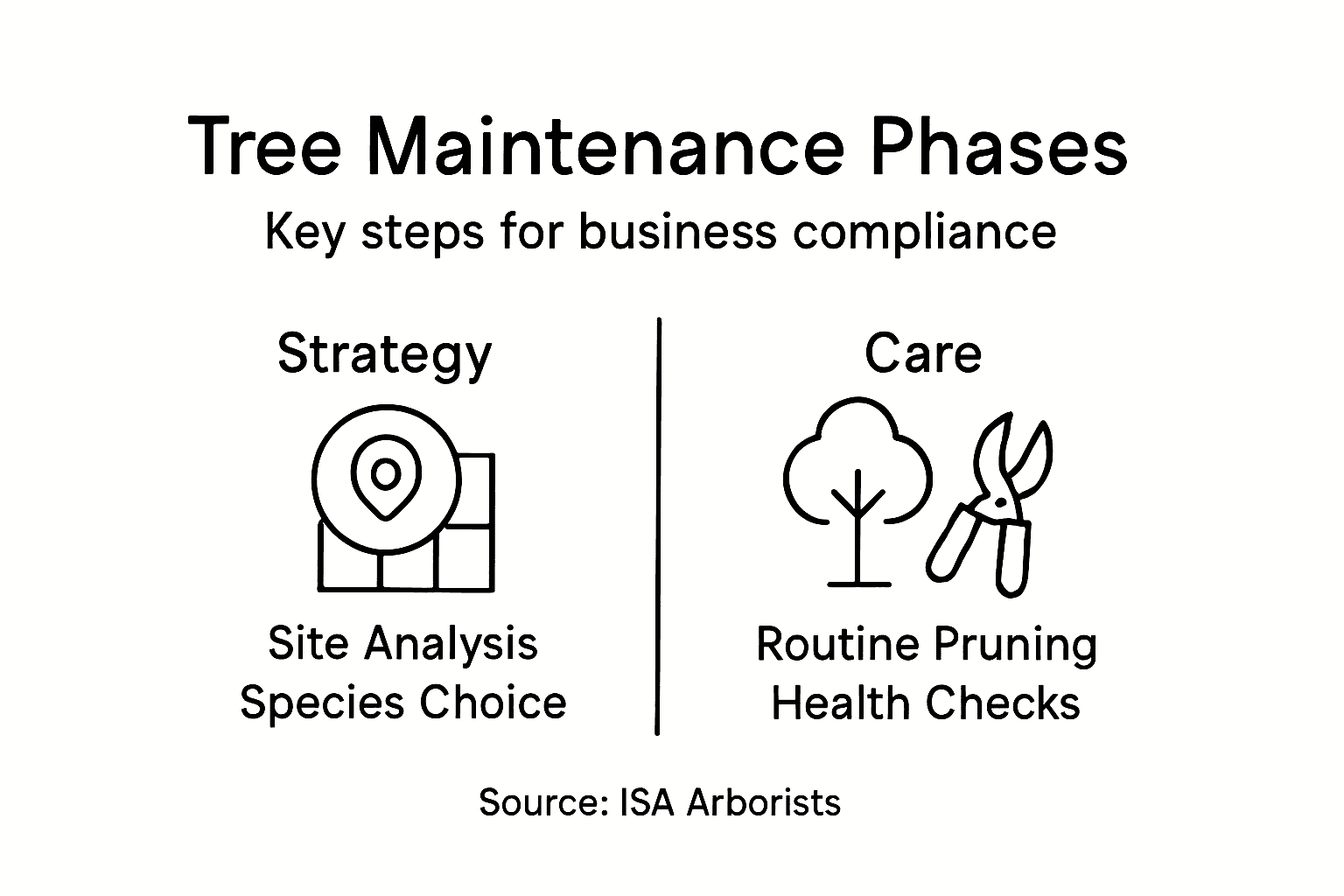
Liability management requires systematic documentation and professional risk assessment. Commercial properties must develop robust protocols for tree inspection, maintenance, and potential hazard mitigation to protect against potential legal challenges and ensure ongoing landscape safety.
Pro tip: Develop an annual tree management budget that allocates at least 3-5% of your total landscaping budget for professional inspections and proactive maintenance.
Enhance Your Commercial Property With Expert Tree Planting and Care
Planting trees on commercial properties is a smart investment but it comes with challenges like selecting the right species, complying with Florida regulations, and ensuring ongoing maintenance to prevent costly risks. If you want to boost your property value and stay fully compliant, you need a partner who understands the nuances of urban tree planting and the local ecosystem. At McCullough Tree Service, our certified arborists specialize in site analysis, strategic installation, and comprehensive maintenance tailored for Central Florida commercial landscapes.
Take the guesswork out of your tree planting projects. We help you choose the best native species like Live Oak or Sabal Palm that thrive in this climate while respecting local regulations. Our professional team handles every step including proper planting techniques, risk assessments, and long-term care plans to maximize survival and reduce liabilities.
Ready to grow your investment with confidence?
Visit McCullough Tree Service today and discover how our certified arborists can deliver expert tree care customized to your property’s needs. Contact us to schedule a consultation, get an estimate, or ask about our tree planting and maintenance services to protect your commercial landscape now.
Frequently Asked Questions
What are the essential phases of tree planting for commercial properties?
Successful tree planting involves three critical phases: pre-planting site analysis, strategic tree installation, and comprehensive post-planting maintenance.
Why is species selection important in commercial tree planting?
Choosing the right tree species is essential as it ensures trees thrive in their specific urban environment, enhancing both aesthetic appeal and ecological function while reducing maintenance challenges.
What maintenance practices are necessary for newly planted commercial trees?
Ongoing care for newly planted trees includes consistent watering, periodic pruning, and proactive health monitoring to ensure tree establishment and long-term vitality.
How can businesses ensure compliance with local tree management regulations?
Businesses can ensure compliance by understanding local tree protection statutes, obtaining necessary permits, and consulting certified arborists to navigate regulatory requirements.
Recommended
- Trees Boosts Property Value: Enhance Your Home’s Worth
- The Worth of Planting Trees: A Deep Dive
- Commercial Tree Maintenance – Why Compliance Matters
- How to Remove Commercial Trees Safely and Legally
- Environmental Policy – ClearSpa™
- Tree Service Orlando FL
- Tree Service Winter Springs FL