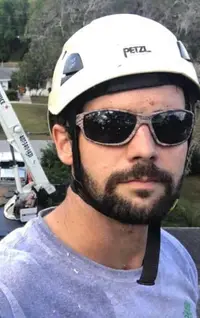
By: Shelby McCullough| Published: January 11, 2026
Most American homeowners in Central Florida are surprised to learn that over 60 percent of tree removals in the region involve urgent storm damage or declining tree health. Navigating the risks and legal requirements for safe tree removal can be overwhelming, especially with local regulations and property liabilities at stake. If you want peace of mind and expert guidance from certified arborists, this guide reveals the facts behind common myths, proven techniques, and crucial homeowner protections.
Table of Contents
- Defining Tree Removal And Common Myths
- Types Of Tree Removal Services Offered
- How Certified Arborists Conduct Removal Safely
- Legal Requirements For Tree Removal In Florida
- Risks, Costs, And Liability For Homeowners
Key Takeaways
| Point | Details |
|---|---|
| Understanding Legal Requirements | Homeowners should familiarize themselves with Florida’s tree removal regulations, as specific permits may not be necessary for all cases. Contacting local authorities can clarify these requirements. |
| Hire Certified Arborists | Utilizing certified arborists ensures that tree removal is executed safely and in compliance with environmental standards. Always verify their insurance and credentials before hiring. |
| Assess Financial Risks | Homeowners must be aware of potential legal liabilities and costs associated with improper tree removal. Hiring insured professionals can mitigate these risks effectively. |
| Environmental Considerations | Responsible tree removal involves evaluating the ecological impact, particularly in urban areas. A thorough assessment before removal can help preserve local ecosystems. |
Defining Tree Removal and Common Myths
Tree removal is a structured process involving the complete extraction of a tree from its existing location, typically requiring professional assessment and specialized equipment. In Florida, this procedure goes beyond simply cutting down a tree and involves careful planning, understanding legal requirements, and assessing potential environmental impacts.
Under Florida Statute guidelines, property owners have specific rights regarding tree removal, which often contradicts common public misconceptions. Many homeowners mistakenly believe they need permits for every tree removal, when in reality, certain circumstances allow for straightforward removal without extensive bureaucratic processes. The legal framework provides nuanced guidelines that distinguish between scenarios requiring formal permission and those permitting direct action.
Environmental considerations play a critical role in responsible tree removal. Scientific research confirms that indiscriminate tree removal can significantly disrupt local ecosystems, potentially impacting carbon sequestration, air quality, and wildlife habitats. Urban areas like Orlando require particularly careful evaluation, considering the delicate balance between development needs and environmental preservation.
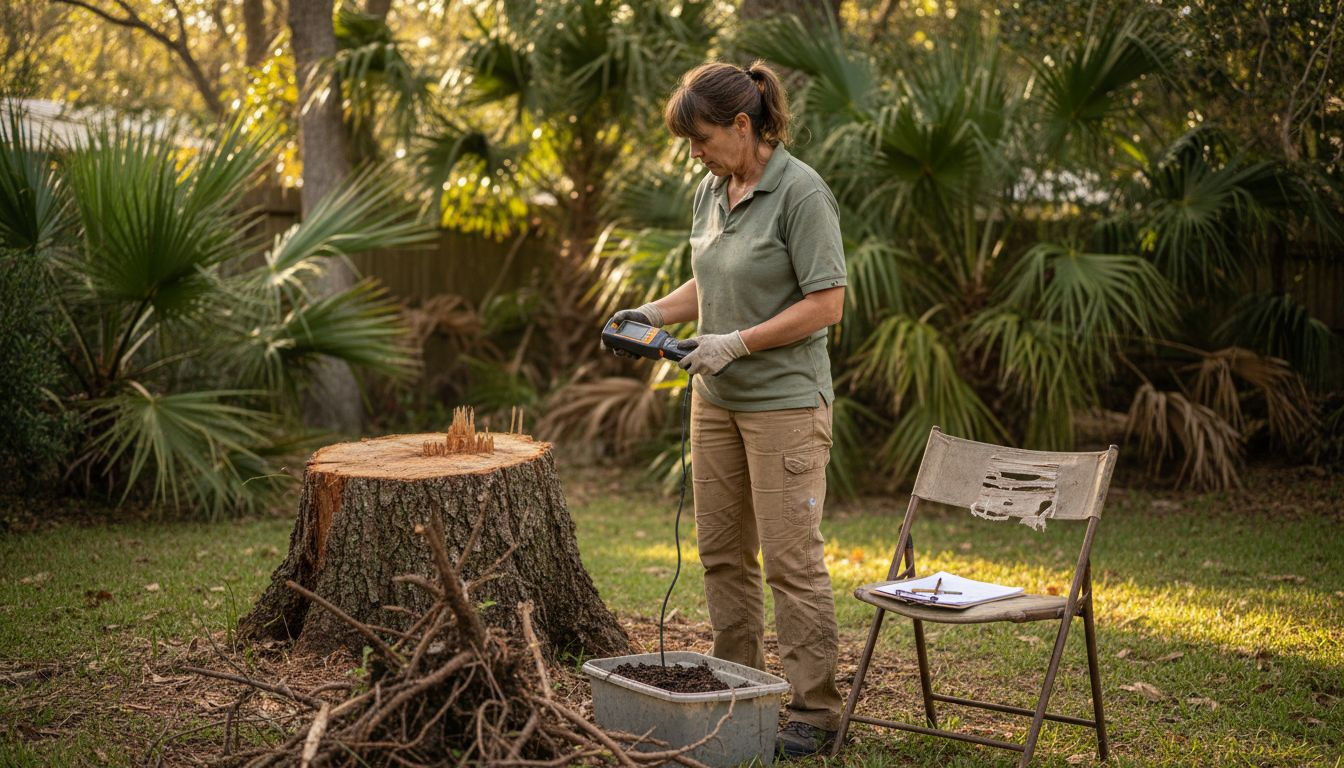
Pro tip: Before initiating any tree removal, consult a certified arborist who can provide a comprehensive assessment of your specific situation and ensure compliance with local regulations.
Types of Tree Removal Services Offered
Tree removal services in Florida encompass a comprehensive range of specialized techniques designed to address various property and environmental needs. Professional arborists offer multiple approaches to tree management, each tailored to specific scenarios ranging from routine maintenance to emergency interventions.
In urban and residential settings, tree removal services support disaster recovery by addressing trees damaged during storms, hurricanes, or other natural events. These services typically include complete tree extraction, selective branch removal, and strategic tree assessment to minimize potential property damage and ensure public safety. Professional services categorize removals based on complexity and risk factors, including:
- Emergency Tree Removal: Immediate response for hazardous or fallen trees
- Selective Removal: Targeted extraction of specific trees affecting property structures
- Stump Grinding: Complete root system elimination after tree removal
- Land Clearing: Comprehensive tree and vegetation management for development projects
Commercial and residential properties require different approaches to tree removal. While residential services focus on individual tree health and property aesthetics, commercial services emphasize large-scale management, risk mitigation, and compliance with local environmental regulations. These professional services utilize advanced equipment and techniques to ensure safe, efficient, and environmentally responsible tree removal.
Here’s a quick comparison of tree removal service approaches for residential versus commercial properties in Florida:
| Factor | Residential Removal | Commercial Removal |
|---|---|---|
| Main Priority | Aesthetics and tree health | Risk reduction and compliance |
| Common Equipment Used | Hand saws, small grinders | Industrial cranes, large grinders |
| Assessment Focus | Impact on home/property | Ecosystem and zoning regulations |
| Typical Project Scope | Single tree or small clusters | Multiple trees, large land areas |
Pro tip: Always request a comprehensive site assessment from certified arborists before initiating any tree removal to understand potential risks and develop the most appropriate removal strategy.
How Certified Arborists Conduct Removal Safely
Certified arborists employ a systematic and highly scientific approach to tree removal, prioritizing safety, precision, and environmental responsibility. These professionals undergo extensive training to develop comprehensive skills that go far beyond simple tree cutting, ensuring every removal is conducted with meticulous attention to potential risks and ecological impacts.
Safety standards in tree removal involve rigorous protocols that protect both workers and property. Certified arborists follow strict guidelines including OSHA regulations and ANSI A300 industry standards, which mandate comprehensive hazard assessments, specialized equipment usage, and precise removal techniques. These professionals conduct thorough site evaluations that include:
- Detailed tree structural analysis
- Assessment of surrounding infrastructure
- Identification of potential hazard zones
- Evaluation of environmental impact
- Determination of safest removal strategy
Advanced safety measures distinguish professional arborists from untrained workers. They utilize specialized personal protective equipment, implement sophisticated rigging techniques, and coordinate closely with utility companies when removing trees near power lines. The process involves careful planning, strategic cutting methods, and precise equipment manipulation to minimize risks and prevent potential property damage.
Pro tip: Request documentation of an arborist’s current safety certifications and insurance before authorizing any tree removal project to ensure maximum protection and professional standards.
Legal Requirements for Tree Removal in Florida
Florida’s tree removal regulations represent a complex legal landscape designed to balance property rights with environmental preservation. Homeowners and property managers must navigate a multifaceted system of local municipal codes, state statutes, and environmental protection guidelines that govern the removal of trees across different contexts.
Tree removal laws in Florida establish specific criteria for when permits are required and outline critical exemptions property owners should understand. State Statute 163.045 provides fundamental guidelines that distinguish between scenarios requiring formal approval and those allowing direct action. Key legal considerations include:
- Differentiating between protected and nuisance trees
- Evaluating potential environmental impact
- Understanding municipal zoning restrictions
- Identifying heritage tree preservation requirements
- Assessing potential fines for unauthorized removals
County-level regulations add another layer of complexity to tree removal processes. Broward County, for instance, enforces stringent Tree Preservation and Abuse Ordinances that mandate licensing, application processes, and replacement requirements for tree removals. These regulations aim to maintain the region’s forest canopy while protecting ecological health and ensuring responsible property management.
Pro tip: Contact your local municipal office to obtain a comprehensive understanding of specific tree removal requirements in your specific county or city before initiating any tree removal project.
Risks, Costs, and Liability for Homeowners
Tree removal represents a significant financial and legal undertaking for Florida homeowners, with potential consequences that extend far beyond the immediate cost of service. Understanding the complex landscape of financial risks and legal responsibilities is crucial for making informed decisions about tree management on residential properties.
Homeowner liability risks involve multiple layers of potential financial exposure, ranging from property damage to personal injury claims. Improper tree removal can result in substantial legal complications, including fines for unauthorized removals and potential lawsuits if damage occurs to neighboring properties or infrastructure. Key financial risks include:
- Unexpected repair costs from property damage
- Potential legal fees from liability claims
- Fines for violating local tree removal regulations
- Insurance premium increases after incidents
- Costs of emergency tree removal during storm events
Professional tree service providers carry specialized insurance and credentials that significantly mitigate these risks for homeowners. Hiring uninsured or unlicensed contractors dramatically increases potential liability, as homeowners can be held responsible for accidents, worker injuries, or property damage that occurs during tree removal operations. Comprehensive documentation, proper permits, and working with certified professionals are essential strategies for protecting against financial and legal vulnerabilities.
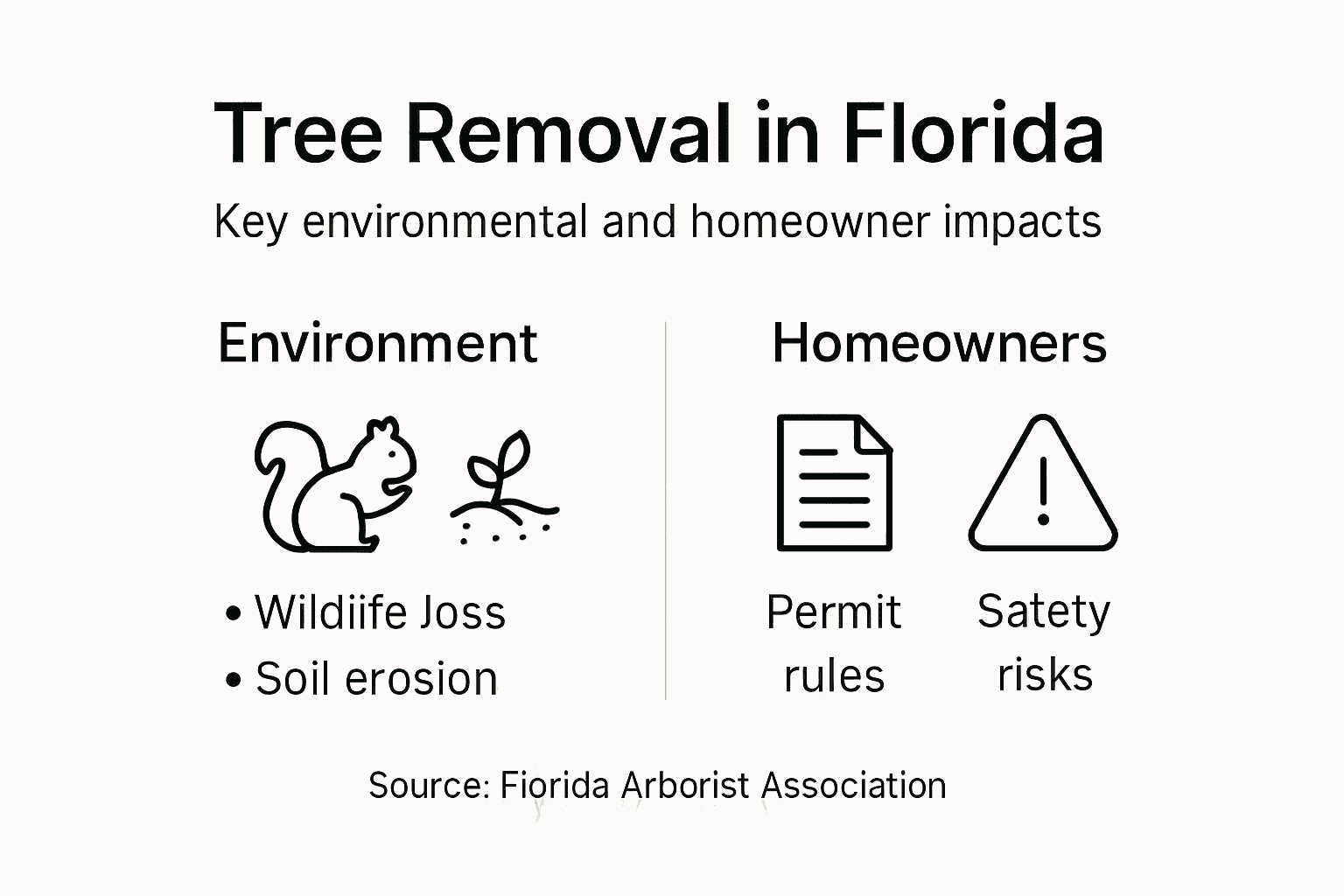
Below is a summary of key homeowner liabilities and mitigation strategies in Florida tree removal:
| Liability Type | Example Risk | Mitigation Strategy |
|---|---|---|
| Property Damage | Broken fences, home roof damage | Hire certified arborists |
| Legal Violations | Removing protected trees illegally | Obtain permits and follow codes |
| Injury Claims | Worker hurt during unliscensed removal | Verify contractor insurance |
| Neighbor Disputes | Damaged shared property lines | Document all removal procedures |
Pro tip: Always request and verify a tree service provider’s current insurance documentation and professional certifications before authorizing any tree removal project.
Get Expert Tree Removal Services Tailored for Florida Conditions
Understanding the complexities of tree removal in Florida, including legal requirements and safety challenges, is crucial for every property owner. If you are concerned about dealing with hazardous trees, complying with local regulations, or protecting your home from storm damage, McCullough Tree Service offers trusted solutions backed by certified arborist expertise. We address critical pain points like obtaining proper permits, minimizing environmental impact, and ensuring safe removal techniques that protect your property and loved ones.
Take control of your tree care needs now by partnering with professionals who understand the unique risks and legal nuances highlighted in the article. Visit McCullough Tree Service to learn about our full range of services including safe tree removal, storm cleanup, and stump grinding. Ensure your property’s health and safety today by scheduling an expert consultation and benefit from experienced, licensed specialists who keep Florida’s environment and laws top of mind.
Frequently Asked Questions
What is tree removal?
Tree removal is a structured process involving the complete extraction of a tree from its location, requiring professional assessment and specialized equipment. It ensures compliance with legal requirements and minimizes environmental impact.
Are permits required for all tree removals?
Not all tree removals require permits. Florida law distinguishes between scenarios that need formal approval and those that allow for straightforward removal, based on the type of tree and its location.
What types of tree removal services are available?
Tree removal services include emergency tree removal, selective removal, stump grinding, and land clearing. Each type is tailored to different needs, such as safety after storms or preparation for development projects.
What are the risks associated with improper tree removal?
Improper tree removal can lead to significant risks, including property damage, personal injury claims, and legal violations. Hiring certified professionals helps mitigate these risks and ensures compliance with local regulations.
Recommended
- Role of Tree Removal in Orlando Landscaping
- Tips to Prevent Lawn Damage After Tree Removal
- Commercial Tree Removal Explained: Ensuring Safety and Compliance
- Florida Protected Trees: Regulations and Care
- Tree Removal Altamonte Springs FL
- Tree Service Altamonte Springs FL