By: Shelby McCullough| Published: May 6, 2026
TL;DR:
- Many Baldwin Park property owners mistakenly believe tree work on their land does not require permits, which can be costly. Orlando’s regulations specify that removing or encroaching on certain trees necessitates permits, especially for large, protected, or specimen species, with enforcement handled by the city and county. Hiring certified arborists ensures compliance, proper documentation, and protection against fines, liability, and property damage, especially during storm season.
Many Baldwin Park property owners assume that any tree work on their own land is entirely their call, no paperwork needed. That assumption can be costly. Baldwin Park sits within Orlando’s jurisdiction, and the City of Orlando tree guidance makes clear that a tree removal or encroachment permit may be required depending on the tree’s size, species, and location. Whether you’re planning routine maintenance, dealing with a hazardous oak after a storm, or managing a multi-unit property, knowing the rules before you pick up a chainsaw or call a crew protects your wallet and your landscape.
Table of Contents
- Understanding tree regulations and permits in Baldwin Park, FL
- Types of tree services available and when to use them
- How Baldwin Park’s tree ordinance shapes your tree care decisions
- Storm preparation and emergency tree response in Baldwin Park
- Why compliance-first tree care is the best investment
- Get expert help with Baldwin Park’s leading tree service
- Frequently asked questions
Key Takeaways
| Point | Details |
|---|---|
| Permits often required | Many tree projects in Baldwin Park, FL need city permits, especially for removals or work near streets. |
| Strictly protected trees | Specimen, heritage, and native trees have extra protection and need special handling. |
| Certified help matters | Professional arborists can ensure your projects are legal, safe, and protect property value. |
| Storm prep saves money | Proactive trimming and emergency removal with documentation reduce storm damage and fines. |
| Ordinance impacts all work | Orlando’s recent ordinance changes mean compliance is needed for routine and emergency tree care. |
Understanding tree regulations and permits in Baldwin Park, FL
Baldwin Park is a master-planned community inside Orlando city limits, which means all tree-related activity falls under Orlando’s municipal code and, in some cases, Orange County oversight. The rules aren’t just suggestions. They carry real enforcement weight, and ignoring them can result in fines, required replanting at your expense, or stop-work orders on larger projects.
What triggers a permit?
Not every branch trim requires a permit, but several common situations do. Here’s a quick breakdown:
| Situation | Permit likely required? | Notes |
|---|---|---|
| Removing a tree over 4 inches DBH (diameter at breast height) | Yes | Applies to most mature shade trees |
| Trimming a street tree or tree in the public right-of-way | Yes | City controls these trees |
| Removing a protected or specimen tree | Yes, with replacement | Higher replacement ratios apply |
| Routine pruning of a small private-yard tree | Usually no | Confirm with city if uncertain |
| Emergency removal after storm damage | Conditional | Post-action documentation often required |
| Land clearing for development | Yes | Stricter review process |
DBH simply means the width of the trunk measured at 4.5 feet above the ground. If your tree hits that threshold, you’re almost certainly in permit territory for removal.
Who enforces the rules?
Orlando’s Urban Forestry Division handles most residential and commercial tree compliance within city limits. Code enforcement officers can respond to complaints or conduct inspections during permitted projects. Orange County’s own award-winning tree ordinance layers additional preservation requirements on top of city rules, especially for large native trees and any work tied to development or land clearing. The county’s program has received regional recognition precisely because it goes further than most municipalities in protecting the urban tree canopy.
Penalties for non-compliance can include fines per tree, mandatory replacement at a multiplier ratio (meaning you may need to plant two or three trees for every one removed), and in serious cases, civil liability. Following the Orlando tree service regulations isn’t bureaucratic red tape. It’s genuinely protective for your property and your neighborhood.
Pro Tip: Before starting any tree project, call Orlando’s Urban Forestry Division or ask your arborist to pull permit history on your property. Many homeowners discover existing tree preservation conditions from prior development approvals that still apply to their lot.
Types of tree services available and when to use them
With regulations in mind, it’s important to choose the right tree care approach for your situation. Not all tree work is the same, and the type of service you need determines both the method and whether compliance steps are involved.
The core services and their triggers
- Tree trimming and pruning — Removing specific branches to improve structure, reduce weight, or clear hazards. Routine trimming of healthy private-yard trees often doesn’t require a permit, but tree trimming in Baldwin Park near power lines, structures, or public rights-of-way is a different story.
- Tree removal — Taking down a tree entirely. This is the most regulated service. Size, species, and location all factor into whether you need a permit. Tree removal in Baldwin Park involving protected or specimen trees requires arborist documentation and often a replacement plan submitted to the city.
- Stump grinding — Removing the remaining stump after a tree is cut. Generally lower on the regulatory radar, but if the removal itself required a permit, stump grinding is part of that permitted scope of work.
- Emergency storm response — Clearing fallen or dangerously leaning trees after a storm. This is where many homeowners get caught off guard. Even in emergencies, trees in or near the public right-of-way or involving protected species may require post-action documentation or city notification.
- Land clearing — Removing multiple trees for construction or landscaping overhaul. This triggers the most stringent review process and almost always requires permits, a tree survey, and a mitigation plan.
Why certified arborists matter here
A certified arborist isn’t just someone with a chainsaw and experience. ISA (International Society of Arboriculture) certification means the person has passed a rigorous exam covering tree biology, risk assessment, and proper care techniques. More importantly for Baldwin Park property owners, a certified arborist can prepare the documentation the city actually accepts. When a permit application requires a tree health assessment or a removal justification, that report needs to come from someone with credentials. Hiring an unlicensed crew may save money upfront but can invalidate your permit application entirely.
Pro Tip: If your tree is near a property line or overhanging a neighbor’s yard, get a written assessment from a certified arborist before any work begins. This protects you from liability claims if a branch removal affects the neighbor’s property.
How Baldwin Park’s tree ordinance shapes your tree care decisions
Selecting the right service is only part of the equation. The underlying rules can have long-term implications you might not expect, especially with the strengthened ordinances now in effect.
Orange County’s updated tree preservation program places stronger protections on large native trees and specimen trees, which are defined by size thresholds (typically 24 inches DBH or greater) or by species designation. Heritage trees, a specific category for trees of exceptional age or historical significance, carry the strictest protections of all.
What the replacement rules actually mean for you
If you need to remove a protected tree, the city doesn’t just let you plant one sapling and call it done. Replacement ratios can range from 2:1 to 4:1 or higher depending on the tree’s classification. That means removing one large live oak could require you to plant two to four replacement trees of a specified caliper size on or near the property. If your lot can’t accommodate the required replacements, you may owe fees into the city’s tree bank fund instead.
“Orange County’s ordinance has been recognized for going beyond minimum standards, with stricter requirements for specimen and heritage trees that significantly increase replacement obligations when those trees are removed.”
Common ordinance pitfalls property owners encounter
- Assuming a tree is “just on my property” and therefore unregulated, when it actually qualifies as a specimen tree
- Hiring a crew that removes a tree without pulling permits, leaving the property owner legally responsible
- Failing to check for existing tree preservation conditions tied to the original subdivision approval
- Trimming more than 25% of a tree’s canopy in a single year, which can violate health standards and trigger code review
- Not notifying the city when emergency removal involves a regulated tree, even if the situation was genuinely urgent
The tree removal guide for Orlando walks through many of these scenarios in detail. Understanding the role of tree removal in the broader context of urban forestry helps property owners make smarter decisions before committing to any action.
Storm preparation and emergency tree response in Baldwin Park
Storms can put your compliance and preparation to the test. Baldwin Park sits in Central Florida’s hurricane corridor, and the combination of mature tree canopy, dense housing, and proximity to Lake Baldwin creates real wind and water hazards every season.
Before the storm: what you can and should do
- Schedule a pre-season tree assessment. A certified arborist can identify structurally weak trees, co-dominant stems (two trunks growing together at a weak angle), and dead wood before a storm turns them into projectiles.
- Trim overhanging branches. Branches hanging over your roof, fence, or neighbor’s property are the most common source of storm damage claims. This work is typically permittable and straightforward when done proactively.
- Remove dead or dying trees. A dead tree has no structural integrity. Removing it before storm season is far safer and usually less expensive than emergency removal after the fact.
- Document your trees. Photograph every significant tree on your property, including its size, condition, and proximity to structures. This documentation matters for insurance claims and, if removal becomes necessary, for city permit applications.
- Review your insurance policy. Many homeowner policies have specific clauses about tree maintenance. Documented professional care can strengthen your claim if a tree causes damage during a storm.
During and after the storm: legal do’s and don’ts
The urgency of storm cleanup doesn’t suspend permit requirements entirely. For trees in the public right-of-way, the city typically handles removal, and you should not hire a private crew to work on those trees without city authorization. For trees on private property that are blocking access or posing immediate safety threats, emergency removal is generally allowed, but tree preservation requirements still apply for regulated species. Post-action notification to the city is often required within a set timeframe.
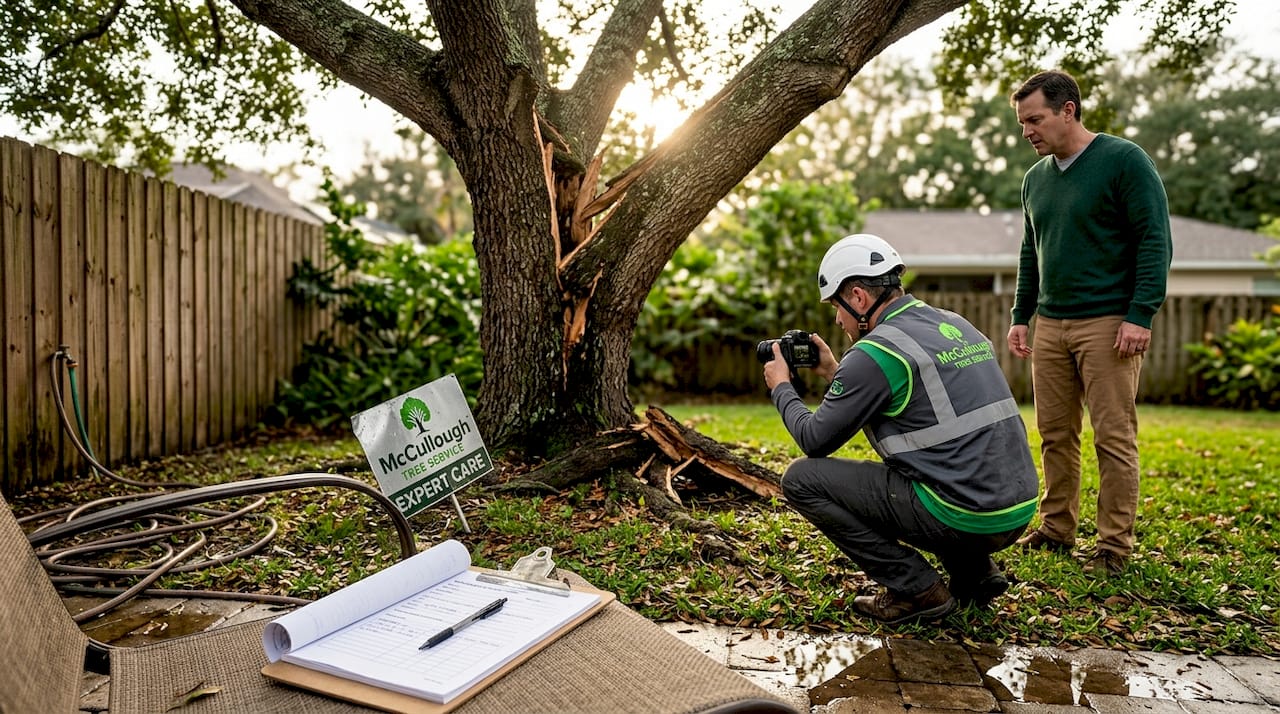
Following solid storm prep tips before the season starts dramatically reduces the chaos and legal exposure after a major weather event.
Pro Tip: Keep a folder with your tree care records, permit numbers, and arborist reports. After a storm, city inspectors and insurance adjusters move fast. Having documentation ready speeds up both the compliance review and your claim.
Why compliance-first tree care is the best investment
Here’s what most Baldwin Park residents get wrong: they think of permits and regulations as obstacles to getting tree work done. We see it differently. After years of working in this market, the property owners who treat compliance as a burden are the same ones calling us in a panic after a code violation notice or a denied insurance claim.
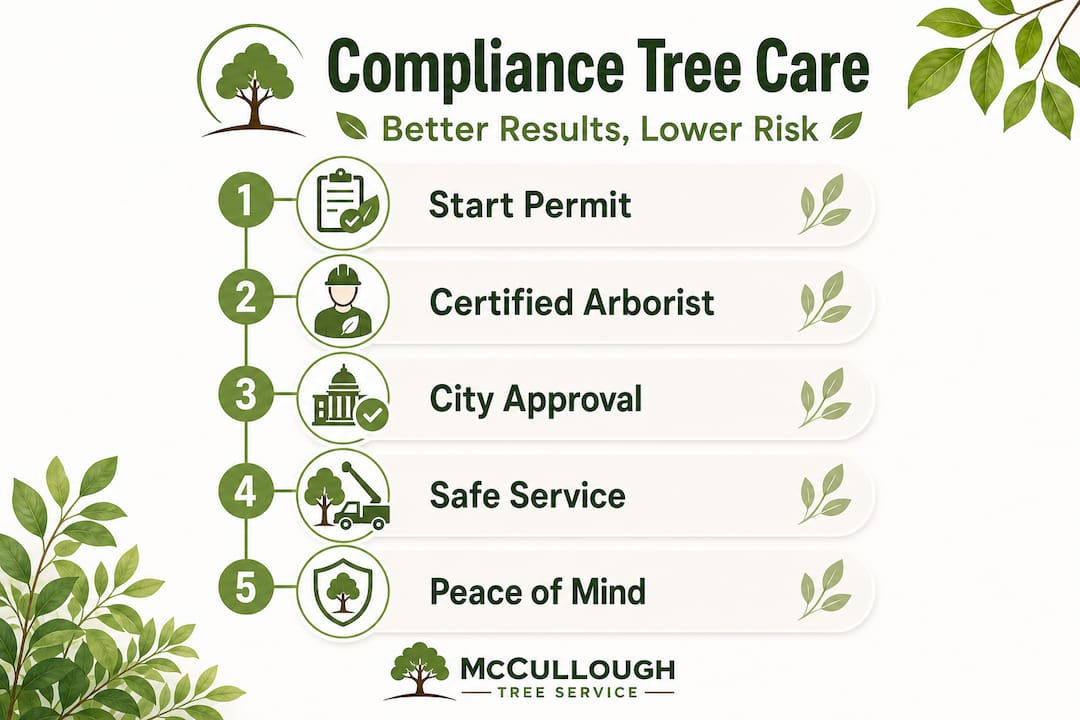
The do-it-yourself approach has real limits under Orlando’s current ordinances. Cutting down a tree yourself without a permit isn’t just technically illegal. It can trigger a replacement obligation that costs far more than hiring a professional crew to do the job correctly from the start. We’ve seen homeowners face $5,000 or more in fines and required replanting costs after removing a single large oak without proper permits.
Professional arborist oversight does something that no amount of YouTube tutorials can replicate: it creates a paper trail. Documented care, proper permit applications, and certified assessments protect you in three specific ways. First, they satisfy city requirements and prevent fines. Second, they support insurance claims when storm damage occurs. Third, they actually increase your property’s value. Studies consistently show that well-maintained, healthy trees add measurable value to residential properties, and documented professional care is part of what appraisers and buyers look at.
The myth of “private property rights” over trees is particularly persistent in Baldwin Park. Yes, it’s your property. But the moment a tree qualifies as a specimen, heritage, or right-of-way tree, the city has a legitimate interest in its fate. Working with certified Baldwin Park arborists who know the local ordinances isn’t giving up control. It’s exercising smart ownership.
Get expert help with Baldwin Park’s leading tree service
Navigating permits, ordinances, and storm season doesn’t have to be stressful when you have the right team behind you. McCullough Tree Service works with Baldwin Park homeowners and property managers every day, handling everything from routine professional tree trimming to urgent storm cleanup, always with full compliance in mind.
Our certified arborists handle permit applications, document tree health, and provide the written assessments the city requires, so you’re never left guessing about your obligations. When a storm hits or a hazardous tree needs to come down fast, we respond quickly and keep you protected on the regulatory side too. Whether you need tree removal experts for a large specimen or want to brush up on tree care tips before scheduling service, we’re here to make Baldwin Park tree care straightforward, safe, and fully above board.
Frequently asked questions
Do I need a permit to trim or remove a tree on my property in Baldwin Park, FL?
In many cases, yes. The City of Orlando tree guidance indicates that a removal or encroachment permit may be required depending on the tree’s size, species, and proximity to public spaces, so always check before starting work.
What types of trees have stricter protections in Baldwin Park?
Large native trees and specimen or heritage trees carry the most protection, and Orange County’s ordinance requires significantly higher replacement ratios when these trees are removed, sometimes two to four replacement trees per removal.
What do I do if a storm damages my tree in Baldwin Park?
Prioritize safety first, then document the damage with photos and contact a certified arborist. Even emergency removals involving regulated or right-of-way trees may require post-action notification or documentation submitted to the city.
Does the new tree ordinance affect routine trimming for homeowners?
Routine trimming of small private-yard trees is usually lower risk, but stricter requirements apply near public property or for regulated tree species, so it’s worth confirming your specific situation before proceeding.
Who can help me stay compliant with Baldwin Park’s tree laws?
Certified arborists and licensed local tree services are your best resource. They understand which trees require permits or arborist documentation and can guide you through every step of the compliance process.
Recommended
- Tree service in Oakland, FL: choose the right care
- Comprehensive Guide to Tree Services in Orlando
- Best Tree Service in Baldwin Park, FL | Estimate & Financing
- Fast & Safe Tree Removal Service in Baldwin Park, FL