By: Shelby McCullough| Published: December 28, 2025
Most American homeowners in Central Florida are surprised to learn that improper tree trimming can actually reduce a tree’s lifespan by several years. Healthy, beautiful trees do more than boost curb appeal—well-maintained trees protect property, improve safety, and even increase home value. With complex Florida regulations and diverse tree species, expert guidance becomes essential for making the right choices and avoiding costly mistakes.
Table of Contents
- Defining Tree Trimming And Common Misconceptions
- Types Of Tree Trimming And Their Uses
- Tree Trimming Laws In Central Florida
- Benefits For Tree Health And Property Safety
- Risks Of Diy Work And Common Mistakes
- Why Hire Certified Arborists For Tree Trimming
Key Takeaways
| Point | Details |
|---|---|
| Importance of Professional Expertise | Hiring a certified arborist ensures specialized knowledge in tree biology and proper trimming techniques, crucial for tree health in Florida’s environment. |
| Misconceptions About DIY Trimming | Homeowners often underestimate the risks of DIY tree trimming, which can lead to personal injury and long-term harm to trees. |
| Understanding Tree Trimming Types | Each type of tree trimming, such as structural or maintenance pruning, serves specific purposes and requires different techniques based on species and condition. |
| Legal Considerations | Homeowners must navigate municipal regulations regarding tree trimming, especially for significant or protected species, making professional guidance essential for compliance. |
Defining Tree Trimming and Common Misconceptions
Tree trimming represents a specialized horticultural practice focused on strategically removing branches to improve tree health, safety, and aesthetic appearance. Unlike random cutting, professional tree trimming involves precise techniques designed to support the overall structure and vitality of trees in Florida’s unique landscape. Professional arborists recognize tree trimming as a nuanced skill that requires understanding each tree species’ specific growth characteristics and environmental requirements.
Many homeowners misunderstand tree trimming, believing it involves simply cutting off branches without consideration for the tree’s long-term health. However, scientifically informed trimming serves multiple crucial purposes: removing diseased or damaged limbs, preventing potential hazards, improving sunlight penetration, and promoting balanced growth. Indiscriminate cutting can actually harm trees, potentially creating entry points for diseases or weakening the tree’s structural integrity.
Critical misconceptions about tree trimming often lead homeowners to make dangerous mistakes. Some incorrectly assume that all trees require the same trimming approach, while in reality, techniques vary dramatically between species. Fruit trees, ornamental trees, and native Florida species each demand unique trimming strategies. Another common error is believing that more cutting automatically improves tree health, when strategic, minimal intervention is typically most effective.
Pro tip: Before attempting any tree trimming, consult a certified arborist who understands Central Florida’s specific tree species and can provide personalized guidance tailored to your landscape’s unique conditions.
Types of Tree Trimming and Their Uses
Tree trimming encompasses several specialized techniques designed to address specific tree health and landscape management objectives. Professional arborists recognize multiple pruning approaches that serve distinct purposes in maintaining tree structure, appearance, and overall vitality. These techniques are carefully selected based on the tree species, age, condition, and intended landscape function.
Four primary types of tree trimming dominate professional arboriculture. Structural pruning focuses on young trees, guiding their growth to develop strong, stable branch configurations that minimize future structural problems. Maintenance pruning involves regular removal of dead, diseased, or crossing branches to promote tree health and prevent potential safety hazards. Clearance pruning addresses branches interfering with structures, power lines, or pedestrian pathways, ensuring safe interactions between trees and human environments. Restoration pruning targets damaged or neglected trees, strategically removing problematic growth to rehabilitate the tree’s natural form and health.
Each trimming type requires precise understanding of tree biology and careful execution. Florida’s diverse tree species demand nuanced approaches that consider local climate, soil conditions, and specific growth characteristics. For instance, citrus trees require different pruning techniques compared to oak or palm trees, with timing and method critically impacting the tree’s long-term health and fruit production. Native Florida trees often need specialized trimming strategies that account for hurricane resilience and rapid growth patterns.
Here’s a comparison of common tree trimming types and their primary purposes:
| Trimming Type | Typical Use | When Applied | Impact on Tree Health |
|---|---|---|---|
| Structural Pruning | Shape young trees | Early growth years | Prevents future problems |
| Maintenance Pruning | Remove dead/diseased branches | Annually or as needed | Supports ongoing vitality |
| Clearance Pruning | Avoid conflicts with buildings | Near structures/roads | Improves safety and access |
| Restoration Pruning | Recover neglected trees | After damage/neglect | Promotes recovery and balance |
Pro tip: Consult a certified arborist who understands Central Florida’s unique tree species and can develop a customized trimming plan that promotes tree health, safety, and aesthetic appeal.
Tree Trimming Laws in Central Florida
Understanding the legal landscape of tree trimming is crucial for Florida homeowners navigating complex municipal regulations. Florida statutes provide specific guidelines for residential tree management that balance property rights with community environmental standards. These regulations offer significant flexibility for homeowners while maintaining protections for urban tree populations.
Most Central Florida municipalities have adopted state-level provisions that minimize bureaucratic barriers for residential tree trimming. Homeowner rights are particularly robust, with most local governments prohibited from requiring extensive permits or charging fees for tree maintenance on private property. However, critical exceptions exist for trees deemed historically significant, located in conservation zones, or part of specific landscape preservation districts. Homeowners must obtain documentation from an International Society of Arboriculture (ISA) certified arborist if they plan to remove trees that might be considered problematic or potentially hazardous.
Special considerations apply to trees near utility lines, property boundaries, and in environmentally sensitive areas. Some municipalities require advance notification or professional assessment before significant tree trimming or removal, especially for mature or native species. Homeowners should understand that while state law provides broad discretion, local ordinances can introduce nuanced requirements based on specific community landscape management strategies. This means consulting local municipal offices or a professional arborist becomes essential for comprehensive compliance.
Pro tip: Always request written documentation from a certified arborist before undertaking significant tree trimming to ensure full compliance with local and state regulations.
Benefits for Tree Health and Property Safety
Tree trimming offers profound advantages that extend far beyond simple aesthetic improvements, playing a critical role in maintaining both tree vitality and residential safety. Professional landscape management demonstrates how strategic pruning protects trees and property by addressing potential structural vulnerabilities before they become serious hazards. Thoughtful tree maintenance represents a proactive approach to protecting your home’s environment and infrastructure.
Structural integrity emerges as a primary benefit of professional tree trimming. By systematically removing weak, diseased, or potentially dangerous branches, arborists prevent potential catastrophic failures during Florida’s intense storm seasons. Strategically pruned trees develop stronger branch structures, reduce the risk of limb breakage, and minimize potential damage to roofs, vehicles, and surrounding property. Additionally, regular trimming allows better air circulation and sunlight penetration, which directly contributes to improved tree health and resilience against local environmental stressors.
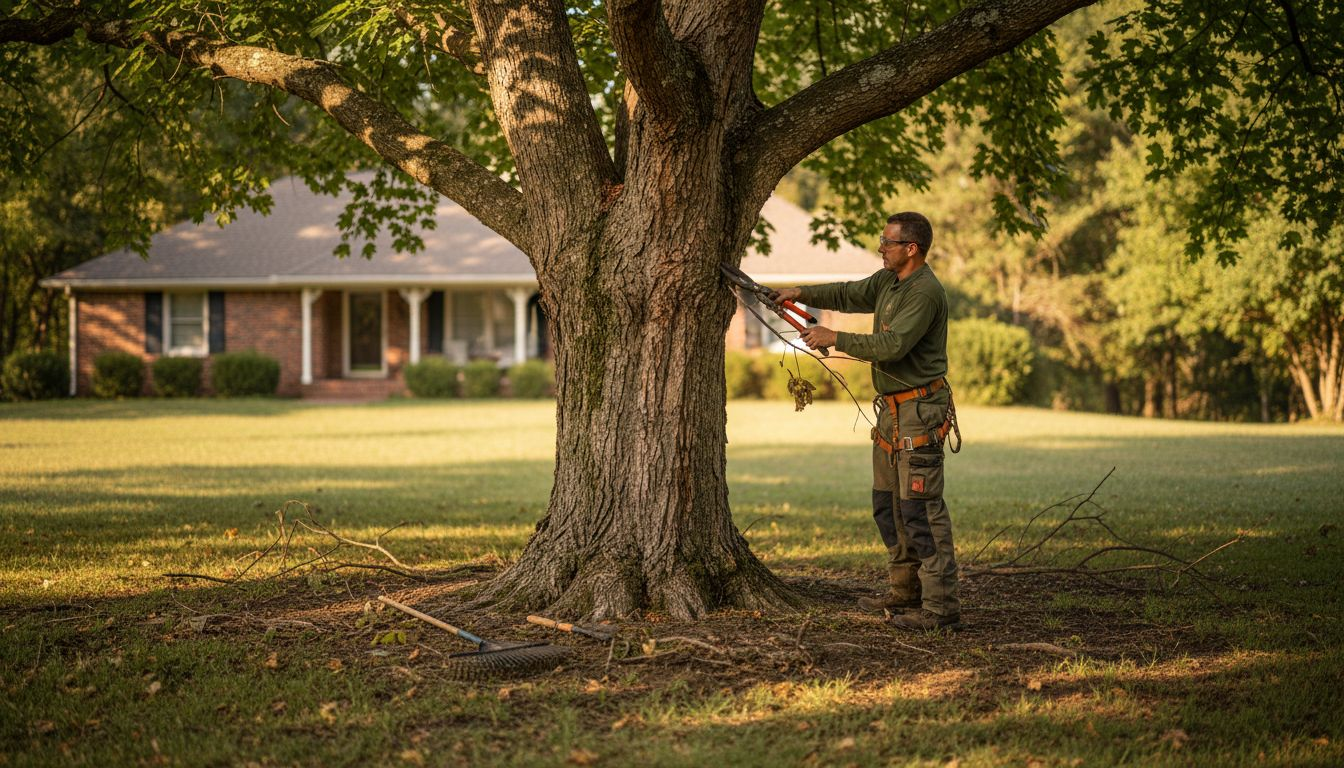
Beyond immediate safety considerations, tree trimming provides substantial long-term benefits for overall landscape health. Removing dead or crossing branches prevents potential disease transmission, reduces pest infestation risks, and promotes balanced tree growth. Florida’s unique climate presents specific challenges, including rapid growth patterns, high humidity, and increased susceptibility to fungal infections. Professional trimming helps trees develop strong central leaders, maintain appropriate canopy density, and adapt to the complex environmental conditions characteristic of Central Florida’s diverse ecosystems.
Pro tip: Schedule professional tree assessments annually to identify potential structural issues and maintain optimal tree health before minor problems escalate into significant safety risks.
Risks of DIY Work and Common Mistakes
Do-it-yourself tree trimming represents a significantly more dangerous endeavor than most homeowners realize. Safety data from professional landscaping studies reveal alarming risks associated with amateur tree maintenance, highlighting the potential for serious personal injury and property damage. Untrained individuals frequently underestimate the complexity of proper tree care, leading to costly and dangerous mistakes that can compromise both human safety and tree health.
Personal safety hazards represent the most immediate concern with DIY tree trimming. Inexperienced homeowners risk electrocution from nearby power lines, severe falls from improper ladder positioning, and serious injuries from incorrect tool handling. Professional-grade tree trimming requires specialized equipment, precise cutting techniques, and an understanding of complex biomechanical principles that extend far beyond simple branch removal. Central Florida’s unique environmental conditions, including high humidity, unpredictable wind patterns, and diverse tree species, further complicate the already challenging task of safe tree maintenance.
Beyond physical risks, amateur tree trimming frequently results in long-term damage to tree health. Incorrect cutting techniques can create vulnerable entry points for diseases, disrupt natural growth patterns, and potentially destabilize the entire tree structure. Homeowners often make critical errors such as cutting branches too close to the trunk, removing too much foliage at once, or trimming during inappropriate seasons. These mistakes can weaken trees, making them more susceptible to storm damage, pest infestations, and overall decline. Professional arborists understand the nuanced approaches required for different tree species, taking into account factors like age, health, and specific environmental stressors.
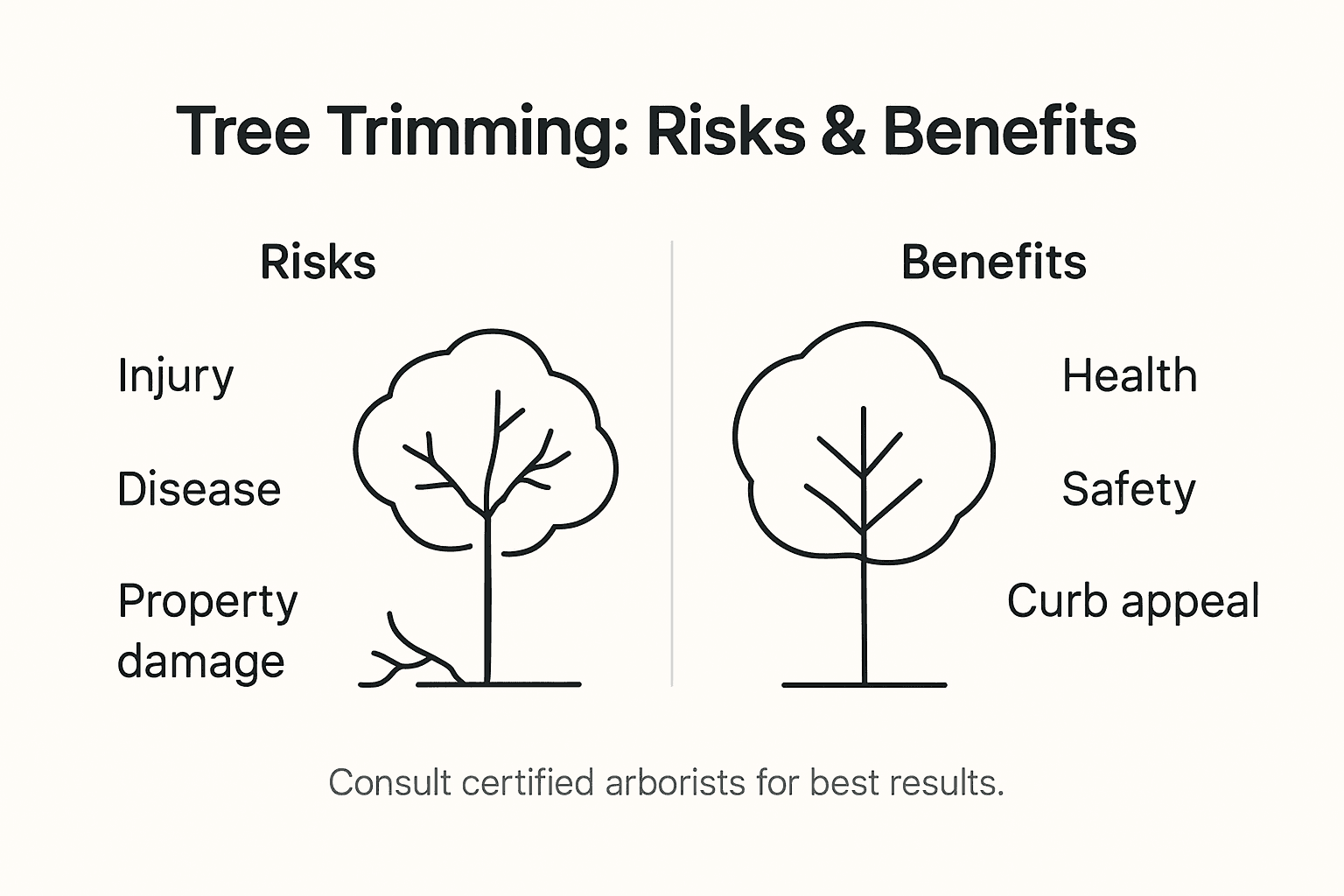
Below is a summary of key risks and outcomes associated with DIY versus professional tree trimming:
| Approach | Safety Risks | Typical Mistakes | Long-Term Results |
|---|---|---|---|
| DIY Trimming | Electrocution, falls | Overcutting, poor technique | Weakened trees, property risk |
| Professional | Minimized via training | Careful, species-specific methods | Healthier, safer landscapes |
Pro tip: Invest in a professional tree assessment before attempting any DIY trimming, as the cost of expert consultation is minimal compared to potential medical bills or property damage.
Why Hire Certified Arborists for Tree Trimming
Certified arborists represent the gold standard in professional tree care, bringing specialized expertise that extends far beyond basic tree maintenance. Professional arborist credentials demonstrate extensive training in tree biology, safety protocols, and advanced management techniques, ensuring comprehensive and scientifically informed tree care for homeowners. Their deep understanding of plant health, structural dynamics, and environmental interactions sets them apart from amateur tree trimmers.
Technical expertise distinguishes certified arborists in critical ways. These professionals undergo rigorous training that covers complex topics including tree pathology, structural assessment, species-specific growth patterns, and advanced pruning techniques. In Central Florida’s challenging climate, this specialized knowledge becomes particularly crucial. Arborists can identify subtle signs of disease, structural weakness, or potential hazards that untrained individuals might completely overlook. They understand how different tree species respond to trimming, ensuring each cut promotes long-term tree health and structural integrity.
Beyond technical skills, certified arborists provide substantial risk mitigation for property owners. Their professional credentials typically include comprehensive insurance coverage, safety certifications, and liability protections that protect homeowners from potential accidents or property damage. They utilize advanced equipment, follow strict safety protocols, and can provide detailed documentation of their work—a critical consideration for homeowners seeking to maintain their property’s value and minimize potential legal complications. Moreover, their expert recommendations can help prevent costly future tree-related issues by addressing potential problems before they escalate.
Pro tip: Request and verify an arborist’s certification and insurance documentation before hiring, ensuring you’re working with a truly qualified professional who can provide comprehensive tree care.
Expert Tree Trimming Solutions for Central Florida Homeowners
Proper tree trimming is essential to maintaining tree health, safety, and beauty in your landscape. If you want to avoid common pitfalls such as improper cuts, risks of injury, or violating local tree trimming laws, partnering with a certified arborist is the key. At McCullough Tree Service, we specialize in precise, species-specific tree trimming techniques tailored for Florida’s unique environment. We ensure your trees grow strong with improved structural integrity and that your property stays safe from hazardous branches before storm season arrives.
Don’t wait until minor tree issues escalate into costly damage or safety risks. Visit our website to explore our comprehensive tree trimming and health assessment services that help your trees thrive year-round. Schedule an expert consultation today at McCullough Tree Service and get peace of mind knowing your trees are cared for by licensed professionals. Learn more about how our certified arborists deliver safe and effective tree care, ensuring your outdoor space remains a healthy and beautiful part of your home.
Frequently Asked Questions
What is tree trimming?
Tree trimming is a horticultural practice that involves the selective removal of branches to enhance the health, safety, and appearance of trees. It requires specialized techniques tailored to each tree species’ needs.
Why is tree trimming important for tree health?
Tree trimming is vital for maintaining tree health as it helps remove diseased or damaged limbs, improves sunlight penetration, and promotes balanced growth, ultimately supporting the tree’s overall vitality.
How often should I trim my trees?
The frequency of tree trimming depends on tree species, age, and health. Generally, maintenance pruning is recommended annually, while structural pruning is advised during the early growth years of a tree.
What are the risks of DIY tree trimming?
DIY tree trimming can pose significant risks, including personal injury from falls or improper tool use, as well as potential damage to tree health due to poor cutting techniques or timing. It’s advisable to consult a professional arborist for safe and effective trimming.
Recommended
- McCullough Tree Service
- Be smart heading into storm season with Florida trees – McCullough Tree Service
- Tree Removal Maitland FL
- Tree Removal Orlando FL
- Tree Service DeBary FL