By: Shelby McCullough| Published: March 11, 2026
Many Central Florida homeowners assume trees posing genuine safety threats show obvious warning signs like severe leaning or visible rot. The reality is far more dangerous: infected palms release millions of spores before displaying symptoms, threatening your property, family, and finances. Understanding why proactive hazardous tree removal protects your investment reveals benefits extending beyond immediate safety concerns to insurance savings and legal protection.
Table of Contents
- What Makes A Tree Hazardous And Specific Central Florida Risks
- Health Risks And Ecological Impacts Of Hazardous Trees
- Financial And Legal Incentives For Removing Hazardous Trees
- How To Approach Hazardous Tree Removal Safely And Effectively
- Professional Hazardous Tree Removal Services In Central Florida
Key takeaways
| Point | Details |
|---|---|
| Safety protection | Removing hazardous trees eliminates risk of property damage, personal injury, and liability claims from falling limbs or complete tree failure. |
| Disease control | Ganoderma butt rot affects the lower trunk of any palm species, requiring complete removal to prevent spread to healthy vegetation. |
| Financial benefits | Property insurance premiums decrease 5-10% after documented hazardous tree removal in Central Florida. |
| Property value | Proactive removal maintains landscaping health and demonstrates responsible property management to potential buyers and insurers. |
| Professional compliance | Certified arborists ensure removal meets local regulations, prevents cross-contamination, and protects community health. |
What makes a tree hazardous and specific Central Florida risks
Hazardous trees develop from multiple factors including disease, structural damage, decay, and root instability. Unlike obvious threats such as lightning-struck trees or those with massive trunk splits, many dangerous conditions remain hidden until catastrophic failure occurs. Central Florida’s unique climate creates specific vulnerabilities that homeowners must recognize.
Several biomechanical factors define hazardous conditions:
- Advanced decay in trunk or major limbs compromising structural integrity
- Root plate damage from construction, soil compaction, or disease
- Significant lean combined with exposed or damaged roots
- Dead or dying branches exceeding 2 inches in diameter
- Fungal infections attacking vascular systems or structural wood
Ganoderma zonatum presents the most insidious threat to Central Florida palms. This deadly fungus attacks the lower trunk of any palm species, causing fatal rot that remains invisible until advanced stages. Unlike bacterial or viral diseases, no environmental conditions reliably predict infection patterns, making regular professional inspections essential for early detection.
Infected palms pose immediate risk of sudden catastrophic failure without warning. The fungus destroys load-bearing tissues in the trunk base, creating structural weakness that appears normal externally until the palm collapses. Recognizing early signs protects both your safety and property value. Learning to identify a dangerous tree empowers you to address threats before they escalate into emergencies.
Pro Tip: Schedule professional palm inspections every 18 months in Central Florida, focusing on trunk base examinations for shelf-like fungal growth or soft spots indicating Ganoderma infection.
Health risks and ecological impacts of hazardous trees
Hazardous trees create cascading safety and ecological threats extending beyond your property boundaries. Understanding these interconnected risks motivates timely action and demonstrates why removal protects entire neighborhoods.
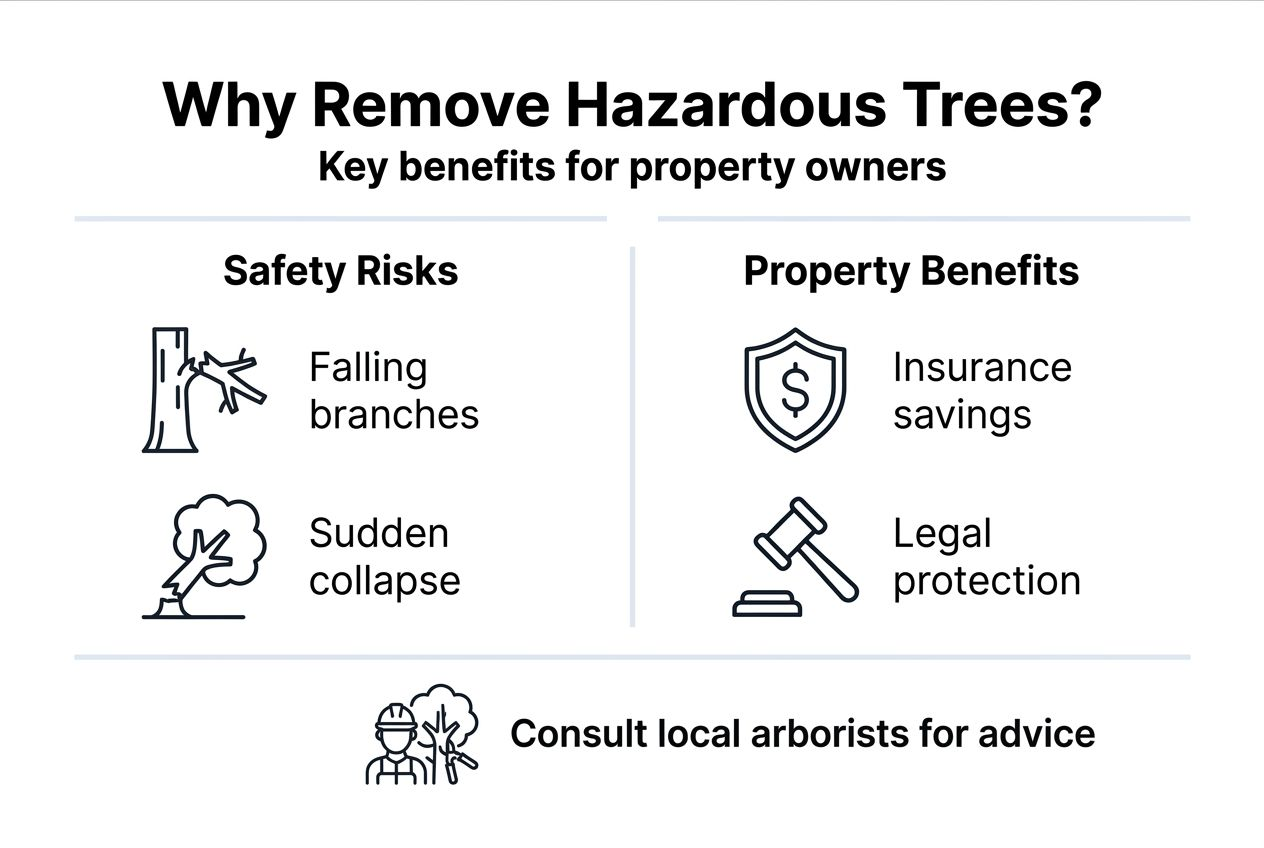
Personal safety and property damage constitute the most immediate concerns. Falling limbs or complete tree failures cause severe injuries requiring hospitalization, structural damage to homes and vehicles, and utility infrastructure disruption. Storm events dramatically increase failure probability for compromised trees, turning manageable risks into emergencies.
Disease transmission represents a critical ecological impact often overlooked. Infected palms release millions of spores that wind and rain distribute to nearby vegetation, creating expanding infection zones. A single diseased palm threatens every susceptible tree within several hundred feet, potentially devastating entire landscapes over multiple seasons.
Community biohazard risks escalate when infected trees remain standing:
- Spore proliferation increases exponentially as fungal bodies mature
- Neighboring properties face contamination from airborne pathogens
- Property values decline across affected areas as infection spreads
- Municipal removal costs burden taxpayers when private neglect creates public hazards
- Legal liability transfers to property owners aware of hazardous conditions
Proper disposal prevents pathogen proliferation beyond removal sites. Professional services employing hazardous tree removal services understand contamination protocols, ensuring infected material reaches approved facilities rather than recycling centers where spores could spread.
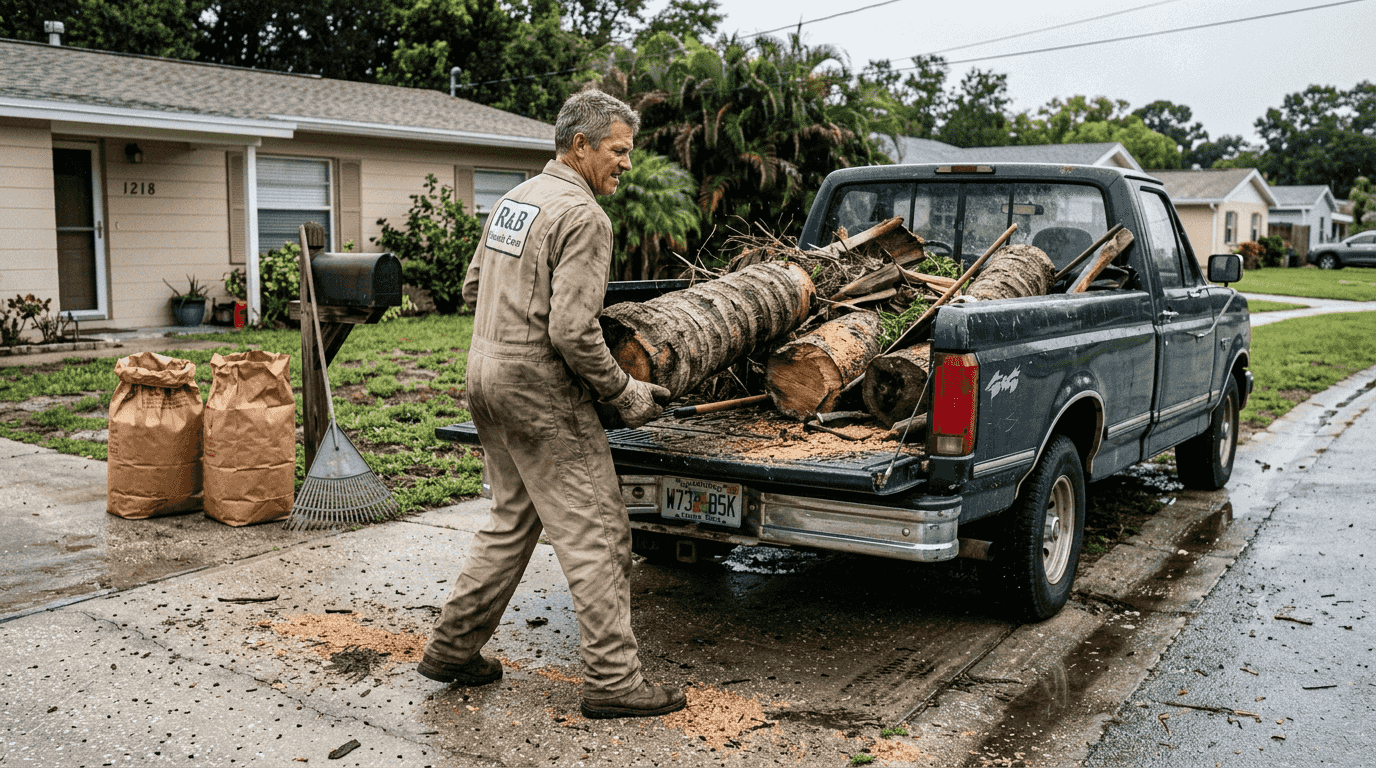
Legal liability arises when negligent property owners fail addressing known hazards. Courts consistently find homeowners liable for damages when falling trees or limbs injure people or damage property, particularly when evidence shows awareness of dangerous conditions. Documentation of regular inspections and timely removal protects you legally and financially.
Pro Tip: Photograph documented hazards and maintain inspection records demonstrating due diligence in tree maintenance, creating legal protection should incidents occur despite preventive measures.
Financial and legal incentives for removing hazardous trees
Financial and legal factors create compelling incentives for proactive hazardous tree removal beyond safety considerations alone. Understanding these economic realities helps prioritize maintenance budgets and prevent costly consequences.
Insurance companies recognize property risk reduction following hazardous tree removal. Removing hazardous trees correlates with 5-10% reduced property insurance premiums in Central Florida markets where storm damage claims drive underwriting decisions. Insurers increasingly require hazardous tree assessments during policy renewals, particularly for properties in high-wind zones or areas with documented storm damage history.
| Benefit Category | Typical Value Range | Timeline |
|---|---|---|
| Insurance premium reduction | 5-10% annually | Immediate upon documentation |
| Property value protection | $2,000-$8,000 per tree | Realized at sale |
| Avoided damage costs | $5,000-$50,000+ per incident | Ongoing prevention |
| Legal liability reduction | Unlimited potential savings | Continuous protection |
Maintaining healthy trees supports higher property values through multiple mechanisms. Mature, well-maintained landscapes add 7-15% to residential property values according to real estate studies. Conversely, visible hazardous trees signal deferred maintenance, triggering buyer concerns about broader property neglect. Removing dangerous specimens while preserving healthy trees optimizes aesthetic and financial outcomes.
Key financial protection benefits include:
- Preventing emergency removal costs that exceed planned removal by 200-400%
- Avoiding structural repairs from tree-related property damage
- Eliminating medical liability from injuries caused by tree failures
- Protecting neighboring relationships and preventing legal disputes
Failure to remove trees near your house creates escalating legal exposure. Homeowners face liability for damages when trees fall onto neighboring properties, regardless of storm conditions, if evidence shows prior knowledge of hazardous conditions. Courts examine inspection records, documented complaints, and visible warning signs when determining negligence.
Understanding neighbors tree liability protects you from claims while clarifying your rights regarding dangerous trees originating on adjacent properties. Legal precedent strongly favors proactive removal over reactive damage control, making documentation and timely action essential liability management strategies.
Pro Tip: Request written confirmation from your insurance provider specifying premium reductions following hazardous tree removal, ensuring you receive documented savings and creating incentive for comprehensive property tree assessments.
How to approach hazardous tree removal safely and effectively
Safe, effective hazardous tree removal requires systematic evaluation, professional expertise, and regulatory compliance. Following structured approaches protects property, prevents contamination, and ensures legal compliance.
Regular assessment forms the foundation of proactive tree management. Schedule professional evaluations every 12-18 months, with additional inspections following severe weather events. Certified arborists identify subtle warning signs homeowners miss, including internal decay, root plate movement, and early fungal infections requiring immediate attention.
Hiring certified professionals ensures safe, code-compliant removal that DIY approaches cannot achieve:
- ISA-certified arborists understand species-specific risks and removal techniques
- Licensed contractors carry comprehensive liability insurance protecting property owners
- Professional equipment enables controlled removal preventing property damage
- Regulatory knowledge ensures permit compliance and proper disposal
- Safety protocols minimize injury risks during complex removal operations
Complete removal of infected palms, including roots, is essential when Ganoderma appears. Once a palm is infected with Ganoderma, removal including trunk, stump, and roots is the only cure. Partial removal leaves infected tissue that continues producing spores, negating safety and ecological benefits while wasting removal investment.
“Attempting to save infected palms through treatment wastes resources while endangering surrounding vegetation. Complete removal within 30 days of diagnosis prevents disease establishment in nearby susceptible species.”
Proper disposal prevents cross-contamination that undermines removal benefits. Infected material requires transportation to approved facilities equipped for pathogen destruction, not standard recycling centers where grinding spreads spores. Professional services specializing in hazardous tree removal in Orlando understand disposal protocols, ensuring complete disease elimination.
Local regulations govern tree removal services through permits, protected species designations, and disposal requirements. Orange County and surrounding municipalities require permits for trees exceeding specific diameters, with additional restrictions in historic districts and conservation areas. Violations carry substantial fines and potential removal reversal orders, making regulatory compliance essential.
Follow these systematic steps for effective hazardous tree management:
- Document current tree conditions through photographs and written descriptions
- Obtain professional evaluation from ISA-certified arborist
- Secure required permits before beginning removal work
- Verify contractor licensing, insurance, and disposal protocols
- Confirm complete removal including stump grinding when disease present
- Request written disposal documentation for infected material
- Schedule follow-up inspections of remaining trees
Professional hazardous tree removal services in Central Florida
Protecting your Central Florida property investment requires expert evaluation and removal services that ensure safety, regulatory compliance, and complete disease elimination. McCullough Tree Service delivers comprehensive solutions addressing immediate hazards while protecting long-term landscape health.
Their certified arborists provide detailed hazard assessments identifying risks invisible to untrained observers, from internal decay to early fungal infections requiring immediate intervention. Professional hazardous tree removal services reduce liability exposure while ensuring complete pathogen elimination through proper disposal protocols.
Comprehensive removal includes stump grinding when disease threatens surrounding vegetation, preventing recontamination from residual infected tissue. Their team navigates permitting requirements and coordinates with local authorities, eliminating compliance headaches while ensuring legal protection. Beyond removal, tree removal services extend to landscape restoration and ongoing maintenance planning.
Additional tree care options improve overall property health through strategic trimming, disease prevention, and aesthetic enhancement. Understanding tree care 101 trimming vs pruning techniques helps maintain healthy specimens while removing genuine threats. Contacting professionals represents a proactive investment protecting safety, property value, and community health.
FAQ
How do I know if a tree is hazardous to my property?
Look for warning signs including trunk cracks, shelf-like fungal growth, significant lean with exposed roots, dead branches exceeding 2 inches diameter, or soft spots in palm trunks indicating internal decay. Professional inspections by certified arborists confirm risk levels through specialized equipment detecting internal conditions invisible externally. Schedule evaluations every 12-18 months and after severe storms to identify dangerous tree signs before failures occur.
Can removing hazardous trees reduce my property insurance premiums?
Yes, many Central Florida insurers reduce premiums by 5-10% following documented hazardous tree removal, recognizing decreased property damage risk. Contact your insurance provider with removal documentation and professional inspection reports confirming eliminated hazards. Premium reductions typically apply immediately upon policy renewal, creating ongoing financial benefits that offset removal costs over several years.
What should be done if a palm tree is infected with Ganoderma?
Immediate complete removal including trunk, stump, and roots is essential because once infected, palms must be removed entirely to prevent disease spread to nearby susceptible species. No treatments cure Ganoderma infections. Attempting to save infected palms wastes resources while endangering surrounding vegetation through continued spore production. Professional removal within 30 days of diagnosis prevents disease establishment in healthy trees, protecting landscape investment and property value.
Is it safe to remove hazardous trees myself?
DIY hazardous tree removal creates extreme injury and property damage risks that professional equipment and training prevent. Certified arborists understand species-specific failure patterns, possess specialized rigging equipment for controlled removal, and carry comprehensive liability insurance protecting property owners from accident costs. Professionals ensure compliance with local permit requirements and proper disposal protocols, particularly critical when disease contamination threatens community health. Hiring experts for safe hazardous tree removal protects you legally and financially.
Recommended
- 7 Key Benefits of Professional Tree Removal for Homeowners
- Tree Pruning Importance: Key Benefits Explained
- Why You Should Remove Trees Near Your House
- Why Remove Dead Trees: Safety and Landscape Value