By: Shelby McCullough| Published: February 12, 2026
Shaping a thriving, beautiful landscape in Central Florida often starts with one key step—strategic tree pruning by certified arborists. Trees in cities face crowded spaces, unexpected storms, and pest risks that can threaten both safety and curb appeal. Learning how proper pruning encourages strong structure, prevents disease, and reduces storm hazards empowers homeowners to protect their investment and enjoy healthy, attractive trees for years to come.
Table of Contents
- What Pruning Is And Why It Matters
- Types Of Tree Pruning And Their Effects
- Health, Safety, And Storm Protection Benefits
- Legal And Regulatory Rules In Florida
- Common Pruning Mistakes To Avoid
Key Takeaways
| Point | Details |
|---|---|
| Understanding Pruning | Pruning is essential for tree health, improving structure, and enhancing growth in Central Florida’s unique urban environment. |
| Types of Pruning Techniques | Familiarize yourself with techniques like cleaning, thinning, and raising to address specific growth and aesthetic goals. |
| Health and Safety Benefits | Regular pruning reduces hazards from falling branches and improves tree resilience against storms, essential for property protection. |
| Avoiding Common Mistakes | Be aware of common pruning errors, such as over-pruning and improper cutting, to ensure tree health and longevity. |
What Pruning Is And Why It Matters
Tree pruning is a sophisticated horticultural practice involving strategic removal of specific plant parts to enhance overall tree health and structural integrity. At its core, pruning represents a deliberate intervention designed to improve tree form and growth by selectively removing branches, stems, and foliage.
Pruning serves multiple critical purposes for Central Florida homeowners. The primary objectives include:
- Training young trees to develop strong structural foundations
- Removing damaged, diseased, or potentially hazardous branches
- Improving air circulation and sunlight penetration through the canopy
- Controlling tree size and shape for aesthetic and practical reasons
- Promoting healthier growth and reducing potential safety risks
In urban environments like Central Florida, trees face unique challenges that make professional pruning even more essential. Urban conditions often limit natural tree growth, requiring strategic interventions to maintain tree health and structural stability. Professional pruning helps trees adapt to confined spaces, resist storm damage, and minimize potential risks to property and people.
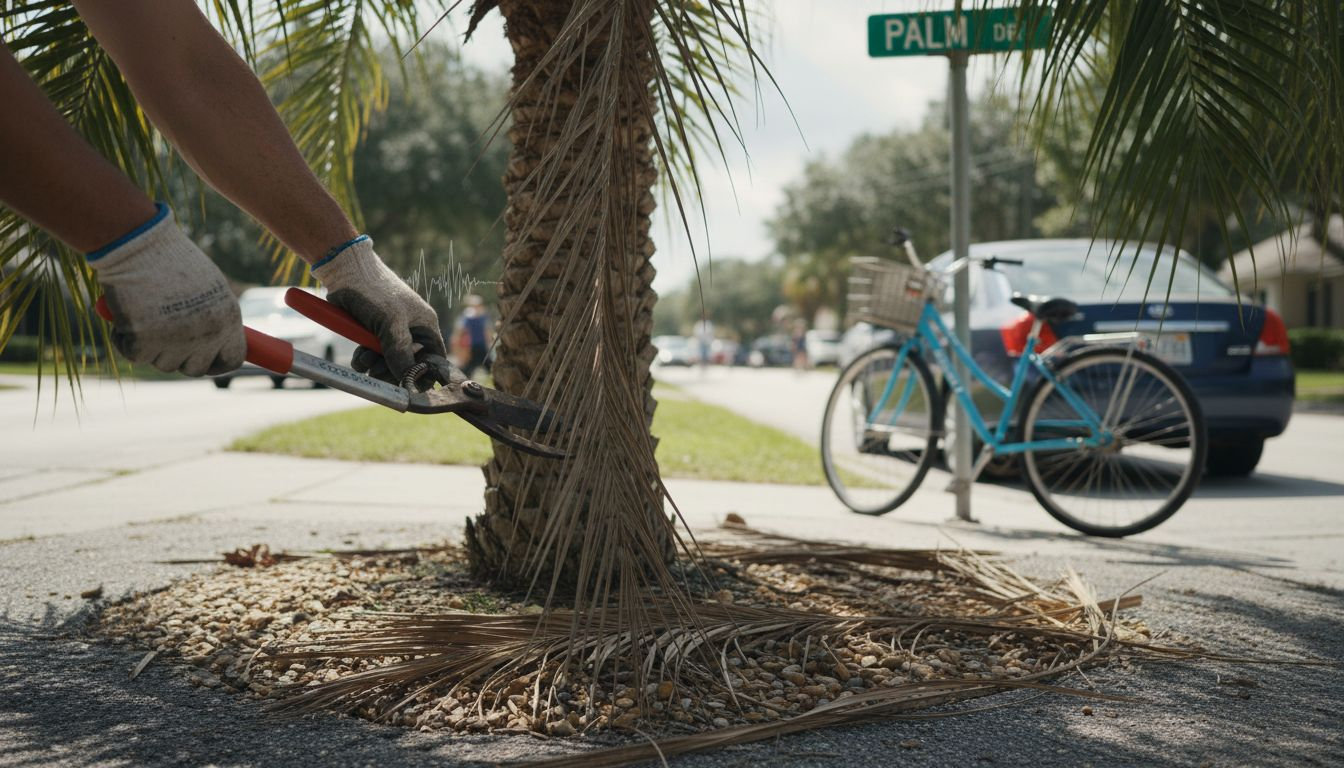
Pro tip: Always hire certified arborists for complex pruning tasks to ensure proper technique and minimize potential tree damage.
Types Of Tree Pruning And Their Effects
Tree pruning is not a one-size-fits-all approach, but rather a nuanced practice with several specialized techniques designed to address specific tree health and aesthetic goals. Pruning methods vary based on tree species, age, and desired outcomes, each targeting different aspects of tree development and maintenance.
The primary types of tree pruning include:
- Cleaning: Removing dead, diseased, or damaged branches to prevent potential spread of disease and improve overall tree health
- Thinning: Strategically removing select branches to enhance air circulation and light penetration through the tree’s canopy
- Raising: Eliminating lower branches to provide clearance for buildings, walkways, or vehicles
- Reduction: Decreasing the tree’s overall size or weight to manage growth and minimize potential safety risks
- Heading: Cutting branch tips to encourage denser, more compact growth
Each pruning technique serves a unique purpose in maintaining tree health and structural integrity. Proper pruning methods significantly impact tree vigor and appearance, with different approaches recommended for various tree types and growth stages. In Central Florida’s unique climate, understanding these techniques becomes crucial for maintaining healthy, resilient trees that can withstand local environmental challenges.
Here’s a quick comparison of common tree pruning techniques and their best use cases:
| Pruning Type | Typical Goal | Best For |
|---|---|---|
| Cleaning | Remove hazards and disease | All tree ages, routine upkeep |
| Thinning | Improve airflow and light | Mature trees in dense areas |
| Raising | Increase ground clearance | Trees near sidewalks, driveways |
| Reduction | Control size and risk | Large species near structures |
| Heading | Shape tree’s appearance | Ornamental and young trees |
Pro tip: Consult a certified arborist to determine the most appropriate pruning technique for your specific tree species and landscape conditions.
Health, Safety, And Storm Protection Benefits
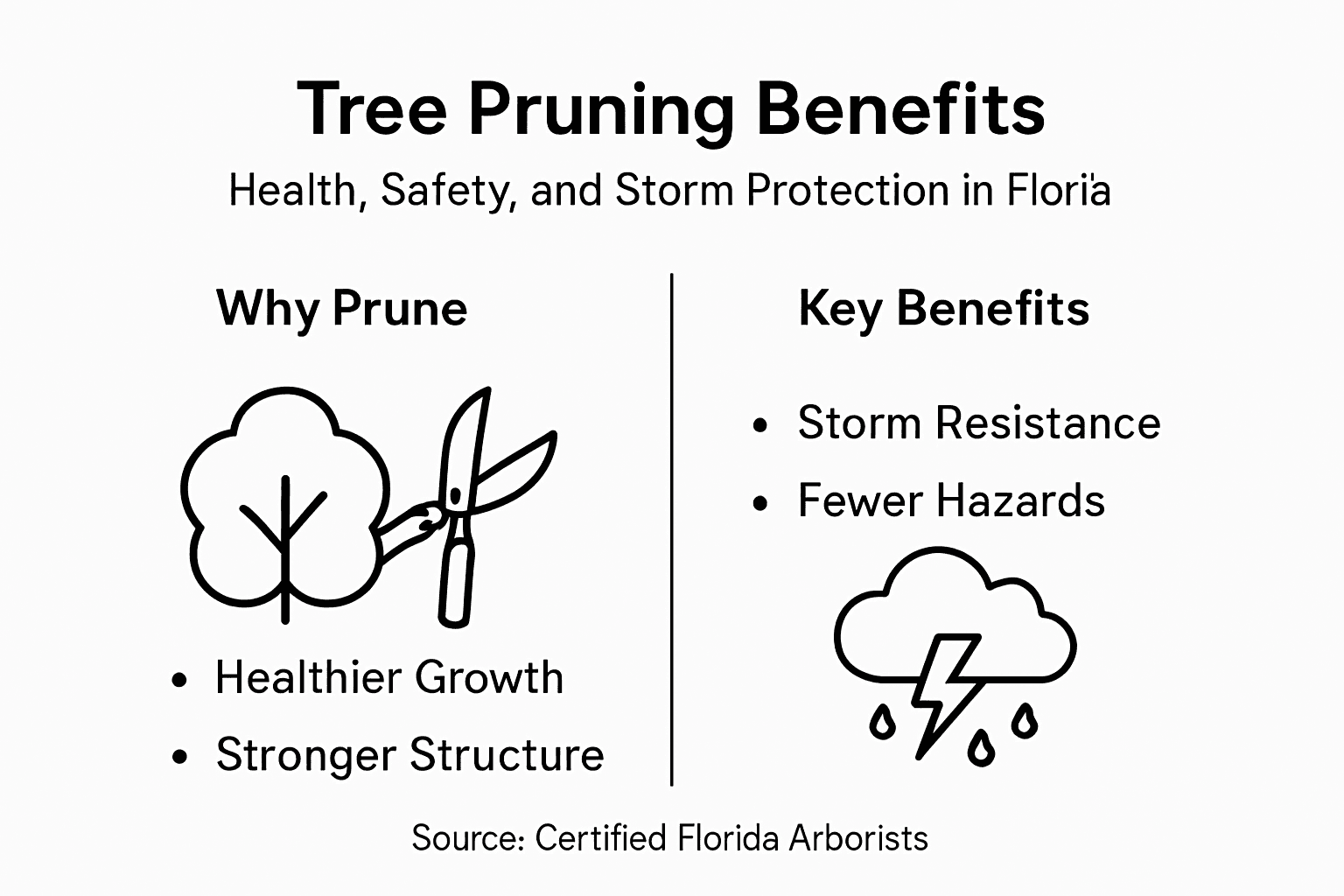
Preventive pruning plays a critical role in protecting homes and landscapes from potential hazards in Central Florida’s challenging environment. By strategically removing weak, damaged, or overgrown branches, homeowners can significantly reduce risks associated with falling limbs and storm damage.
The key health and safety benefits of professional tree pruning include:
- Hazard Reduction: Eliminating dead, weak, or diseased branches that could fall during storms
- Wind Resistance: Reducing branch weight and canopy density to minimize potential storm damage
- Structural Integrity: Promoting stronger tree growth and preventing potential limb failure
- Disease Prevention: Removing infected or damaged branches to stop disease spread
- Property Protection: Minimizing risks to buildings, vehicles, and personal property
Proactive pruning is especially crucial in Central Florida, where hurricanes and severe storms pose significant risks to residential landscapes. Proper tree maintenance helps improve overall tree stability and storm readiness, ensuring that trees can better withstand extreme weather conditions. By investing in regular professional pruning, homeowners can protect their property, reduce potential liability, and maintain the health and appearance of their landscape.
Pro tip: Schedule professional tree pruning before hurricane season to maximize your landscape’s resilience and minimize potential storm-related damage.
Legal And Regulatory Rules In Florida
Florida’s tree pruning regulations provide unique protections for homeowners, establishing clear guidelines about property owners’ rights and responsibilities. These laws are designed to balance public safety with individual property management, offering homeowners significant flexibility in maintaining their landscape.
Key legal considerations for tree pruning in Florida include:
- Permit Exemptions: Local governments cannot require permits for tree pruning on residential properties
- Professional Documentation: Arborist certification is crucial for proving tree risk
- Risk Assessment: Property owners must demonstrate potential hazards through professional evaluation
- Residential Property Focus: Regulations specifically protect homeowners’ tree maintenance rights
- Liability Protections: Clear legal framework for tree removal and pruning
Specific legislative provisions protect homeowners from unnecessary regulatory barriers, ensuring that certified arborist assessments can override local government restrictions. This means that if a professional documents an unacceptable risk, property owners can proceed with tree pruning or removal without additional bureaucratic hurdles.
Pro tip: Always obtain a written assessment from a certified arborist to document tree risks and protect yourself legally when conducting tree maintenance.
Common Pruning Mistakes To Avoid
Tree pruning requires precision and understanding to prevent potentially devastating damage to your landscape. Central Florida homeowners must be aware of common mistakes that can compromise tree health, structural integrity, and long-term growth potential.
The most critical pruning mistakes to avoid include:
- Over-Pruning: Removing too much live wood, which weakens the tree’s natural defense mechanisms
- Improper Cutting Techniques: Making cuts that damage the branch collar or leave vulnerable entry points for disease
- Incorrect Timing: Pruning at inappropriate seasons that increase susceptibility to pest infestations
- Topping Trees: Cutting main branches back to stubs, which causes weak regrowth and structural damage
- Lion-Tailing: Removing interior branches, creating unbalanced weight distribution
Successful pruning demands knowledge of plant growth responses and species-specific characteristics, requiring careful planning and understanding of each tree’s unique growth patterns. Improper techniques can lead to long-term health issues, reduced tree vigor, and potentially catastrophic structural failures.
Below is a summary of common pruning mistakes and the risks they pose:
| Mistake | Potential Risk | Resulting Issue |
|---|---|---|
| Over-Pruning | Reduces growth and defense | Weakened tree and slow recovery |
| Improper Cutting | Disease entry points | Higher infection risk |
| Bad Timing | Increased pest exposure | Damage from insects or fungus |
| Topping | Causes poor regrowth | Weak structure, breakage risk |
| Lion-Tailing | Unbalanced tree weight | Storm vulnerability |
Pro tip: When in doubt about pruning techniques, consult a certified arborist to ensure proper tree care and minimize potential damage.
Protect and Enhance Your Central Florida Trees with Expert Pruning
Tree pruning is essential for maintaining the health and safety of your landscape, especially in Central Florida where storm risks and urban challenges are real concerns. If you want to avoid common pruning mistakes like over-pruning or topping and ensure your trees stay strong against hurricanes and pests, professional care is the key. McCullough Tree Service offers certified arborist expertise to manage cleaning, thinning, raising, and reduction pruning techniques tailored for your trees’ unique needs.
Don’t wait until storm season to realize your trees need attention. Take action now to protect your property and boost your landscape’s beauty and resilience. Contact McCullough Tree Service today for a health assessment or expert pruning service. Visit McCullough Tree Service to learn more about how our licensed professionals deliver safe, reliable, and compliant tree care. Start safeguarding your home by scheduling your service or requesting a free estimate now.
Frequently Asked Questions
What are the main benefits of pruning trees?
Pruning trees enhances their health, improves structural integrity, and reduces risks associated with hazardous branches. It also allows better air circulation and sunlight penetration, promoting overall tree growth.
When is the best time to prune trees?
The best time to prune trees is typically during the dormant season, in late winter or early spring, to minimize stress and reduce susceptibility to pests and diseases.
How often should I prune my trees?
Trees should be pruned at least once a year for maintenance, but the frequency may vary based on tree species, age, and specific health concerns. Consulting with a certified arborist can provide tailored advice.
Can I prune my trees myself, or should I hire a professional?
While minor pruning tasks can be done by homeowners, it’s best to hire a certified arborist for complex pruning. They have the knowledge and tools to ensure proper techniques are used to avoid damaging the tree.
Recommended
- Tree Pruning Importance: Key Benefits Explained
- Role of Tree Trimming in Central Florida Landscapes
- Pruning Trees: Essential Tips and Benefits
- Tree Planting Considerations for Central Florida Homes
- Tree Service Orlando FL
- Tree Service Winter Springs FL