By: Shelby McCullough| Published: February 3, 2026
Urban property projects in Central Florida face mounting pressure to balance rapid growth with environmental sustainability. Developers and planners are increasingly challenged to protect green spaces while navigating complex infrastructure demands. Embracing the expertise of certified arborists brings together both ecological vision and practical solutions, helping cities benefit from resilient tree systems that enhance air quality, boost biodiversity, and reduce urban heat effects. This article highlights sustainable tree care integration, practical guidance, and strategies for optimizing green infrastructure in modern urban development.
Table of Contents
- Defining Arborists In Urban Development
- Certified Arborists: Qualifications And Standards
- Tree Selection And Placement Strategies
- Arborists’ Role In Storm Recovery And Safety
- Legal Compliance And Risk Management
- Sustainability And Urban Ecosystem Enhancement
Key Takeaways
| Point | Details |
|---|---|
| Role of Arborists | Arborists are essential for managing urban trees, ensuring sustainable development while maintaining ecological balance. |
| Certification Importance | Certified arborists demonstrate professional excellence and commitment to environmental stewardship through rigorous training and continuous education. |
| Strategic Tree Placement | Proper tree selection and placement can mitigate urban challenges, enhance aesthetics, and maximize ecological benefits. |
| Storm Recovery Expertise | Arborists play a vital role in storm recovery, assessing damage and implementing restoration strategies that prioritize safety and ecological integrity. |
Defining Arborists in Urban Development
Arborists are specialized professionals dedicated to the cultivation, management, and preservation of trees within urban landscapes. Their role extends far beyond simple tree maintenance, encompassing complex ecological and developmental strategies that transform city environments.
In urban development contexts, arborists serve as critical intermediaries between construction projects and environmental sustainability. They provide essential expertise in managing tree protection during urbanization, ensuring that development processes minimize ecological disruption while maintaining green infrastructure.
Key responsibilities of urban arborists include:
- Conducting comprehensive tree health assessments
- Developing strategic planting and preservation plans
- Implementing tree protection protocols during construction
- Advising developers on sustainable landscaping techniques
- Monitoring urban forest biodiversity and ecosystem health
Urban forests represent more than aesthetic elements – they are complex ecological systems providing numerous environmental benefits. These professionals understand how strategic tree placement and management can mitigate urban heat island effects, improve air quality, and support local wildlife habitats.
Arborists are environmental engineers who transform concrete jungles into sustainable, green urban ecosystems.
Urban development strategies increasingly recognize arborists as essential team members who bridge environmental conservation with architectural progress. Their expertise ensures that cities grow responsibly, maintaining ecological balance while supporting human infrastructure needs.
Here is a summary of how arborists contribute to various stages of urban development:
| Urban Development Stage | Arborist’s Role | Key Benefits |
|---|---|---|
| Planning & Design | Advise tree selection and placement | Reduces future infrastructure conflicts |
| Construction | Implement tree protection protocols | Minimizes ecological damage |
| Post-Construction | Monitor and maintain urban forests | Improves long-term city resilience |
| Emergency & Recovery | Coordinate storm response and restoration | Protects public safety and green assets |
Pro tip: Always consult a certified arborist before initiating any significant urban development or landscaping project to ensure environmental sustainability and regulatory compliance.
Certified Arborists: Qualifications and Standards
Certified arborists represent the gold standard of professional tree care expertise, combining extensive technical knowledge with rigorous professional credentials. Professional certification through recognized organizations ensures that these specialists meet comprehensive industry standards and maintain the highest levels of professional competence.
To become a certified arborist, professionals must navigate a structured pathway involving education, experience, and comprehensive examination. The International Society of Arboriculture (ISA) certification process requires candidates to demonstrate proficiency in multiple critical areas:
- Tree biology and identification
- Soil science and tree nutrition
- Pruning and maintenance techniques
- Safety protocols and risk management
- Urban forestry principles
- Pest and disease management
- Legal and environmental regulations
The certification process is designed to be both challenging and thorough. Applicants must demonstrate comprehensive arboricultural knowledge through a combination of practical experience and academic preparation. Typically, candidates need either a minimum of three years of documented professional work experience or a relevant academic degree in arboriculture, forestry, horticulture, or a related field.
Certification is not just a credential – it’s a commitment to professional excellence and environmental stewardship.
Beyond initial certification, professionals must engage in continuous learning. Certified arborists are required to complete ongoing education credits every three years, ensuring they remain current with evolving industry practices, technological advancements, and environmental management strategies.
Specialized certifications also exist for arborists focusing on specific domains such as municipal forestry, utility vegetation management, and tree risk assessment. These advanced credentials demonstrate a deeper level of expertise and commitment to professional development.
Compare these common arborist certifications and their unique focus areas:
| Certification Type | Issuing Organization | Primary Focus |
|---|---|---|
| ISA Certified Arborist | International Society of Arboriculture | General tree care and urban forestry |
| Municipal Specialist | ISA | City-specific forest management |
| Utility Specialist | ISA | Powerline vegetation and risk |
| Tree Risk Assessor | ISA | Hazard assessment and mitigation |
Pro tip: When hiring an arborist, always verify their current certification status and ask about their specialized training and recent continuing education accomplishments.
Tree Selection and Placement Strategies
Urban tree selection is a sophisticated process that requires careful consideration of multiple environmental and infrastructural factors. Selecting appropriate tree species for urban landscapes demands comprehensive understanding of local geography, soil conditions, and potential development challenges.
Arborists recommend evaluating several critical factors when determining tree placement and selection:
- Mature tree size and potential growth patterns
- Root system characteristics and underground infrastructure
- Soil composition and drainage capabilities
- Local climate and microclimate conditions
- Proximity to buildings, utilities, and pedestrian areas
- Potential environmental and aesthetic benefits
- Long-term maintenance requirements
The strategic placement of trees involves more than aesthetic considerations. Urban environments present unique challenges that require precise planning to ensure tree health and minimize potential infrastructure conflicts. Trees must be positioned to maximize shade, improve air quality, and contribute to the overall ecosystem while avoiding potential damage to sidewalks, underground utilities, and structural foundations.
Successful urban tree placement balances ecological benefits with practical infrastructure considerations.
Specialized placement techniques involve understanding the intricate relationships between tree species, soil conditions, and urban infrastructure. Arborists employ advanced assessment methods to predict potential growth patterns, root expansion, and potential interaction with surrounding urban elements.
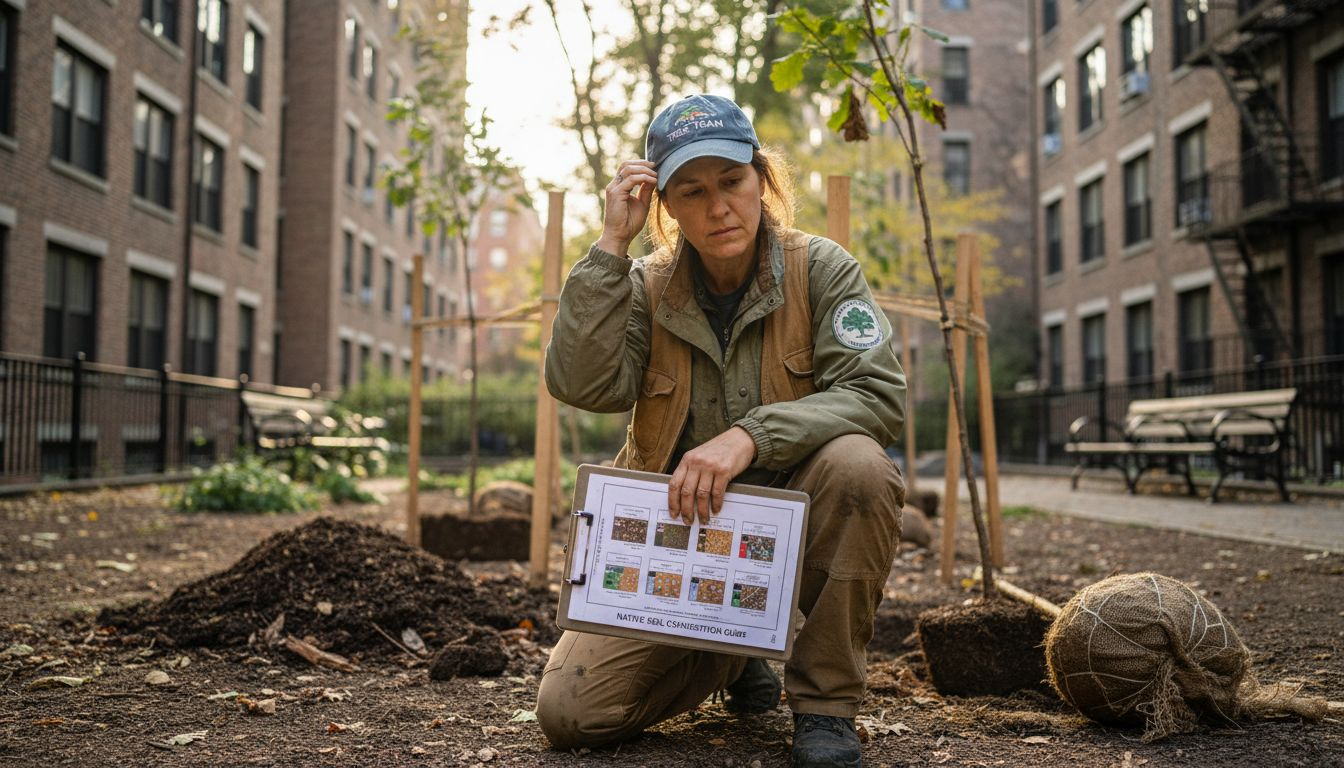
Professional tree selection also considers long-term sustainability. Native Florida species often provide the most resilient and adaptable options, requiring less maintenance and demonstrating greater resistance to local environmental stressors.
Pro tip: Consult a certified arborist before finalizing tree placement to assess potential risks and optimize ecological and aesthetic benefits.
Arborists’ Role in Storm Recovery and Safety
Storm recovery demands specialized expertise that goes far beyond simple tree removal. Emergency response protocols for storm-damaged trees require comprehensive assessment, strategic planning, and precise execution to ensure public safety and minimize long-term environmental damage.
Arborists play a critical role in post-storm recovery through multiple essential functions:
- Rapid damage assessment of urban tree populations
- Identifying structurally compromised trees and potential hazards
- Determining which trees can be rehabilitated versus those requiring removal
- Implementing emergency pruning and stabilization techniques
- Coordinating with municipal emergency response teams
- Developing strategic recovery plans for urban forest restoration
- Mitigating risks to infrastructure and public spaces
Professional storm response involves a systematic approach that prioritizes human safety while preserving as much urban tree infrastructure as possible. Arborists must quickly evaluate complex damage scenarios, distinguishing between trees that can be saved and those presenting immediate risks to surrounding environments.
Storm recovery is a delicate balance between public safety, environmental preservation, and rapid response.
Emergency rescue techniques represent another critical dimension of arborists’ storm recovery responsibilities. Certified professionals undergo extensive training in aerial rescue, first aid, and emergency management to handle potentially dangerous post-storm scenarios effectively.
Beyond immediate recovery, arborists contribute to long-term urban resilience by developing proactive strategies that reduce future storm vulnerabilities. This includes recommending strategic pruning, selecting storm-resistant tree species, and creating comprehensive urban forest management plans.
Pro tip: Maintain a professional arborist’s emergency contact information and develop a pre-storm assessment plan to minimize potential damage and accelerate recovery.
Legal Compliance and Risk Management
Legal compliance represents a critical foundation for professional arborists operating in urban development environments. Arborist safety standards and regulatory frameworks provide comprehensive guidelines that protect both professionals and the public during tree management operations.
Key legal and regulatory considerations for arborists include:
- Adherence to Occupational Safety and Health Administration (OSHA) regulations
- Compliance with ANSI Z133 safety requirements
- Proper certification and licensing documentation
- Mandatory safety equipment and training protocols
- Comprehensive risk assessment documentation
- Professional liability insurance coverage
- Strict equipment maintenance and inspection standards
Professional liability extends beyond simple regulatory compliance. Arborist licensing efforts in Florida emphasize creating robust frameworks that recognize professional expertise and promote sustainable practices while protecting public safety.
Legal compliance is not just about following rules – it’s about creating a culture of safety and professional excellence.
Risk management strategies require arborists to implement comprehensive documentation processes, maintain rigorous safety training, and continuously update their understanding of evolving legal standards. This proactive approach helps mitigate potential legal vulnerabilities and demonstrates professional commitment to industry best practices.
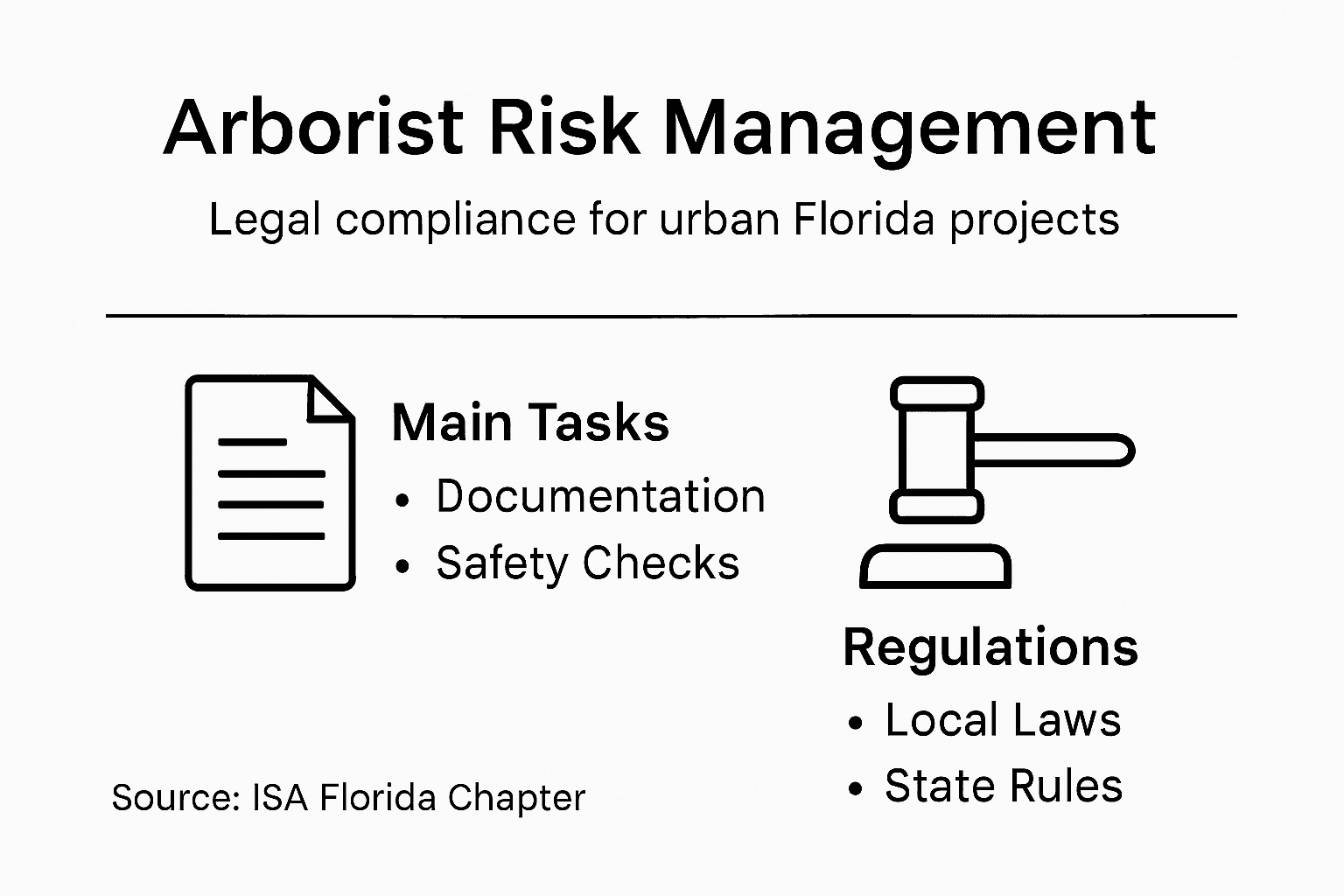
Certified arborists must navigate complex regulatory landscapes that intersect municipal ordinances, state regulations, and federal safety standards. Their ability to interpret and implement these multifaceted requirements distinguishes true professionals from amateur practitioners.
Pro tip: Maintain meticulous documentation of all safety training, equipment inspections, and risk assessments to protect your professional credentials and minimize legal exposure.
Sustainability and Urban Ecosystem Enhancement
Urban ecosystem management represents a sophisticated approach to transforming city landscapes into resilient, environmentally adaptive spaces. Sustainable urban forestry practices focus on creating dynamic ecosystems that can withstand increasing environmental challenges while providing critical ecological services.
Key strategies for sustainable urban ecosystem enhancement include:
- Implementing climate-resilient tree species selection
- Developing water-efficient irrigation systems
- Creating diverse urban forest compositions
- Integrating green infrastructure networks
- Promoting community environmental education
- Establishing multi-stakeholder ecological partnerships
- Designing adaptive landscape management protocols
Climate adaptation requires a comprehensive understanding of local environmental dynamics. Urban forestry must proactively address climate change stressors by selecting tree species capable of thriving under increasingly challenging environmental conditions.
Sustainable urban ecosystems are living networks that balance human infrastructure with ecological resilience.
Professional arborists play a crucial role in developing these adaptive strategies. They combine scientific knowledge, technological insights, and practical experience to design urban landscapes that can effectively respond to changing environmental conditions while maintaining aesthetic and functional qualities.
Successful urban ecosystem enhancement goes beyond simple tree planting. It requires a holistic approach that considers soil health, species diversity, water management, and long-term ecological interactions. Arborists serve as critical architects of these complex environmental systems.
Pro tip: Prioritize native tree species and develop comprehensive, multi-year ecosystem management plans that anticipate future environmental challenges.
Expert Arborist Services Supporting Urban Florida Development
Urban development in Florida presents unique challenges such as protecting existing trees during construction, selecting the right species for long-term resilience, and managing storm recovery efficiently. The article highlights the vital role of certified arborists in balancing sustainable growth with environmental safety. If you are a property owner facing these complexities you need trusted professionals who understand soil conditions, legal compliance, and ecosystem enhancement specific to Central Florida.
McCullough Tree Service offers comprehensive solutions including expert tree health assessments, strategic tree planting, emergency storm cleanup, and ongoing maintenance—all performed by certified arborists with the knowledge to support your urban landscaping goals. Our team ensures compliance with safety standards and employs advanced techniques that safeguard your investment and neighborhood environment.
Ready to elevate your property’s tree care with licensed professionals committed to long-term sustainability? Discover our full range of arborist services and see how we transform urban landscapes into thriving green spaces.
Take the first step today by contacting us for a personalized consultation. Trust McCullough Tree Service to protect your trees, enhance your property, and help your urban development project succeed with expert care you can rely on.
Frequently Asked Questions
What is the role of urban arborists in city development?
Urban arborists are essential professionals focused on the cultivation, management, and preservation of trees in urban environments. They ensure that development projects maintain green infrastructure while minimizing ecological disruption.
How do certified arborists contribute to environmental sustainability?
Certified arborists are trained to implement tree protection protocols, assess tree health, and advise on sustainable landscaping techniques. Their expertise helps balance urban growth with environmental stewardship, enhancing ecosystem health.
Why is proper tree selection important in urban development?
Proper tree selection is critical to avoid future infrastructure conflicts and ensure tree health. Arborists evaluate factors like tree size, soil conditions, and local climate to choose species that thrive in urban settings and provide ecological benefits.
How do arborists assist in storm recovery and tree safety?
In storm recovery, arborists assess tree damage, identify hazards, and develop recovery plans. They implement emergency response protocols to ensure public safety while preserving urban tree infrastructure whenever possible.
Recommended
- Role of Arborists in Landscaping Success for Florida
- Arborist Certification – Why It Matters in Florida
- Role of Arborists in Safety: Protecting Orlando Properties
- What Is Tree Removal and Its Impact in Florida
- Tree Service Orlando FL
- Tree Service Winter Springs FL