By: Shelby McCullough| Published: January 11, 2026
Most American homeowners in Central Florida underestimate the risk that damaged or unstable trees pose after powerful storms. Every year, thousands of Orlando properties face serious safety concerns from falling branches and hidden tree decay. Certified arborists step in with expert assessments, using advanced techniques to protect your investment and family. Discover how professional tree safety management not only prevents costly damage but also brings peace of mind for property owners and managers.
Table of Contents
- What Arborists Do For Tree Safety
- Types Of Safety Risks Arborists Address
- Certified Arborist Qualifications And Standards
- Arborist Practices For Storm Damage Prevention
- Liability, Compliance, And Common Mistakes
Key Takeaways
| Point | Details |
|---|---|
| Importance of Arborists | Arborists are essential for tree safety management, assessing tree health and risks to prevent property damage. |
| Safety Risk Management | Arborists address various safety risks, including electrical hazards and structural failures, using specialized training and mitigation strategies. |
| Certification Necessity | Hiring certified arborists ensures compliance with safety standards and reduces liability risks for property owners. |
| Proactive Storm Preparedness | Routine tree assessments and maintenance help prevent storm-related damage and ensure the safety of properties during extreme weather. |
What Arborists Do for Tree Safety
Arborists play a critical role in protecting Orlando properties through comprehensive tree safety management. These specialized professionals assess tree health and structural risks to prevent potential damage and hazards. Their expertise goes far beyond simple tree maintenance, encompassing detailed evaluations of tree stability, disease detection, and strategic risk mitigation.
Professional arborists conduct thorough inspections that involve multiple safety assessment techniques. They systematically examine tree structures, root systems, branch integrity, and overall tree health. By identifying potential weaknesses such as decay, structural cracks, disease symptoms, and unstable limbs, arborists can recommend precise interventions before minor issues escalate into significant property risks. These interventions might include targeted pruning, strategic branch removal, cabling support systems, or in some cases, complete tree removal to protect surrounding structures.
Beyond physical tree management, certified arborists provide critical documentation and risk assessment reports that can be crucial for property owners. These professional evaluations help homeowners understand potential vulnerabilities, make informed maintenance decisions, and potentially prevent costly damage from falling branches or tree failure. Some arborists even work closely with insurance companies and local municipalities to ensure community-wide tree safety standards are maintained.
Pro tip: Schedule a professional tree safety assessment at least once annually, particularly after severe weather events like hurricanes or intense thunderstorms that can compromise tree structural integrity.
Types of Safety Risks Arborists Address
Arborists in Orlando confront a complex array of safety risks that demand specialized knowledge and meticulous precaution. Electrical contact hazards represent one of the most critical dangers in their profession, with potential for severe injury or fatal electrocution when working near power lines and energized conductors. Understanding these risks is fundamental to developing comprehensive safety protocols that protect both professional arborists and surrounding property.
The range of safety risks extends well beyond electrical dangers. Professional arborists regularly navigate high-risk scenarios involving potential falls, equipment accidents, and unpredictable tree structural failures. Safety standards mandated by OSHA outline multiple categories of occupational risks, including traumatic injuries from falling branches, chainsaw accidents, mechanical equipment malfunctions, and dangerous interactions with compromised tree structures. Each potential hazard requires specific protective strategies, specialized training, and rigorous personal protective equipment.
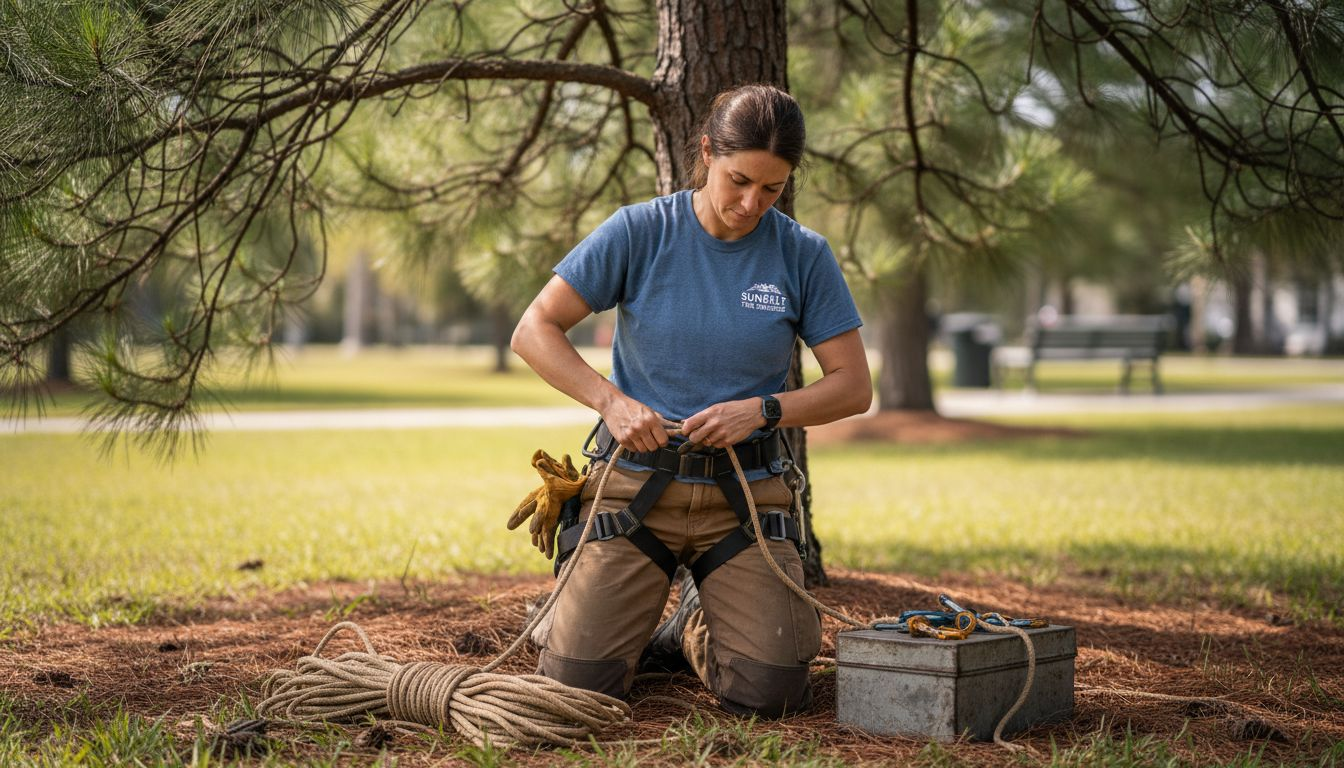
Beyond immediate physical risks, arborists must also assess potential property and environmental dangers. This includes identifying trees with structural weaknesses that could collapse during storms, recognizing disease indicators that might cause unexpected branch failures, and understanding how root systems interact with building foundations or underground utilities. Their comprehensive risk assessment helps prevent potential property damage, personal injury, and broader community safety concerns.
Here’s a summary of key safety risks arborists address and their recommended mitigation strategies:
| Safety Risk Type | Example Hazards | Typical Mitigation Approach |
|---|---|---|
| Electrical Contact | Power lines, energized wires | Specialized training, PPE, permits |
| Tree Structural Failure | Decay, cracks, unstable limbs | Support systems, pruning, removal |
| Equipment & Falls | Chainsaws, climbing falls | Safety gear, strict protocols |
| Environmental Impact | Roots near utilities/buildings | Risk assessment, planning |
Pro tip: Always request documentation of an arborist’s current safety certifications and insurance before hiring, ensuring they follow professional risk management standards.
Certified Arborist Qualifications and Standards
Certified Arborists represent the highest level of professional expertise in tree care, requiring comprehensive training and demonstrated skill in managing complex tree-related challenges. International Society of Arboriculture certification demands rigorous professional standards, including a minimum of three years of documented full-time tree care experience and successful completion of a comprehensive examination that tests knowledge across multiple critical domains.
The certification process covers extensive professional competencies that go far beyond basic tree maintenance. Arborists must demonstrate advanced understanding of tree biology, diagnostic techniques, safety protocols, and environmental management strategies. Professional credentials require comprehensive testing that evaluates an arborist’s ability to assess tree health, recommend appropriate interventions, and implement scientifically validated preservation and maintenance techniques. This stringent evaluation ensures that certified professionals possess the technical knowledge and practical skills necessary to protect both trees and surrounding property environments.
Beyond initial certification, ISA-certified arborists must continuously update their professional knowledge. This commitment to ongoing education involves participating in regular training programs, staying current with emerging research and technologies, and maintaining a deep understanding of evolving industry best practices. Certified arborists in Orlando must also comply with local and state regulations, demonstrating their ability to adapt to unique regional tree care challenges while maintaining the highest professional standards.
Pro tip: Request to see an arborist’s current certification credentials and verify their standing with the International Society of Arboriculture before hiring.
Arborist Practices for Storm Damage Prevention
Preventing storm damage requires strategic and proactive tree management techniques that go far beyond simple maintenance. Preventing storm-related tree failures involves comprehensive assessments of tree structure, identifying potential weakness points that could compromise tree stability during extreme weather conditions. Arborists conduct detailed evaluations of each tree’s unique characteristics, looking for structural vulnerabilities such as included bark, co-dominant stems, and dead or weakened branches that could potentially become dangerous projectiles during high winds.
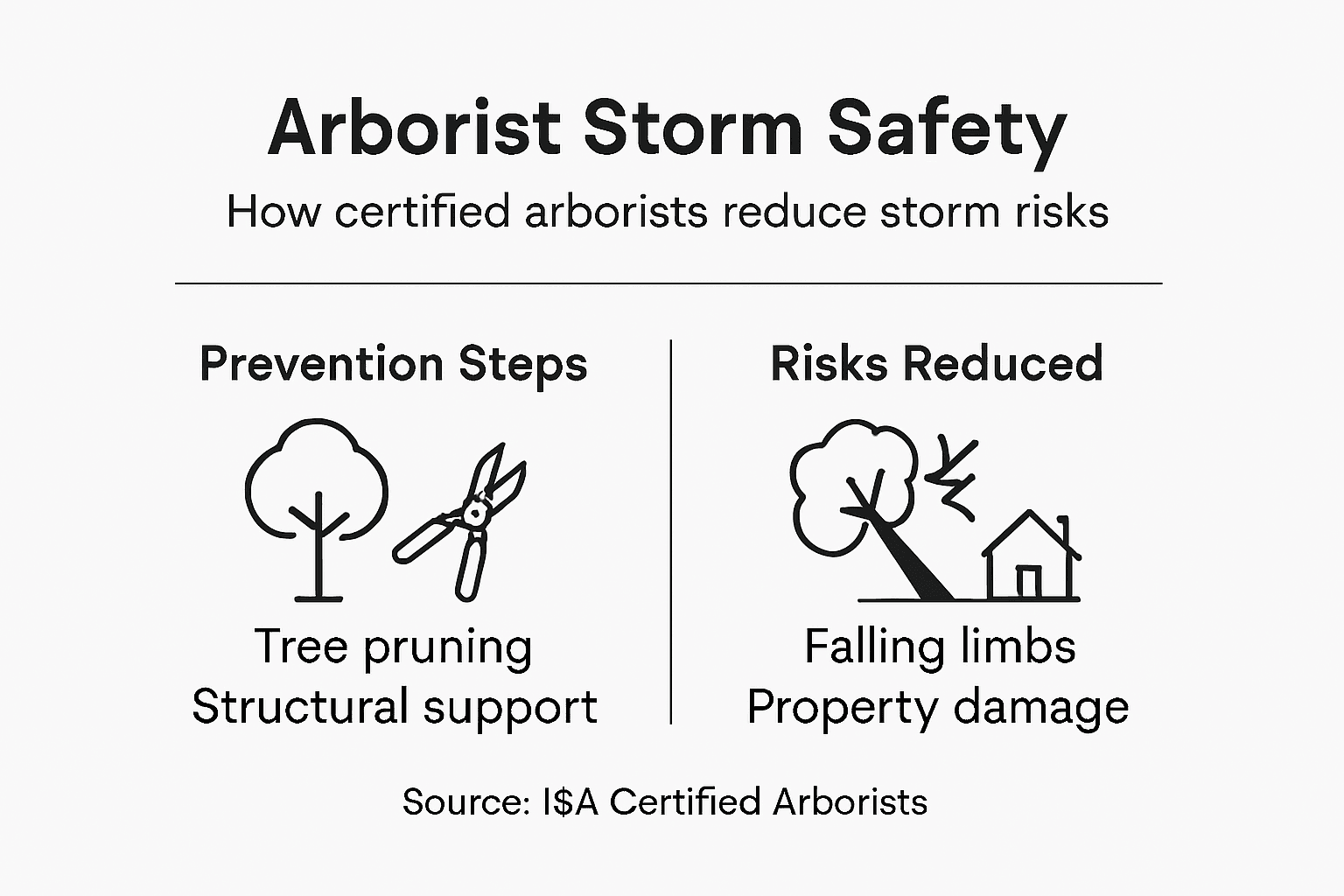
The process of storm damage prevention involves multiple sophisticated techniques that address both immediate and long-term tree health. Professional arborists utilize specialized pruning methods to reduce wind resistance, remove potentially hazardous deadwood, and improve overall tree structural integrity. Urban tree care strategies emphasize the importance of regular inspections, particularly after significant weather events, to identify and mitigate potential risks before they can cause property damage. This approach includes carefully assessing young trees’ development, ensuring proper form, and implementing supportive practices like appropriate mulching and staking.
Beyond physical tree management, arborists play a critical role in developing comprehensive storm preparedness strategies for Orlando properties. They provide detailed risk assessments that help property owners understand potential vulnerabilities, recommend targeted interventions, and create customized maintenance plans that account for specific tree species, local climate conditions, and individual property characteristics. This holistic approach ensures that trees not only survive storms but continue to provide aesthetic and environmental benefits while minimizing potential safety risks.
Pro tip: Schedule a professional tree assessment before hurricane season to identify and address potential structural weaknesses that could compromise your property’s safety.
Liability, Compliance, and Common Mistakes
Navigating the complex landscape of tree care liability requires a comprehensive understanding of professional standards and potential risks. Safety standards and workplace regulations establish critical guidelines that arborists must follow to minimize legal exposure and protect both workers and property owners. These standards, enforced by organizations like OSHA and ANSI, create a framework that defines employer and employee responsibilities, ensuring rigorous safety protocols are consistently implemented across tree care operations.
Property owners face significant financial risks when hiring uncertified or uninsured tree care professionals. Verifying arborist credentials becomes crucial in preventing potential legal complications. Common mistakes include accepting the lowest bid without thoroughly investigating an arborist’s qualifications, failing to request proof of insurance, and neglecting to secure detailed written contracts that explicitly outline work scope, potential risks, and financial responsibilities. These oversights can lead to substantial unexpected expenses if accidents occur or property damage results from inadequate professional practices.
This table compares the benefits of hiring certified arborists against uncertified providers:
| Criteria | Certified Arborist | Uncertified Provider |
|---|---|---|
| Training/Expertise | Extensive, continually updated | Limited, often basic |
| Liability Coverage | Insured, documented | Frequently insufficient |
| Regulatory Compliance | Meets all requirements | May miss critical standards |
| Documentation | Provides formal reports | Rarely offers assessments |
The most frequent compliance errors in tree care involve insufficient safety training, improper use of personal protective equipment, and dangerous work practices near electrical infrastructure. Arborists must maintain current certifications, continuously update their safety knowledge, and strictly adhere to industry-standard protocols. This includes comprehensive documentation of risk assessments, maintaining appropriate insurance coverage, and ensuring that all team members are properly trained and equipped to handle complex tree management scenarios. By prioritizing these compliance measures, professionals can significantly reduce liability risks and provide superior service to property owners.
Pro tip: Always request and independently verify an arborist’s current insurance certificates, professional licenses, and safety training documentation before allowing any work on your property.
Protect Your Orlando Property with Expert Arborist Care
The article highlights the critical role arborists play in ensuring tree safety and preventing serious risks such as electrical hazards, structural failures, and storm damage. If you want to protect your home or business from unexpected tree-related dangers, the key is hiring certified professionals who understand these challenges inside and out. At McCullough Tree Service, we specialize in comprehensive tree health assessments and customized safety solutions built on expert knowledge and industry-leading standards.
Take control of your property’s safety now by partnering with certified arborists who prioritize your peace of mind. Our team offers everything from detailed risk evaluations to precise pruning, storm cleanup, and emergency response services. Visit McCullough Tree Service to explore how our licensed experts can safeguard your trees while enhancing your landscape’s beauty and value. Don’t wait for hazards to escalate. Request a professional tree safety assessment today to ensure compliance, reduce liability risks, and protect what matters most.
Frequently Asked Questions
What are the main responsibilities of an arborist?
Arborists are responsible for assessing tree health, structural risks, and performing tree maintenance to ensure safety. Their work includes inspecting tree stability, detecting diseases, and recommending interventions like pruning or tree removal to prevent hazards.
How often should I schedule a tree safety assessment?
It is recommended to schedule a professional tree safety assessment at least once a year, particularly after severe weather events that might compromise tree integrity.
What are common tree safety risks that arborists address?
Common safety risks include electrical contact hazards, tree structural failures, equipment accidents, and environmental impacts such as root damage to buildings. Arborists use specific mitigation strategies for each risk category.
How can I verify an arborist’s qualifications before hiring?
You should request to see an arborist’s current certification credentials, insurance coverage, and verify their standing with professional organizations like the International Society of Arboriculture to ensure they meet industry standards.
Recommended
- Why Hire Certified Arborists for Safe Tree Care
- Role of Tree Removal in Orlando Landscaping
- Arborist Certification: Why It Matters in Central Florida
- Commercial Tree Trimming Process for Safe Property Care
- Tree Removal Altamonte Springs FL
- Tree Service Altamonte Springs FL