By: Shelby McCullough| Published: January 5, 2026
Most American commercial property managers know that overlooked tree hazards can cost thousands in unexpected repairs and insurance claims. In Orlando, FL, maintaining safe and attractive grounds means taking proactive steps with certified arborist expertise. This guide walks you through efficient, professional tree trimming practices, helping you protect your investment while keeping every landscape visually impressive and secure.
Table of Contents
- Step 1: Assess Tree Condition and Site Safety
- Step 2: Gather Proper Tools and Protective Gear
- Step 3: Plan Precise Cuts for Tree Health
- Step 4: Trim Branches Following Industry Standards
- Step 5: Dispose of Debris and Inspect Results
Quick Summary
| Key Point | Explanation |
|---|---|
| 1. Conduct Thorough Assessments | Evaluate tree conditions and surroundings to identify hazards before trimming begins for worker safety. |
| 2. Use High-Quality Safety Gear | Equip workers with necessary protective gear, including hard hats and cut-resistant gloves, to minimize risks during trimming. |
| 3. Plan Cuts Strategically | Understand tree biology and employ proper techniques to ensure healthy cuts that maintain tree structure and promote growth. |
| 4. Follow Industry Standards | Adhere to established guidelines when trimming to protect tree health and avoid conflict with utility lines and structures. |
| 5. Manage Debris Responsibly | Sort and dispose of tree debris efficiently, ensuring environmental compliance and safety within the work area. |
Step 1: Assess Tree Condition and Site Safety
Before beginning any commercial tree trimming project, conducting a thorough site and tree condition assessment is critical for preventing accidents and ensuring worker safety. This initial evaluation determines potential hazards, structural weaknesses, and environmental risks that could compromise the trimming operation. Tree risk management protocols recommend carefully inspecting each tree and surrounding area to identify potential dangers before initiating work.
Start by performing a comprehensive visual inspection of the tree from multiple angles. Look for signs of structural damage such as cracked branches, dead limbs, fungal growth, bark abnormalities, and trunk cavities that might indicate internal decay. Check the tree’s root system for signs of instability like exposed roots, soil heaving, or leaning trunk posture. Simultaneously, survey the surrounding site for potential obstacles like overhead power lines, buildings, pedestrian walkways, or other structures that could create additional safety challenges during trimming operations.
Prioritize identifying high risk areas that could pose immediate threats to workers or property. Pay special attention to branches near electrical infrastructure, those showing signs of disease or weakness, and limbs positioned over critical infrastructure or high traffic zones. Document your findings thoroughly and create a strategic plan that addresses safety concerns before initiating any trimming work.
Here’s a quick reference for common tree defects and their risk implications:
| Defect Type | Risk Level | Business Impact |
|---|---|---|
| Cracked branches | High | Can cause property damage |
| Dead limbs | Moderate | Increases liability exposure |
| Fungal growth | Moderate | Indicator of internal decay |
| Trunk cavities | High | Threatens tree stability |
| Leaning trunk | High | May result in collapse |
| Exposed roots | Moderate | Can trip workers, affect stability |
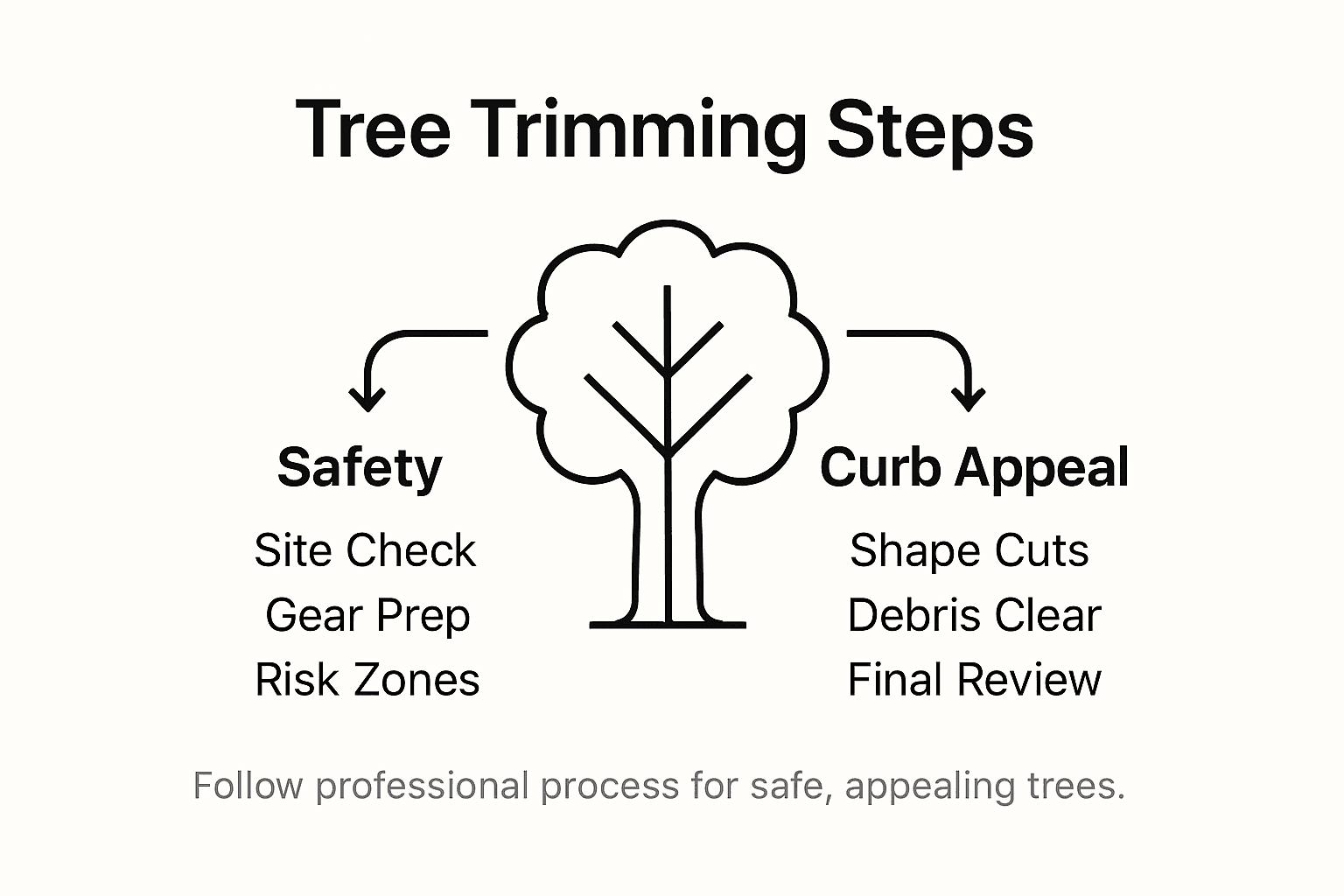
Pro tip: Always have a certified arborist perform a professional risk assessment if you encounter complex structural issues or are unsure about a tree’s overall health and stability.
Step 2: Gather Proper Tools and Protective Gear
Preparing the right equipment is essential for safe and efficient commercial tree trimming operations. Your safety gear and tools are your first line of defense against potential workplace hazards. Professional tree trimming safety guidelines recommend comprehensive protective equipment to minimize risks during tree maintenance work.
Start by selecting high quality personal protective equipment that covers every potential risk zone. This includes a robust hard hat to protect against falling branches, safety glasses or goggles to shield your eyes from debris, hearing protection to reduce noise from power tools, and cut resistant gloves that provide hand protection. Your clothing should include long sleeve shirts, thick work pants or specialized cut resistant trousers, and steel toed boots with excellent traction to prevent slips and protect your feet from potential impacts.
For tools, assemble a professional grade kit that includes pruning shears, hand saws, pole pruners, chainsaws, and climbing equipment appropriate for the specific tree trimming task. Ensure all cutting tools are sharp, well maintained, and appropriate for the branch sizes you will encounter. Inspect each piece of equipment before use to confirm it is in proper working condition and free from damage that could compromise safety or performance.
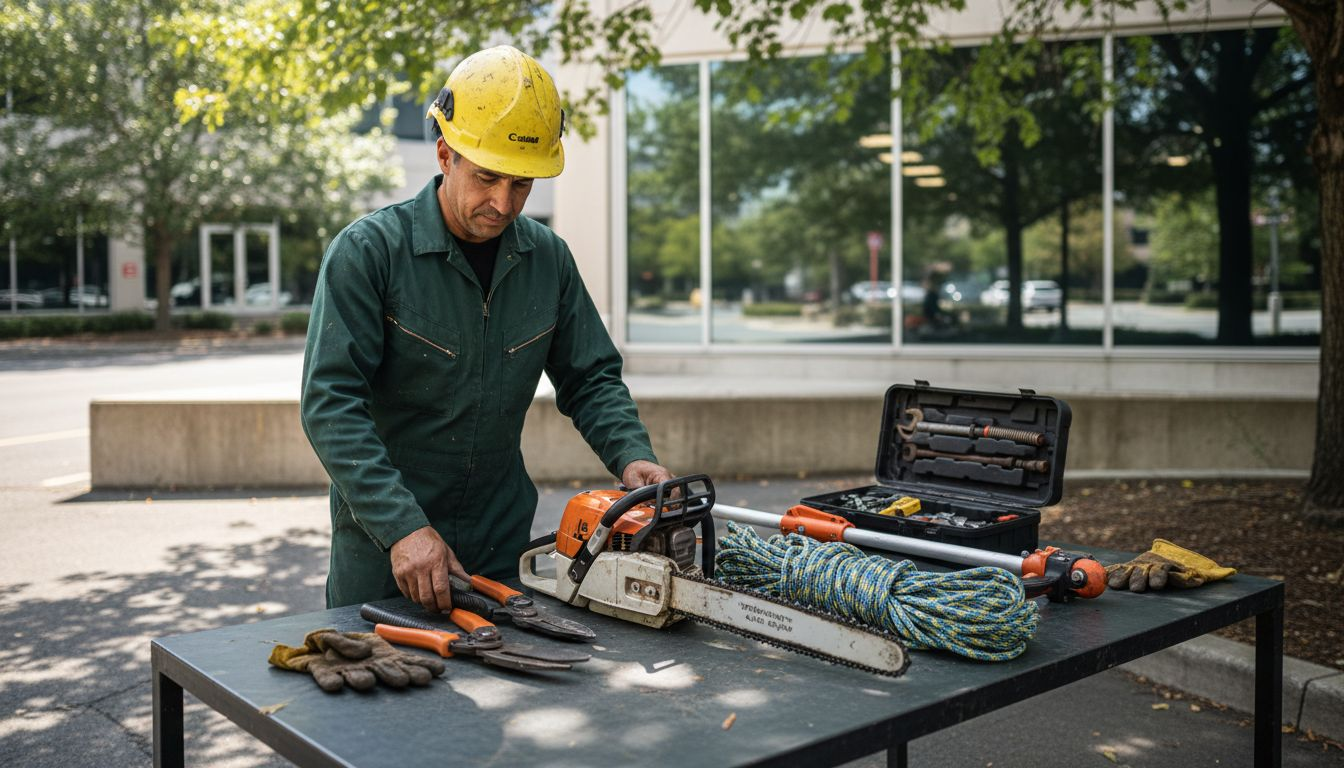
Pro tip: Invest in high quality safety gear from reputable manufacturers and replace equipment immediately if you notice any signs of wear or damage.
Step 3: Plan Precise Cuts for Tree Health
Successful commercial tree trimming requires strategic planning and understanding of tree biology to maintain the tree’s structural integrity and overall health. Systematic pruning techniques are essential for promoting healthy growth and preventing potential structural defects.
Begin by identifying the specific purpose of your pruning cuts. Are you removing dead or diseased branches, improving tree structure, or managing branch growth? Each type of cut serves a different purpose and requires careful consideration. Use the three-step cutting method for larger branches to prevent bark tearing and damage to the tree. First, make a partial cut underneath the branch about 12 to 18 inches from the trunk to prevent bark stripping. Then, make a second cut from the top slightly further out from the first cut, allowing the branch to fall safely. Finally, make the final precision cut close to the trunk or parent branch, being careful to preserve the branch collar without leaving a large stub.
Pay close attention to the tree’s natural growth pattern and avoid over pruning. Focus on removing branches that cross or rub against each other, those showing signs of disease, and any limbs that compromise the tree’s structural integrity. For young trees, concentrate on developing a strong central leader and balanced branch structure. Mature trees require more selective pruning to maintain health and aesthetics while minimizing stress to the tree.
Pro tip: Always use sharp, clean cutting tools and sanitize them between trees to prevent spreading potential diseases or infections.
Step 4: Trim Branches Following Industry Standards
Professional tree trimming requires strict adherence to established industry guidelines to ensure tree health, safety, and aesthetic appeal. Utility line clearance pruning techniques provide critical standards for maintaining trees while preventing potential infrastructure interference.
When trimming branches, focus on making precise cuts that follow the natural growth pattern of the tree. Begin by identifying branches that require removal based on their size, location, and potential impact on tree structure. For branches larger than three inches in diameter, use the three-cut method to prevent bark tearing and promote proper healing. The first cut should be made partway through the branch from underneath, about 12 to 18 inches from the trunk. The second cut should be made from the top slightly beyond the first cut, allowing the branch to fall safely without stripping bark. The final cut should be made just outside the branch collar, preserving the tree’s natural healing mechanisms.
Pay special attention to branches near utility lines, electrical infrastructure, or buildings. When pruning near these areas, prioritize techniques that guide future growth away from potential conflict zones while maintaining the tree’s overall health and structural integrity. For commercial properties, this means creating a balanced canopy that provides aesthetic value while minimizing potential safety risks. Avoid leaving stubs or making flush cuts that could compromise the tree’s ability to heal and protect itself from disease.
Pro tip: Maintain a consistent angle and direction when making cuts to promote uniform healing and prevent water accumulation that could lead to fungal infections.
Step 5: Dispose of Debris and Inspect Results
Completing a commercial tree trimming project requires careful debris management and thorough result verification. Urban tree residue management is critical for maintaining site safety and environmental compliance after trimming operations.
Begin by systematically collecting and sorting tree debris into different categories like branches, logs, wood chips, and leaves. Use appropriate containment methods such as heavy duty tarps, wood chipper trucks, or designated debris collection containers. For larger commercial properties, consider arranging immediate removal with a professional waste management service that specializes in organic tree materials. Separate green waste for potential recycling or composting to minimize environmental impact and demonstrate sustainability practices.
Conduct a comprehensive site inspection to evaluate the trimming results. Walk around the entire area to verify all targeted branches have been removed cleanly and safely. Check the remaining tree structure for balanced appearance, ensuring no jagged or uneven cuts compromise the tree’s health. Look for clean cut surfaces that will heal properly and assess overall tree symmetry. Document your work with photographs and notes to maintain a professional record and provide visual evidence of the completed service for property managers or clients.
Compare tree debris disposal methods for commercial properties:
| Method | Environmental Benefit | Cost Efficiency |
|---|---|---|
| Recycling/Composting | Reduces landfill waste | Often cost-effective |
| Professional removal | Ensures site compliance | Higher upfront expense |
| Onsite chipping | Offers mulch for landscaping | Saves hauling costs |
Pro tip: Keep a digital log of each tree trimming project including precise debris weight or volume to help track environmental sustainability and waste management efficiency.
Keep Your Commercial Trees Safe and Stunning with Expert Care
Ensuring the safety and curb appeal of commercial trees can be challenging without professional guidance. From assessing structural risks such as cracked branches and leaning trunks to making precise cuts that promote long-term health, every step requires specialized knowledge and certified expertise. At McCullough Tree Service, we understand these vital needs and offer comprehensive solutions tailored for Orlando and Central Florida businesses. Whether you need detailed risk assessments, expert pruning following industry best practices, or efficient debris removal, our team is equipped to protect your property and enhance its natural beauty.
Don’t wait until tree hazards become costly problems. Take advantage of our certified arborist services and trusted tree trimming expertise today. Visit McCullough Tree Service to schedule your professional consultation. Maintain your commercial landscape with confidence and ensure a safer environment for employees and visitors alike by choosing professional tree trimming and expert tree health assessments. Contact us now and experience trusted care that keeps your trees healthy and your property safe.
Frequently Asked Questions
How do I assess tree condition before trimming?
Before trimming, conduct a thorough visual inspection of the tree and its surroundings. Look for signs of structural damage such as cracked branches, dead limbs, and signs of fungal growth, ensuring to document any hazards.
What tools and protective gear do I need for commercial tree trimming?
Gather high-quality personal protective equipment like hard hats, safety glasses, and cut-resistant gloves. Ensure you have sharp, well-maintained tools such as pruning shears and chainsaws ready for the specific task.
How can I ensure the health of the tree while trimming?
Use strategic cutting techniques that follow the tree’s natural growth patterns. Focus on removing damaged branches and avoid over-pruning to maintain a balanced structure; this can enhance the tree’s health and aesthetics.
What are the best practices for disposing of tree debris?
Sort tree debris into categories like branches and logs, and use heavy-duty tarps or designated containers for collection. Consider arranging for professional waste management to ensure compliant and environmentally friendly disposal.
How do I inspect results after trimming a commercial tree?
Conduct a thorough site inspection by walking around and checking that all targeted branches are removed cleanly. Document your results with photographs and notes to provide a professional record and ensure the tree’s balance and symmetry.
Recommended
- Commercial Tree Trimming Process for Safe Property Care
- Tree Trimming Safety Protocols to Remember
- How to Cut Down a Tree Safely
- Commercial Tree Removal Guide for Safe Property Management
- Tree Removal Altamonte Springs FL
- Tree Service Altamonte Springs FL