By: Shelby McCullough| Published: January 27, 2026
Watching a storm-weakened oak sway dangerously near your home can spark real concern for your family’s safety and your investment. In Central Florida, dealing with hazardous or overgrown trees is more than a curb appeal issue—it means protecting your property, following local ordinances, and making smart choices about removal. This guide breaks down the steps, from industry-approved safety standards to legal requirements, so you can handle tree removal the right way and avoid costly mistakes.
Table of Contents
- Defining Proper Tree Removal Practices
- Major Tree Removal Scenarios In Florida
- Legal And Permit Requirements In Orlando
- Risks Of Improper Or Diy Tree Removal
- Cost, Liability, And Insurance Implications
- Benefits Of Hiring Certified Arborists
Key Takeaways
| Point | Details |
|---|---|
| Proper Tree Removal Practices | Adhering to ANSI A300 standards ensures safe and effective tree removal. Professional assessment of hazards and proper techniques minimize risks to property and people. |
| Importance of Certified Arborists | Hiring a certified arborist guarantees adherence to safety protocols, legal compliance, and risk management, protecting both your property and investments. |
| Risks of DIY Removal | Attempting tree removal without professional assistance poses significant injury and liability risks, with potential legal repercussions from improper actions. |
| Cost Implications and Insurance | Tree removal costs extend beyond initial estimates, and understanding insurance coverage is crucial to avoid unexpected out-of-pocket expenses for damages or illegal removals. |
Defining Proper Tree Removal Practices
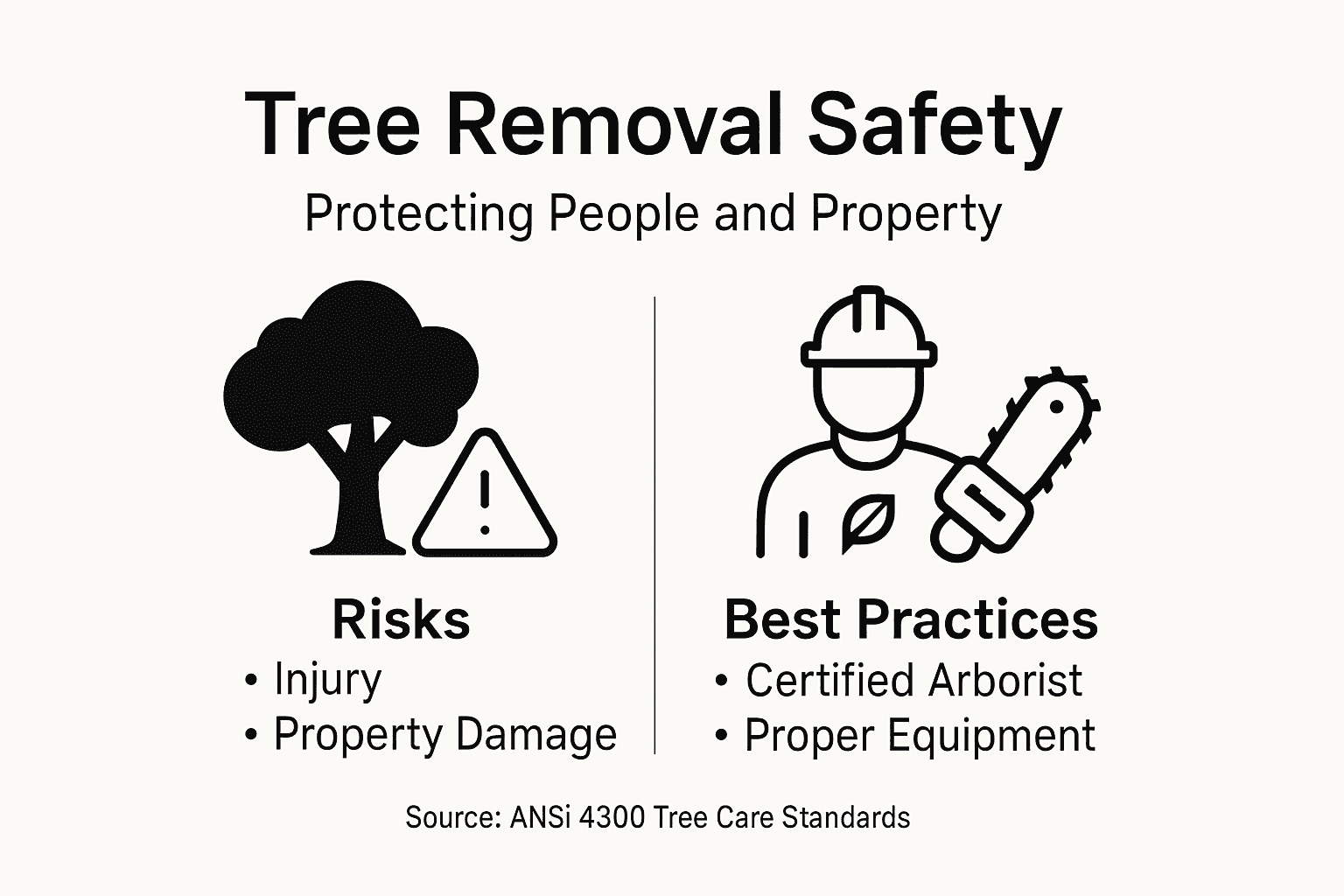
Proper tree removal goes far beyond just cutting down a tree and hauling away the pieces. It’s a systematic approach that prioritizes safety, protects your property, and follows industry standards that professionals in Central Florida use every day. When a tree needs to come down, the way it happens determines whether your home, landscaping, and neighbors stay safe.
The foundation of proper tree removal rests on established industry guidelines. The ANSI A300 standards provide comprehensive, consensus-based guidelines that cover safe felling techniques, equipment requirements, and planning protocols. These standards aren’t optional suggestions. They’re the framework that certified arborists follow to ensure trees fall exactly where they’re supposed to, avoiding power lines, structures, and people.
Before any cut happens, professionals assess what they’re dealing with. This means examining the tree itself for signs of rot, weak branches, or unusual lean that could cause unpredictable falling. It also means identifying every hazard in the surrounding area. Power lines running overhead? That changes everything. A fence or shed within the drop zone? The removal plan adjusts accordingly. Understanding these conditions before starting is what separates controlled removal from dangerous guesswork.
The actual cutting process demands precision and technique. Felling a tree safely involves examining the tree and its surroundings for hazards, planning escape routes, and using proper cutting techniques to ensure the tree falls as intended. Limbing (removing branches) and bucking (cutting the trunk into manageable pieces) follow specific sequences designed to maintain control and prevent kickback or unexpected shifts.
Equipment matters more than many homeowners realize. Proper safety gear, sharp tools maintained to exact specifications, and machinery sized appropriately for the job aren’t luxuries. They’re requirements. A certified arborist in the Orlando area brings chippers, stump grinders, rigging equipment, and safety gear that turns a risky DIY scenario into a controlled professional operation.
Proper tree removal also means thinking about what happens after the tree is down. Where does the debris go? How is the stump handled? Can the wood be chipped for mulch or salvaged? A comprehensive approach considers these details from the start, not as afterthoughts.
Pro tip: _Get a detailed written estimate that explains the removal method, equipment needed, safety measures, and what happens to the debris. This shows whether a company understands proper practices or is just swinging a chainsaw.
Major Tree Removal Scenarios in Florida
Central Florida homeowners face specific tree removal situations that differ from other parts of the country. Hurricane season, aggressive disease spread, and rapid urban development create unique challenges. Understanding when and why removal becomes necessary helps you protect your property and make informed decisions about your landscape.
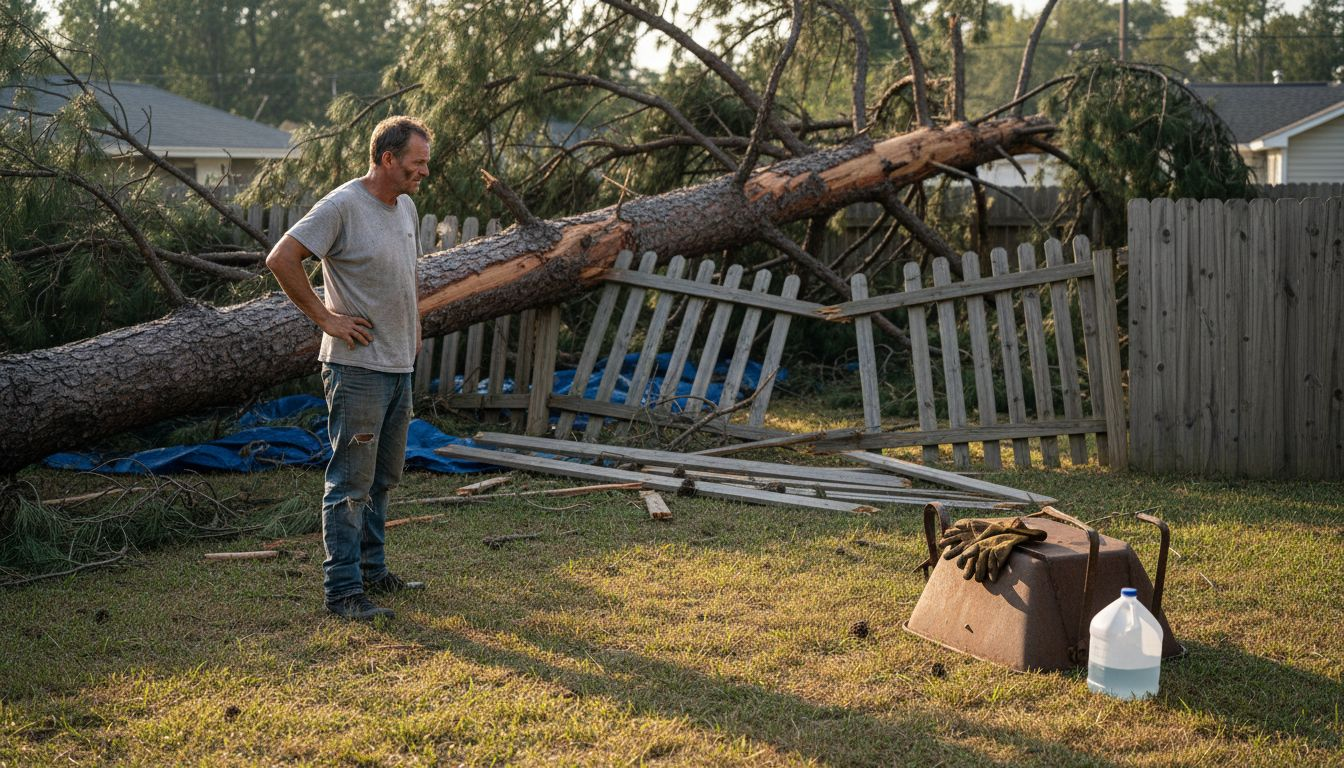
Hurricane damage represents one of the most common removal scenarios across Florida. When a storm passes through, trees snap at the trunk, lose major limbs, or lean at dangerous angles. A tree that survived the initial impact might still be unstable, with root damage you cannot see from above. These damaged trees pose immediate risks to your home, vehicles, and neighbors. Storm damage removal often happens immediately after severe weather to prevent secondary injuries or property destruction.
Disease and pest infestations trigger removal for different reasons. Oak wilt, citrus greening, and laurel wilt have devastated Florida landscapes. A diseased tree doesn’t just die slowly. It becomes structurally weak, dropping branches unpredictably. In some cases, property owners are responsible for removing hazardous or dead trees to prevent spread to neighboring properties. Your insurance company might require removal documentation if a dead tree threatens structures.
Dead or dying trees create obvious hazards. Removal of dangerous or dead trees on private property is essential because they can fail suddenly without warning. A seemingly stable dead oak can drop a 40-pound limb through your roof or worse. The wood becomes brittle. Root systems deteriorate. Waiting becomes increasingly risky.
Urban development and property improvements often require removal. New construction, driveway expansion, or pool installation might conflict with existing trees. Tree preservation ordinances focus on protecting significant trees but allow removal when trees pose safety risks or interfere with necessary development. Many scenarios involve permits and replacement requirements to maintain community forestry goals.
Power line conflicts create another common situation. Trees growing into utility lines pose fire hazards and service disruptions. Utility companies sometimes remove these trees, but property owners often bear the cost for trees on private property that threaten lines.
Pro tip: Document photos and dates of any tree problems, then contact a certified arborist immediately rather than waiting until a hazard becomes critical or storm damage occurs.
Legal and Permit Requirements in Orlando
You cannot simply hire someone with a chainsaw and remove a tree on your Orlando property without understanding local regulations. The city of Orlando and Orange County have specific tree protection ordinances that govern what you can remove, when you can remove it, and what happens if you don’t follow the rules. Ignoring these requirements can cost thousands in fines and mandatory replanting.
Orlando’s tree ordinances protect significant trees based on species and diameter. Protected trees typically include native species like live oaks, cabbage palms, and slash pines above certain size thresholds. A mature oak that dominates your property might be protected even if it poses risks. Removal of protected trees almost always requires a permit from the city. The permit process involves submitting detailed information about why removal is necessary, location, and the tree’s condition.
Permits exist to balance your property rights against community forestry goals. The city uses permits to ensure proper evaluation and documentation before removal happens. Residential tree removal requires compliance with state statutes and city tree protection ordinances to protect environmental and property interests. Without a permit for protected trees, you face fines and mandatory replacement tree planting.
Replacement requirements often accompany removal permits. If you remove a protected tree, the city typically requires you to plant new trees on your property. These aren’t just any trees. They must be native species, specific sizes, and properly planted according to city standards. The replacement requirement can add significant cost to your removal project.
Hazard removal has different rules. A dead, diseased, or dangerous tree that threatens structures or people may qualify for emergency removal without a standard permit. You still need documentation proving the hazard exists. Arborists evaluate trees and provide reports that justify removal. This creates a legal record showing the removal was necessary, protecting you if questions arise later.
Timing matters too. Some municipalities restrict tree removal during nesting seasons to protect wildlife. Orlando’s ordinances may include seasonal restrictions for certain species. Illegal removal can result in hefty fines and mandatory replacement mandates. Working with certified professionals ensures compliance from start to finish.
Pro tip: Call the City of Orlando’s Forestry Division before removing any substantial tree to determine if permits are required, then hire a certified arborist who handles the permit process and documentation.
Risks of Improper or DIY Tree Removal
Renting a chainsaw and tackling tree removal yourself might seem like a way to save money. It is not. The risks far outweigh any savings. People die from tree removal accidents every year. Many more suffer permanent injuries that change their lives forever.
Personal injury is the most immediate danger. A chainsaw can sever an artery in seconds. A falling limb can crush your skull. Trees lean or twist unpredictably when cut wrong, and the trunk can spring backward with tremendous force. Improper tree removal without proper skills and equipment can lead to serious injuries from falling limbs, chainsaw accidents, or tree spring back, and lack of planning increases these risks significantly.
Property damage extends beyond your own body. A tree falling the wrong direction destroys your garage, crushes your neighbor’s fence, or tears down power lines. You become liable for that damage. Insurance often refuses to cover removal accidents from DIY work. Your homeowner’s policy may deny the claim, leaving you responsible for thousands in repairs.
Utility damage carries special consequences. Cutting into a live electrical line kills you instantly or causes a neighborhood-wide outage. Natural gas lines present explosion risks. Water lines flood your property and damage foundations. Professional crews know how to identify and avoid these hazards. You likely do not.
Structural weakening happens with improper cutting technique. Improper pruning and tree removal can cause irreversible damage to trees, promoting disease and decay, or destabilizing trees leading to failure. An incorrect cut creates a stress fracture that causes the tree to fail in the next storm, even if the initial cut seemed successful. What looks fine today snaps in half during the next hurricane.
Legal and financial consequences multiply quickly. Illegal removal of protected trees brings city fines reaching thousands of dollars. Add mandatory replanting costs. Add liability for injuries or property damage. Add potential criminal charges if someone gets hurt. What started as budget consciousness becomes a financial disaster.
Certified arborists carry insurance, understand local regulations, have proper equipment, and know how to assess hazards before cutting. They finish the job safely in hours, while DIY work stretches across weekends and creates ongoing risk.
Here’s a comparison of DIY tree removal versus hiring a certified arborist:
| Aspect | DIY Removal Risks | Certified Arborist Benefits |
|---|---|---|
| Safety | High injury risk | Follows strict safety standards |
| Liability | Owner fully exposed | Service carries insurance |
| Legal Compliance | Often violates ordinances | Manages permits and documentation |
| Time & Efficiency | Slow, unpredictable | Fast and professional |
| Cost Overruns | Unforeseen expenses | Transparent written estimates |
Pro tip: Get quotes from multiple certified arborists before attempting any removal yourself, and factor insurance and liability costs into your comparison of prices.
Cost, Liability, and Insurance Implications
Tree removal costs more than most homeowners expect. A single large oak can run $1,500 to $5,000 or more depending on location, height, and complexity. That price covers the removal crew, equipment, disposal, and site cleanup. But the financial picture gets far more complicated when liability and insurance enter the equation.
Insurance coverage for tree removal is often misunderstood. Many homeowners assume their policy covers removal costs automatically. It does not. Insurance may cover emergency removal if hazards threaten lives or infrastructure, however routine or pre-existing conditions might not be covered. A tree that has been slowly dying for years falls under routine maintenance, not emergency situations. Your insurance company denies the claim, and you pay out of pocket.
Liability exposure is where costs escalate dangerously. If a tree on your property damages your neighbor’s home, their medical bills, or causes injuries, you are responsible. Property owners can be held liable for damage or injuries caused by neglected hazardous trees. This liability exists whether you knew about the danger or not. A lawsuit can cost tens of thousands in legal fees alone, before settling any damages.
Illegal removal amplifies financial consequences. Removing a protected tree without a permit triggers city fines that reach $5,000 or more per violation. The city then requires you to plant replacement trees and pay for their installation and maintenance. That easily adds another $2,000 to $10,000 to your costs. Repeated violations bring escalating fines.
Contractor insurance matters significantly. A professional tree service carries liability insurance protecting both parties. If something goes wrong, their insurance covers damages. DIY removal or hiring uninsured contractors leaves you completely exposed. Insurance policies may exclude coverage for damages caused by improperly maintained or removed trees, so a cheap contractor becomes expensive when accidents happen.
Documentation protects you financially. A certified arborist’s assessment creates a record proving the tree was genuinely hazardous. This documentation strengthens insurance claims and legal defenses. It shows you acted responsibly, not negligently. That distinction saves money when disputes arise.
Below is a summary of what insurance may cover for tree removal in Central Florida:
| Scenario | Insurance Coverage | Typical Requirement |
|---|---|---|
| Emergency hazard removal | Frequently covered | Arborist documentation needed |
| Routine maintenance | Rarely covered | Owner pays out of pocket |
| Damage to neighbor | Owner liability applies | Proof of prior tree condition |
| Illegal tree removal | Not covered by insurers | May trigger fines and replacement |
Pro tip: Before hiring any tree service, verify they carry liability insurance and ask for proof, then request a written assessment documenting the tree’s condition to support any insurance claims.
Benefits of Hiring Certified Arborists
A certified arborist is not just someone who owns a chainsaw. Certification means years of education, field experience, and passing rigorous exams that test knowledge of tree biology, safety protocols, and industry standards. This credential matters significantly when your property and safety are at stake.
Certified arborists follow established professional standards that protect you. Certified arborists follow ANSI A300 Tree Care Standards ensuring tree removal and care meet professional safety, environmental, and quality benchmarks. These standards cover everything from how to make the proper cut to how to position equipment safely. Following these standards reduces injuries, prevents property damage, and ensures the work meets industry best practices.
Expertise in tree biology gives arborists advantages you cannot get elsewhere. They understand which trees survive Central Florida’s climate, how diseases spread, and when a tree can recover versus when removal is necessary. An arborist examines a diseased oak and knows whether it will bounce back or decline regardless of treatment. This knowledge prevents unnecessary removals and unnecessary attempts to save trees that are doomed.
Risk assessment is another critical skill. Certified arborists assess tree health, identify risks, and plan removals or treatments that minimize ecological impact. They spot hazards you would miss. A leaning trunk might indicate root rot that will fail in the next storm. Dead branches in the upper canopy signal a tree in decline. Cracks in the wood reveal internal damage. Professional assessment catches these dangers before they become emergencies.
Legal compliance becomes automatic with certified professionals. They know Orlando’s tree ordinances, permit requirements, and protected species restrictions. They handle the paperwork, obtain necessary permits, and document everything properly. When complications arise later, you have professional records proving the removal was necessary and performed correctly.
Liability protection is substantial. Certified arborists carry insurance and carry out work according to industry standards. If something goes wrong, their insurance covers damages. Their training and experience mean accidents are rare. You avoid the financial catastrophe that DIY removal can create.
Time savings matter too. A professional crew removes a large tree in hours, not days. They arrive with proper equipment, complete the work safely, and clean up thoroughly. You get your property back to normal quickly and safely.
Pro tip: Ask any arborist to show proof of ISA (International Society of Arboriculture) certification and current liability insurance before signing any contract.
Protect Your Property with Expert Tree Removal Solutions
Removing hazardous or damaged trees safely is critical to protecting your home and loved ones. As the article highlights, improper tree removal risks injury, property damage, legal fines, and unexpected expenses. You need a trusted partner who understands Orlando’s regulations, follows ANSI A300 standards, and approaches every job with certified arborist expertise.
At McCullough Tree Service, we specialize in professional tree removal, storm cleanup, stump grinding, and comprehensive tree care tailored to Central Florida’s unique challenges. Our licensed arborists assess your trees’ health, secure proper permits, and execute removals that protect your property from risk while preserving the environment and complying with local laws.
Don’t wait for a dangerous situation to escalate. Contact us now to get a detailed written estimate that covers removal methods, safety protocols, and debris handling. Discover how our certified arborist team can efficiently and safely resolve your tree removal needs by visiting McCullough Tree Service. Protect your property with confidence today.
Frequently Asked Questions
What are the key steps involved in proper tree removal?
Proper tree removal involves assessing the tree for hazards, planning escape routes, using precise cutting techniques, and managing debris afterward. Certified arborists follow ANSI A300 standards to ensure safety and efficiency.
Why should I hire a certified arborist for tree removal?
Hiring a certified arborist ensures that the removal process is conducted safely and in compliance with local regulations. They have the expertise to evaluate tree health and risks, follow established safety protocols, and handle the necessary permits and documentation.
What are the risks of DIY tree removal?
DIY tree removal can lead to severe injuries, property damage, and legal liabilities. Without proper training and equipment, individuals may improperly assess hazards, leading to accidents and unforeseen costs related to damage or fines.
What happens to the stump after tree removal?
After tree removal, options for the stump include grinding it down, leaving it to decompose, or removing it entirely. Certified arborists will provide recommendations based on your landscaping needs and local regulations.
Recommended
- Tree Trimming Safety Protocols to Remember
- Commercial Tree Removal Guide for Safe Property Management
- Why You Should Remove Trees Near Your House
- 7 Essential Tree Trimming Safety Tips for Homeowners
- Tree Service Orlando FL
- Tree Service Winter Springs FL