By: Shelby McCullough| Published: January 24, 2026
What makes caring for trees in Central Florida such a unique challenge is our unpredictable weather and powerful hurricane season. For homeowners, tree care in 2025 means more than routine maintenance. It is a proactive blend of health management and risk reduction tailored to your specific landscape. By embracing accurate tree risk evaluation and modern management practices, you protect your property, enhance curb appeal, and help your trees withstand the storms ahead.
Table of Contents
- Defining Tree Care For 2025 Needs
- Key Types Of Tree Maintenance Services
- Seasonal Care And Storm Preparation Strategies
- Benefits Of Using Certified Arborists
- Common Mistakes In Tree Management
Key Takeaways
| Point | Details |
|---|---|
| Proactive Tree Care is Essential | In 2025, tree care focuses on preventive strategies and individualized management to minimize risk from storms and environmental factors. |
| Engage Certified Arborists | Hiring certified arborists ensures accurate diagnosis and application of industry standards, which enhance tree health and safety. |
| Seasonal Maintenance is Key | A year-round maintenance calendar helps prepare trees for storms and adapts care based on seasonal needs. |
| Avoid Common Mistakes | Poor planting, over-pruning, and neglecting inspections can critically harm tree health and increase storm risks. |
Defining Tree Care for 2025 Needs
Tree care in 2025 is no longer about just trimming branches or removing dead wood when problems appear. It’s a forward-thinking approach that combines health management with risk reduction, especially critical for Central Florida homeowners dealing with our intense hurricane season and unpredictable weather patterns. The modern definition centers on proactive evaluation and strategic management tailored to your specific trees and landscape conditions.
At its core, 2025 tree care involves three interconnected elements: understanding your individual trees, assessing environmental risks, and implementing targeted management practices. This means evaluating each tree based on its species, location on your property, current health status, and vulnerability to local weather events. A 40-year-old oak near your foundation needs completely different care than a young palm in your backyard. Risk assessment and tree evaluation aligned with professional standards helps identify which trees pose safety concerns, which ones need preventive attention, and which are thriving and require minimal intervention. For Central Florida specifically, this includes understanding how salt spray affects coastal properties, how our sandy soil drains differently than other regions, and how hurricane wind loads stress particular species differently than trees in other climates.
The practical reality is that your tree care strategy should reflect modern urban forestry principles rather than outdated assumptions. Instead of waiting until a storm damages your trees or disease weakens them, you’re looking at safe trimming techniques for healthier growth that reduce wind resistance while maintaining structural integrity, regular health assessments that catch problems early, and species selection that matches your specific yard conditions. This might mean removing a tree that looks fine but poses a storm risk, planting new trees that thrive in Central Florida’s climate, or adjusting your maintenance schedule based on seasonal vulnerabilities.
What makes 2025 different is the emphasis on accuracy. Standard practices like the ANSI A300 guidelines provide benchmarks for what constitutes proper care, but applying them to your individual property requires professional judgment about your specific trees and site conditions. A certified arborist brings this expertise, translating broad industry standards into decisions that work for your exact landscape.
Pro tip: Schedule a professional tree risk assessment before hurricane season to identify which trees need attention, allowing time for proper treatment or removal rather than scrambling after storm damage occurs.
Key Types of Tree Maintenance Services
Tree maintenance in 2025 breaks down into several distinct service categories, each addressing different aspects of tree health and safety. Understanding what each service does helps you determine which ones your Central Florida property actually needs. Rather than a one-size-fits-all approach, the best strategy targets your specific trees and their current condition.
The most common maintenance services fall into these categories. Pruning and trimming remove dead, diseased, or hazardous branches while maintaining proper tree structure and reducing wind resistance during storms. Tree pruning removes problematic growth that weakens trees or creates safety risks, particularly important in Central Florida where storm season can turn weak branches into projectiles. Cabling and bracing provide structural support for trees with weak branch angles or split trunks, essentially acting like a medical brace to prevent failure during high winds. Fertilization and health care address nutritional deficiencies in our sandy Florida soil, boosting tree vigor and disease resistance. Pest and disease management tackles specific problems like scale insects, fungal infections, or root issues that threaten tree survival.
Beyond these routine services, preventive maintenance strategies now emphasize monitoring and early intervention rather than waiting for visible problems. This might include regular health assessments, soil testing, or canopy monitoring to catch issues before they become severe. Tree removal handles trees that are dead, diseased beyond recovery, or pose unacceptable safety risks. Stump grinding eliminates the root system completely, preventing new growth and freeing up yard space. Emergency storm response addresses immediate hazards after severe weather, removing broken branches or fallen trees that block roads or threaten structures.
What connects all these services in 2025 is a shift toward sustainability and customization. Rather than routine maintenance on every tree, professionals now recommend tailored solutions based on each tree’s species, age, health status, and your property’s specific needs. Central Florida properties benefit especially from proactive storm preparation services that identify weak trees before hurricane season arrives. The cost of selective pruning or bracing now is far less than emergency removal and cleanup after a storm.
Here is a quick summary of the main tree maintenance services and when they have the greatest impact for Central Florida properties:
| Service Type | Primary Benefit | Most Effective Timing |
|---|---|---|
| Pruning & Trimming | Improved structure, reduced risk | Spring/early summer |
| Cabling & Bracing | Prevents storm damage | Before hurricane season |
| Fertilization & Health | Boosts vigor, disease resistance | Spring/fall |
| Pest/Disease Management | Protects tree longevity | As soon as symptoms appear |
| Emergency Response | Immediate hazard removal | Post-storm |
Pro tip: Hire a certified arborist to conduct a property-wide tree assessment before hurricane season, identifying which services each tree actually needs rather than applying expensive treatments across the board.
Seasonal Care and Storm Preparation Strategies
Central Florida’s weather demands a year-round maintenance calendar that shifts with seasons. Spring through early summer is your critical window for storm preparation, while fall and winter allow for different types of care. Rather than treating tree care as something you address once a year, thinking in seasons keeps your trees resilient and ready for whatever weather arrives.
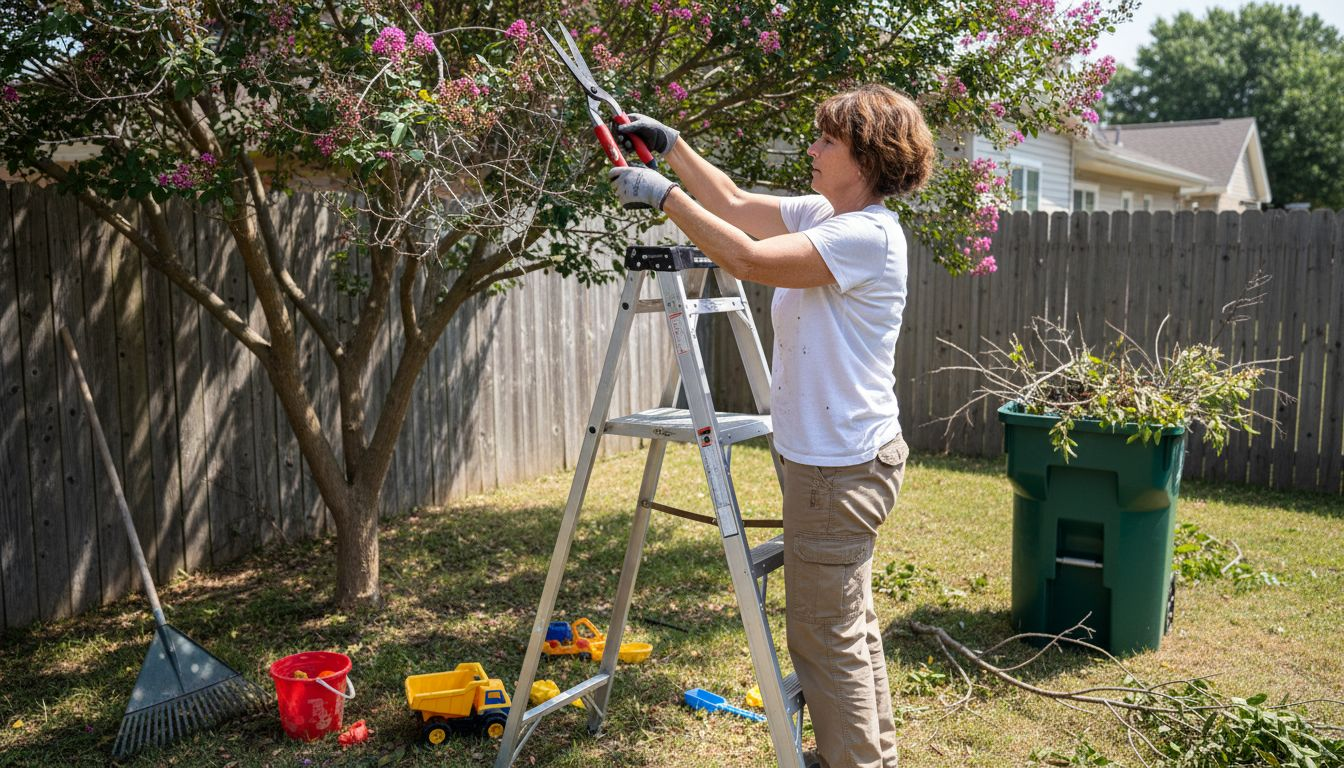
Pre-hurricane preparation starts well before June. This is when proactive storm preparation including preventive pruning becomes essential for structural improvement and wind resistance. The goal is simple: remove weak branches and improve tree structure so that your trees bend in storms rather than break. Dead or crossing branches, included bark, or narrow angles become failure points when winds exceed 60 miles per hour. Spring is also the time for soil assessment and mulching that helps trees handle drought stress during dry seasons. A 3 to 4 inch layer of organic mulch retains moisture, moderates soil temperature, and supports root health without suffocating the tree. Additionally, late spring is when you should complete major pruning work before new growth hardens off, reducing the tree’s energy demands during hurricane season.
During summer months, monitoring becomes your primary activity. Tree trimming preparation for storms should be completed before peak hurricane season arrives. Watch for signs of stress like unusual wilting, pest damage, or bark damage that could weaken structural integrity. Fall brings a different focus. Rather than heavy pruning which stresses trees, you might address specific hazards or remove dead wood that accumulated through summer. Winter in Central Florida is your second major maintenance window since trees are dormant and less vulnerable to pruning stress. This is when you can tackle larger structural work or species selection for new plantings, choosing wind-resistant varieties that thrive in our sandy, salt-influenced soils.
Post-storm care follows damage assessment and recovery strategies that restore your landscape. This might mean removing fallen trees, treating torn bark, or removing large broken branches. The immediate priority is safety, but the secondary priority is tree recovery. Trees can survive significant damage if you don’t overreact by removing too much canopy or leaving improper pruning cuts.
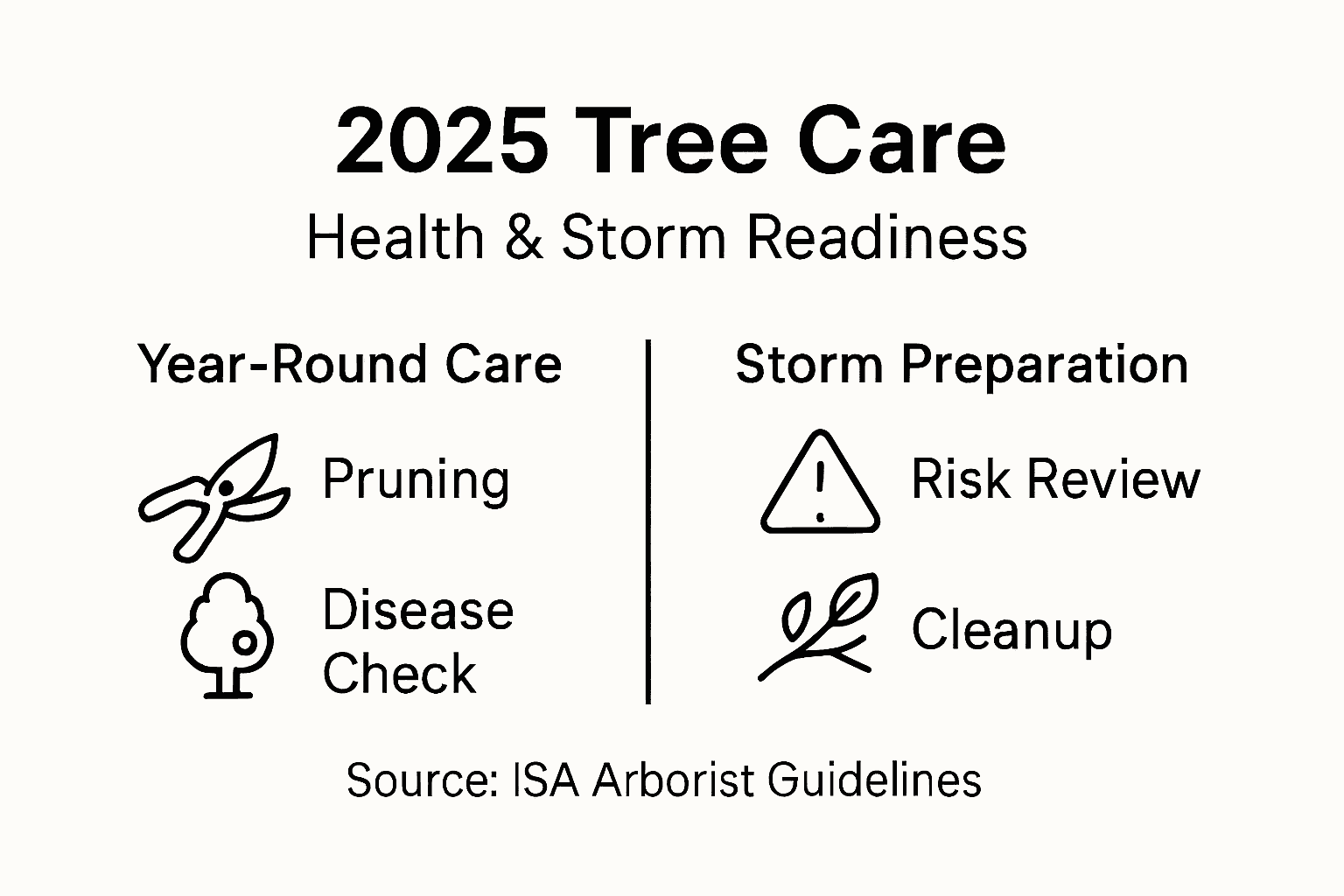
Pro tip: Schedule major pruning and storm preparation work in April or May, allowing trees to harden off before hurricane season arrives in June rather than scrambling in the final weeks before peak storm months.
Benefits of Using Certified Arborists
Not all tree work is equal. Someone with a chainsaw and confidence is not the same as someone with formal training, industry certification, and years of hands-on experience. Certified arborists bring a completely different level of expertise to tree care decisions, and the difference becomes obvious when comparing outcomes. For Central Florida homeowners facing hurricane season and unique growing conditions, this distinction matters significantly.
Certified arborists possess formal education in tree biology, disease recognition, and biomechanics. This expertise allows them to diagnose problems that homeowners and untrained workers miss entirely. A tree that looks merely “sick” to most people might be suffering from a specific fungal infection, nutrient deficiency, or structural weakness that a certified arborist can identify and address. Expert knowledge of tree biology and safety protocols ensures proper diagnosis and appropriate treatment rather than guessing. This accuracy prevents unnecessary removals of salvageable trees and stops wasted money on treatments that won’t help. Additionally, certified arborists understand how your specific choices affect long-term tree health. A pruning cut made 2 inches from the branch collar instead of flush with the trunk changes everything about how that tree heals. Equipment handling, safety procedures, and knowledge of what species thrive in Central Florida’s sandy, salt-influenced soils all depend on formal training.
Beyond individual tree health, ISA Certified Arborists provide scientifically-informed services that support sustainable urban forestry and risk mitigation. They conduct proper health assessments that guide strategic decisions about which trees deserve investment and which pose genuine safety risks. This prevents both over-maintenance of healthy trees and negligence toward hazardous ones. Their adherence to industry standards including ANSI A300 guidelines means your trees receive care that meets objective, science-based benchmarks rather than whatever approach a contractor prefers. For storm preparation specifically, certified arborists evaluate wind resistance scientifically, identifying structural weaknesses before trees fail during hurricanes. They integrate ongoing education into their practice, meaning their knowledge stays current as best practices evolve.
The practical benefit is risk reduction and peace of mind. Professional liability insurance backs their work, and their credentials mean accountability. When a certified arborist makes a decision about your trees, that decision rests on training, experience, and industry standards, not guesswork.
For reference, here is a comparison of certified arborists versus non-certified tree workers in key areas:
| Aspect | Certified Arborist | Non-Certified Worker |
|---|---|---|
| Education | Formal training required | Typically no formal training |
| Diagnostic Accuracy | High, based on biology | Low, may overlook issues |
| Standard Compliance | Follows ANSI A300, ISA | Varies or lacks standards |
| Risk Management | Insured and accountable | Often uninsured |
| Hurricane Experience | Specialized techniques | Limited or generic methods |
Pro tip: When hiring tree services, verify ISA Certified Arborist credentials and ask about their specific experience with hurricane-resistant pruning and Central Florida’s native species rather than assuming all arborists bring the same level of expertise.
Common Mistakes in Tree Management
Good intentions often lead to bad outcomes in tree care. Homeowners frequently make decisions that seem reasonable but actually damage tree health or increase storm risk. Understanding these mistakes helps you avoid costly problems and keeps your trees thriving. Central Florida’s unique growing conditions make some mistakes even more damaging than they would be in other climates.
One of the most widespread errors is improper planting and soil preparation. Trees planted too deep suffocate roots and promote trunk decay. Poor soil preparation leaves trees struggling in our sandy Florida soil that lacks nutrients and doesn’t retain moisture well. Wrong species selection dooms trees from the start. Planting a tree that thrives in cool climates or demands constant moisture is setting yourself up for disappointment when it fails in our heat and humidity. Beyond planting, common tree care mistakes including over-mulching and improper maintenance undermine health and accelerate decline. Over-mulching creates a suffocating barrier that traps moisture against the trunk, promoting rot and fungal issues. Mulch should be 3 to 4 inches deep, not piled against the trunk like a volcano. Overwatering is equally destructive, especially in Florida where rainfall is abundant. More trees die from too much water than too little. Additionally, skipping regular inspections means problems go undetected until they become serious. Dead wood accumulates, girdling roots tighten, and structural weaknesses develop unnoticed.
Pruning mistakes damage trees more visibly and immediately. Pruning at wrong times stresses trees when they’re vulnerable. Large pruning cuts made in late summer or fall allow disease entry when trees can’t compartmentalize wounds. Leaving dead wood untouched wastes resources trees should use for growth and creates harboring sites for pests and disease. Using dull tools tears bark and wood instead of making clean cuts, causing wounds that heal poorly. Trees suffering from poor maintenance techniques show sparse crowns and structural problems that make them vulnerable during storms. Perhaps the worst mistake is ignoring girdling roots, which slowly strangle the tree as they thicken over years. By the time the problem becomes obvious, it’s too late to save the tree.
All these mistakes share something in common: they ignore basic tree biology. Trees need proper root environments, appropriate species selection, correct timing, and good judgment about what they need. Professional tree management prevents these errors through knowledge and experience.
Pro tip: Before making any significant decision about your trees, ask yourself whether you’re solving the tree’s actual problem or guessing based on what seems logical, then verify with a certified arborist if you’re uncertain.
Protect Your Central Florida Trees with Expert Care Today
The challenges of maintaining healthy, storm-resistant trees in Central Florida are clear from the latest best practices for 2025. With intense hurricane seasons and unique soil conditions, you need precise risk assessment and tailored maintenance that only certified arborists can provide. Avoid common mistakes like improper pruning or delayed storm preparation that can put your property and loved ones at risk. At McCullough Tree Service, we understand your goals to keep your trees safe, thriving, and beautiful while reducing potential hurricane damage through strategic trimming, cabling, fertilization, and emergency response.
Do not wait until storm season to find out which trees threaten your home or require urgent treatment. Take action now by scheduling a comprehensive tree health assessment with our licensed and ISA Certified Arborists who specialize in Central Florida’s environment. Discover the difference expert knowledge makes for your landscape. Visit McCullough Tree Service to learn more about our complete range of services including tree trimming, storm preparation, and emergency storm cleanup. Protect your investment and peace of mind by contacting us today for a free estimate and customized tree care plan.
Frequently Asked Questions
What are the best practices for tree care in 2025?
Tree care in 2025 focuses on proactive health management, risk reduction, and customizing care based on individual tree species and site conditions. This includes regular evaluations, targeted pruning, and species selection that suits local climate and soil conditions.
How can homeowners prepare their trees for storm season?
Homeowners should perform preventive pruning in the spring to remove weak or dead branches, assess tree health, and ensure proper soil care before the hurricane season. Regular monitoring and addressing structural weaknesses can help trees survive storms better.
Why is using a certified arborist important for tree care?
Certified arborists have formal training and expertise that ensure accurate diagnosis and effective treatment of tree issues. They follow industry standards, reducing risk and increasing the likelihood of beneficial outcomes for tree health.
What common mistakes should be avoided in tree management?
Common mistakes include improper planting depth, over-mulching, skipping regular inspections, and making pruning cuts at the wrong times. Not addressing girdling roots can also significantly harm tree health, so it’s crucial to understand basic tree biology before making care decisions.
Recommended
- Tree Trimming Preparation for Storm
- Tree Trimming Safety Protocols to Remember
- 7 Essential Types of Tree Trimming Every Property Needs
- Be smart heading into storm season with Florida trees – McCullough Tree Service
- How to Create Disaster Recovery Plan That Actually Works – Heights Consulting Group
- Tree Service Orlando FL
- Tree Service Winter Springs FL