By: Shelby McCullough| Published: May 2, 2026
TL;DR:
- Oakland homeowners should choose certified arborists with local experience to ensure proper tree care amid storm stress and unique soil conditions.
- Professional services like trimming, pruning, and removal safeguard property, increase value, and prevent costly hazards in Central Florida.
Not all tree services are created equal, and Oakland, FL homeowners who assume otherwise often pay the price. Between the region’s intense summer storms, sandy soils, and a mix of native and non-native tree species, proper tree care here demands more than a chainsaw and a pickup truck. Choosing a qualified, certified provider means the difference between trees that protect your property and trees that threaten it. This guide walks you through everything you need to know to make a confident, informed decision about tree care in Oakland.
Table of Contents
- What makes professional tree service in Oakland, FL unique?
- Types of tree services available for Oakland, FL properties
- How to evaluate and choose the best tree service provider
- When to call a certified arborist in Central Florida
- Why proper tree service is an investment, not just a maintenance expense
- Professional tree care solutions for Oakland, FL
- Frequently asked questions
Key Takeaways
| Point | Details |
|---|---|
| Local expertise matters | Choosing professionals familiar with Oakland, FL ensures better outcomes for your property. |
| Insist on credentials | ISA certified arborists offer trusted, safe, and effective tree care. |
| Service options abound | Trimming, removal, and emergency care are all available from reputable providers in the area. |
| Evaluate before hiring | Always verify insurance, experience, and clear communication before selecting a service. |
| Tree care is an investment | Prioritizing professional care protects property value and safety long term. |
What makes professional tree service in Oakland, FL unique?
Oakland sits in Orange County, right in the heart of Central Florida, where the climate creates a very specific set of challenges for property owners. The region averages over 50 inches of rain per year, with a hurricane season that runs from June through November. That combination of wind, water, and heat puts trees under significant stress, and stressed trees become hazardous trees.
The tree species you find in Oakland yards are also diverse. You might have a massive live oak that’s been growing for 80 years, a row of Laurel oaks along your fence line, or a cluster of Sabal palms near your driveway. Each species responds differently to trimming, disease, and storm damage. A crew that handles trees in the Pacific Northwest doesn’t automatically know how to care for a wind-loaded Laurel oak in Central Florida.
Local regulations add another layer of complexity. Many municipalities in Orange County have tree ordinances that restrict removal of certain species or trees above a specific diameter. Violating these rules can result in fines or mandatory replanting requirements. Certified arborists who work in the area know these rules and factor them into their recommendations.
Here’s what makes Oakland tree care situations distinct from other regions:
- Storm preparation is a year-round concern, not a seasonal afterthought
- Root zone management matters more in Florida’s sandy, shallow soils
- Pest and disease pressure from local threats like laurel wilt and fusiform rust requires expert diagnosis
- Canopy thinning is often necessary to reduce wind resistance before storm season
“When selecting a tree service, prioritize credentials, insurance, and reviews. ISA Certified Arborists are the gold standard for professional tree care.”
If you want to explore tree service options in Oakland that are tailored to the local environment, working with a company that understands Central Florida’s specific conditions is the first smart step.
Types of tree services available for Oakland, FL properties
Once you understand why local expertise matters, the next step is knowing what services are actually available to you. Professional tree care covers a wide range of tasks, and not every job is the same.
Core services you should expect from a qualified provider:
- Tree trimming: Removing excess growth to improve shape, light penetration, and air circulation
- Tree pruning: Targeted cuts to remove dead, diseased, or structurally weak branches
- Tree removal: Safe takedown of trees that are dead, hazardous, or in the way of construction
- Stump grinding: Mechanical removal of stumps left after tree removal to prevent pest harborage and tripping hazards
- Emergency storm response: Rapid cleanup and hazard removal after hurricanes or severe weather events
- Land clearing: Preparation of lots for construction or landscaping projects
- Tree planting and health assessments: Selecting and placing the right species for your soil and site conditions
One of the most common points of confusion for homeowners is the difference between trimming and pruning. They sound similar, but the goals and techniques are different. If you want a clear breakdown, a trimming vs. pruning guide can help you understand which service your trees actually need before you call for an estimate.
Here’s a quick comparison of DIY versus professional results:
| Factor | DIY approach | Professional service |
|---|---|---|
| Safety risk | High, especially for large trees | Managed with proper equipment and training |
| Tree health outcome | Often poor due to improper cuts | Optimized with certified arborist knowledge |
| Equipment cost | Significant upfront investment | Included in service cost |
| Liability | Falls on property owner | Covered by provider’s insurance |
| Local regulation compliance | Rarely considered | Standard practice for certified providers |
| Long-term cost | Often higher due to mistakes | Lower over time with proper care |
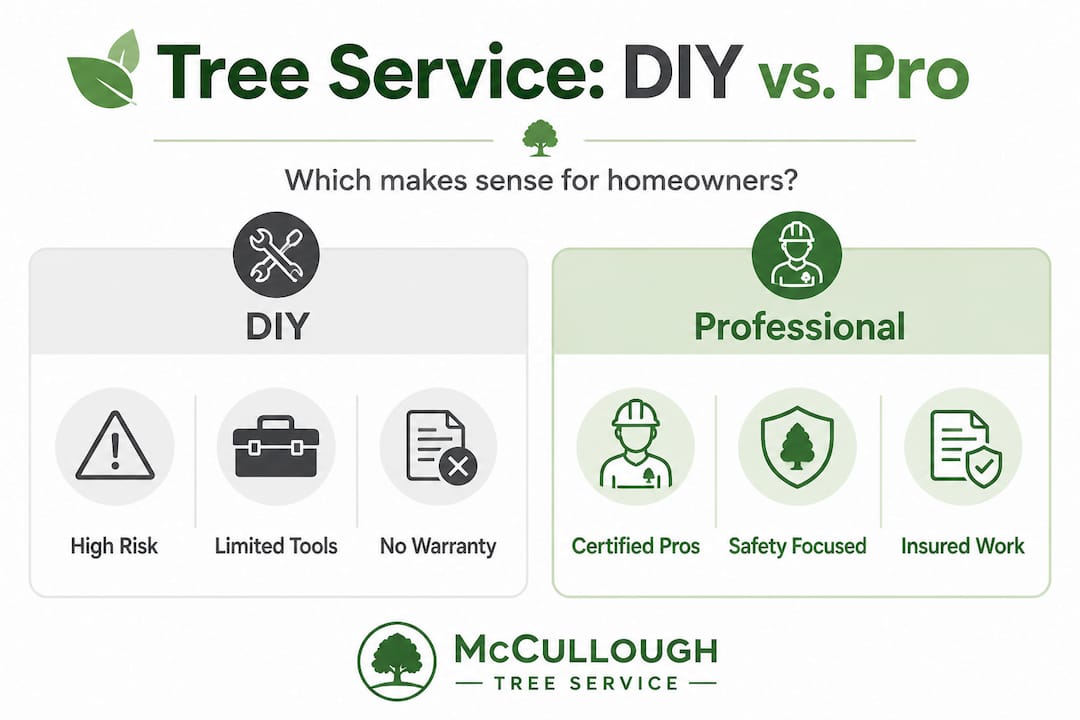
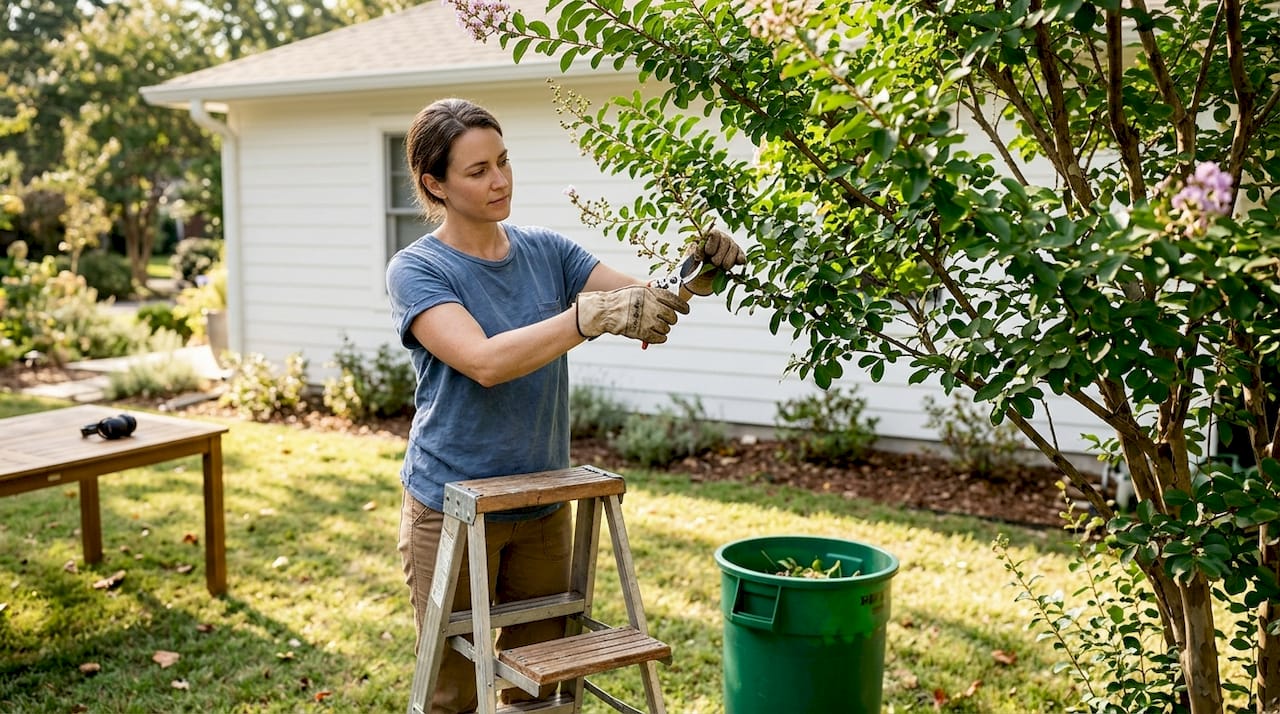
The DIY route might seem appealing for a small limb, but anything involving a ladder, a large canopy, or a tree near a structure should go to a professional. Tree trimming services from a certified team protect both your trees and your safety in ways that weekend work simply cannot match.
It’s also worth noting that ISA Certified Arborists bring over 30 years of combined experience to each job, which means they’ve seen the full range of what Central Florida trees can throw at a property.
How to evaluate and choose the best tree service provider
Knowing your options is one thing. Choosing the right company is another. The tree care industry has a low barrier to entry, which means unqualified operators exist alongside highly trained professionals. Here’s how to tell the difference.
Step-by-step checklist for evaluating a tree service provider:
- Verify ISA certification. Ask for the arborist’s ISA (International Society of Arboriculture) certification number and verify it on the ISA website. This confirms they’ve passed rigorous testing and maintain continuing education.
- Confirm active insurance. The company must carry both general liability insurance and workers’ compensation. Ask for a certificate of insurance before any work begins. If a worker is injured on your property and the company lacks coverage, you could be held responsible.
- Check local experience. Ask specifically about their experience with Central Florida species and storm-related work. A company that has operated in Orange County for years will understand local ordinances and tree behavior better than an out-of-state crew.
- Request a written estimate. Any reputable provider will give you a detailed, itemized estimate before starting work. Vague pricing is a warning sign.
- Review contracts carefully. A written contract protects both parties. It should specify the scope of work, timeline, cleanup responsibilities, and payment terms.
- Read verified reviews. Look for reviews on Google, Yelp, or the Better Business Bureau. Pay attention to how the company responds to negative feedback.
“Choosing a certified arborist isn’t just about getting the job done. It’s about protecting your property, your safety, and your investment for years to come.”
Pro Tip: Before signing anything, ask the company if they follow ANSI A300 standards. These are the industry standards for tree care practices in the United States. A company that knows and follows them is operating at a professional level.
Red flags to watch out for include door-to-door solicitations after storms (often called “storm chasers”), requests for large upfront cash payments, no physical address or local office, and pressure to make quick decisions. These are common tactics used by unqualified operators who disappear after taking your money.
For more guidance on choosing a tree service that meets professional standards, reviewing what separates qualified providers from the rest is time well spent. You can also review certified arborist standards to understand exactly what credentials to look for when making your decision.
When to call a certified arborist in Central Florida
Routine maintenance is one thing. But there are specific situations where a certified arborist isn’t just helpful, it’s essential. Knowing the difference can save you money and prevent serious property damage.
Situations that require a certified arborist:
- A tree is leaning noticeably after a storm or heavy rain
- You notice large dead branches in the upper canopy
- There are mushrooms or fungal growth at the base of a tree trunk
- Bark is cracking, peeling, or showing signs of disease
- A tree is in conflict with power lines, your roof, or a neighbor’s property
- You’re buying or selling a property and need a tree health assessment for legal or insurance purposes
- A tree was recently struck by lightning
Here’s a breakdown of common scenarios and the right response:
| Situation | Urgency level | Recommended action |
|---|---|---|
| Dead branches over a structure | High | Call certified arborist immediately |
| Post-storm lean or root exposure | High | Emergency assessment required |
| Slow canopy decline | Medium | Schedule arborist evaluation within 30 days |
| Routine annual trimming | Low | Schedule during dry season for best results |
| New tree planting | Low | Consult arborist for species and placement |
| Suspected disease or pest | Medium to High | Arborist diagnosis before any treatment |
Pro Tip: The best time to schedule a tree health assessment in Central Florida is before hurricane season begins, ideally between February and April. This gives you time to address any structural issues before summer storms arrive.
A certified arborist evaluation typically includes a visual inspection of the canopy, trunk, and root zone, a written report of findings, and specific recommendations for treatment or removal. This documentation is also valuable if you ever need to file an insurance claim or address a neighbor dispute over a shared tree.
Staying on top of your trees with a tree maintenance checklist designed for Central Florida conditions is one of the most practical things you can do as a property owner. And when you need expert eyes on a specific concern, a certified arborist in Oakland can give you the detailed assessment your property deserves.
Why proper tree service is an investment, not just a maintenance expense
Here’s a perspective most homeowners don’t hear enough: the money you spend on professional tree care is not a cost. It’s a return.
We’ve seen this play out hundreds of times. A property owner skips the annual trim to save a few hundred dollars. Then a storm rolls through, a weakened limb comes down on the roof, and suddenly they’re dealing with a $15,000 insurance claim, a contractor backlog, and months of stress. The original trim would have cost a fraction of that.
Well-maintained trees also add measurable value to your property. Studies consistently show that mature, healthy trees can increase residential property values by anywhere from 10 to 20 percent. In a competitive real estate market like Central Florida, that’s not a small number. Curb appeal matters, and nothing frames a home better than a healthy, properly shaped tree canopy.
There’s also the liability angle that most homeowners underestimate. If a dead tree on your property falls and damages a neighbor’s home or injures someone, you can be held legally responsible, especially if you were aware of the hazard and didn’t address it. A certified arborist’s written assessment creates a documented record that you acted responsibly.
The urban tree care insights for Central Florida make it clear: trees in urban and suburban settings face compounded stress from soil compaction, pollution, and limited root space. They need more attention, not less, compared to trees in natural settings.
Cheap, unqualified work often creates hidden problems. Improper pruning cuts leave wounds that invite disease. Topping a tree, which some unqualified crews still do, destroys its structural integrity and shortens its life dramatically. You end up paying more to fix bad work than you would have spent doing it right the first time.
Investing in certified, professional tree care is the financially smart choice. It reduces emergency costs, protects your property value, and keeps your landscape healthy for decades.
Professional tree care solutions for Oakland, FL
If this article has helped you see your trees differently, the next step is connecting with a team that can put that knowledge to work on your property.
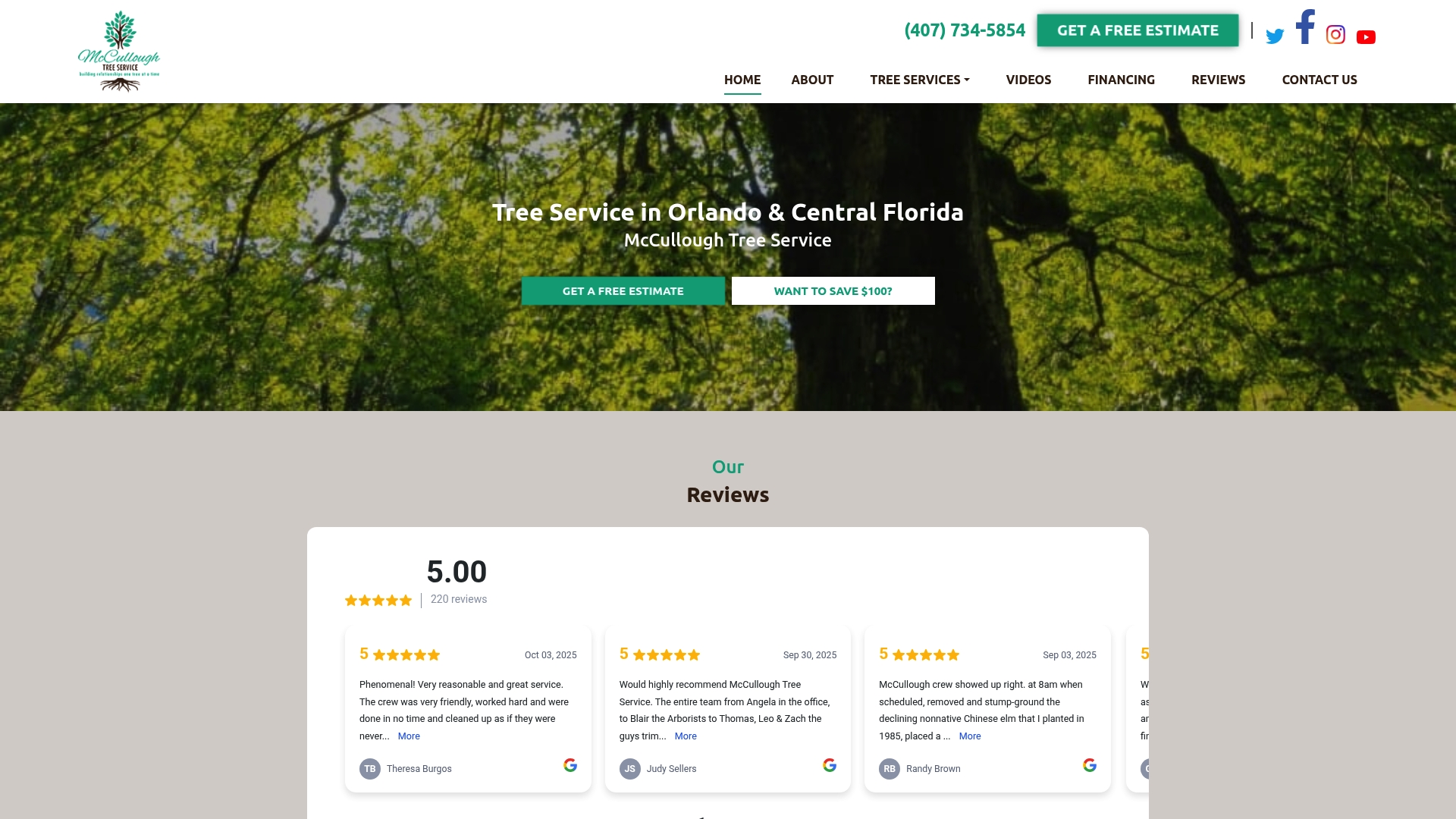
McCullough Tree Service brings ISA-certified arborists, decades of Central Florida experience, and a full range of services to Oakland and the surrounding area. Whether you need professional tree trimming to prepare your canopy for storm season, urgent tree removal services for a hazardous situation, or a thorough evaluation from our certified arborist solutions team, we’re ready to help. We provide clear estimates, written contracts, and work that meets ANSI A300 standards. Contact us today to schedule your assessment and protect what matters most on your property.
Frequently asked questions
How much does tree service typically cost in Oakland, FL?
Costs vary based on job scope, tree size, and service complexity. Expect anywhere from a few hundred dollars for basic trimming to several thousand for large removals or complex storm-damage work.
Why is hiring a certified arborist important?
ISA Certified Arborists are trained to assess tree health, ensure structural safety, and follow industry best practices, which minimizes risk and extends the life of your trees significantly.
When should I prune or remove a tree?
Prune for safety, health improvement, or after storm damage. Removal becomes necessary when a tree is dead, structurally compromised, severely diseased, or poses an immediate hazard to people or structures.
How can I tell if a tree is hazardous?
Look for large dead branches, a noticeable lean, visible root damage, cracks in the trunk, or fungal growth at the base. Always consult a certified arborist for a proper structural assessment before making any decisions.
Is tree maintenance different in Central Florida compared to other areas?
Yes. Central Florida’s storm season, high humidity, sandy soils, and specific tree species create unique care requirements that demand specialized knowledge and approaches not needed in other regions.
Recommended
- Comprehensive Guide to Tree Services in Orlando
- tree service oviedo fl – Resources – McCullough Tree Service
- tree service maitland fl – Resources – McCullough Tree Service
- Best Tree Service in Oakland, FL | Estimate & Financing