By: Shelby McCullough| Published: March 17, 2026
Central Florida homeowners often struggle with timely and effective tree care, leading to declining tree health, safety risks, and diminished curb appeal. Proper maintenance improves tree vitality, protects your property, and enhances landscape beauty year-round. This expert-backed checklist for 2026 addresses the unique challenges of Central Florida’s climate and soil conditions, providing you with actionable steps to maintain healthy, attractive trees. Whether you’re managing mature oaks or young citrus, following this structured approach ensures your trees thrive while avoiding costly mistakes that compromise their long-term health.
Table of Contents
- Understanding Your Tree’s Needs: Diagnosis And Preparation
- Step-By-Step Tree Pruning And Trimming Process
- Nutrient Management And Watering Best Practices
- Monitoring, Mulch Application, And Ongoing Care
- Professional Tree Maintenance Services For Central Florida Homeowners
- FAQ
Key takeaways
| Point | Details |
|---|---|
| Optimal pruning window | Prune trees in late winter or early spring to support healthy structure and minimize stress. |
| Spring fertilization | Apply slow-release fertilizer in early spring, specifically formulated for sandy soils common in Central Florida. |
| Crown vitality threshold | Maintain a live crown ratio above 60% to ensure tree vigor and resilience against disease. |
| Proper mulching technique | Keep mulch rings at least 6 inches away from trunk to prevent rot and pest issues. |
| Regular inspection routine | Monthly checks catch early signs of decline, preventing expensive emergency interventions. |
Understanding your tree’s needs: diagnosis and preparation
Starting with proper diagnosis and preparation ensures that your maintenance efforts will be effective and safe. Before you grab your pruning saw, invest time in assessing your trees’ current condition and gathering the right tools. Identifying signs of a dying tree early allows you to address problems before they escalate into costly removals or property damage.
Central Florida’s unique climate creates specific challenges for tree health. High humidity promotes fungal diseases, while sandy soils drain nutrients quickly, leaving trees vulnerable to deficiencies. Understanding your tree species and its particular needs is essential. Live oaks, for example, require different care than citrus or palms. Recognizing unhealthy tree indicators such as discolored leaves, sparse canopies, or unusual bark texture helps you prioritize which trees need immediate attention.
Gather these essential tools before beginning:
- Sharp bypass pruners for branches up to 3/4 inch diameter
- Loppers for branches 3/4 to 1.5 inches thick
- Pruning saw for larger branches
- Safety glasses and heavy-duty gloves
- Disinfectant solution (10% bleach or 70% isopropyl alcohol)
- Pole pruner for high branches you can safely reach from the ground
Schedule your pruning work for late winter or early spring, typically January through March in Central Florida. This timing allows trees to heal quickly as they enter their active growth phase. Structural pruning best practices recommend this window because it minimizes stress and reduces disease transmission risk. Avoid pruning during active hurricane season or extreme heat, when trees struggle to recover from wounds.
Pro Tip: Disinfect your cutting tools between each tree to prevent spreading diseases like oak wilt or citrus canker. A quick spray with your disinfectant solution takes seconds but protects your entire landscape.
Safety must be your priority. Never attempt to prune branches near power lines or work on large limbs without proper equipment and training. If a branch is higher than you can comfortably reach from the ground with a pole pruner, or if it’s larger than 4 inches in diameter, call a professional. Understanding when to seek expert help is part of responsible tree ownership. Reviewing pruning trees essentials and tips before starting your project builds confidence and helps you avoid common mistakes.
Step-by-step tree pruning and trimming process
With preparation complete, follow these pruning steps precisely to promote healthy tree structure. Proper technique makes the difference between a tree that flourishes and one that declines from improper cuts. Each cut you make triggers a biological response in the tree, so understanding the why behind each step ensures you support rather than harm your trees.
Follow this sequence for optimal results:
- Remove all dead, diseased, and damaged branches first, cutting back to healthy wood or the branch collar.
- Eliminate crossing or rubbing branches that create wounds and entry points for pathogens.
- Thin the canopy using selective cuts to improve air circulation and light penetration.
- Establish a dominant central leader on shade trees by removing competing leaders.
- Space scaffold branches properly, ensuring no branch exceeds half the trunk diameter.
- Make final shaping cuts to guide future growth direction.
Structural pruning best practices emphasize establishing a dominant leader and properly spaced scaffold branches for long-term tree health. This framework creates a strong structure that resists storm damage, a critical consideration in hurricane-prone Central Florida. Your goal is to develop a tree that can withstand high winds while maintaining an attractive, balanced canopy.
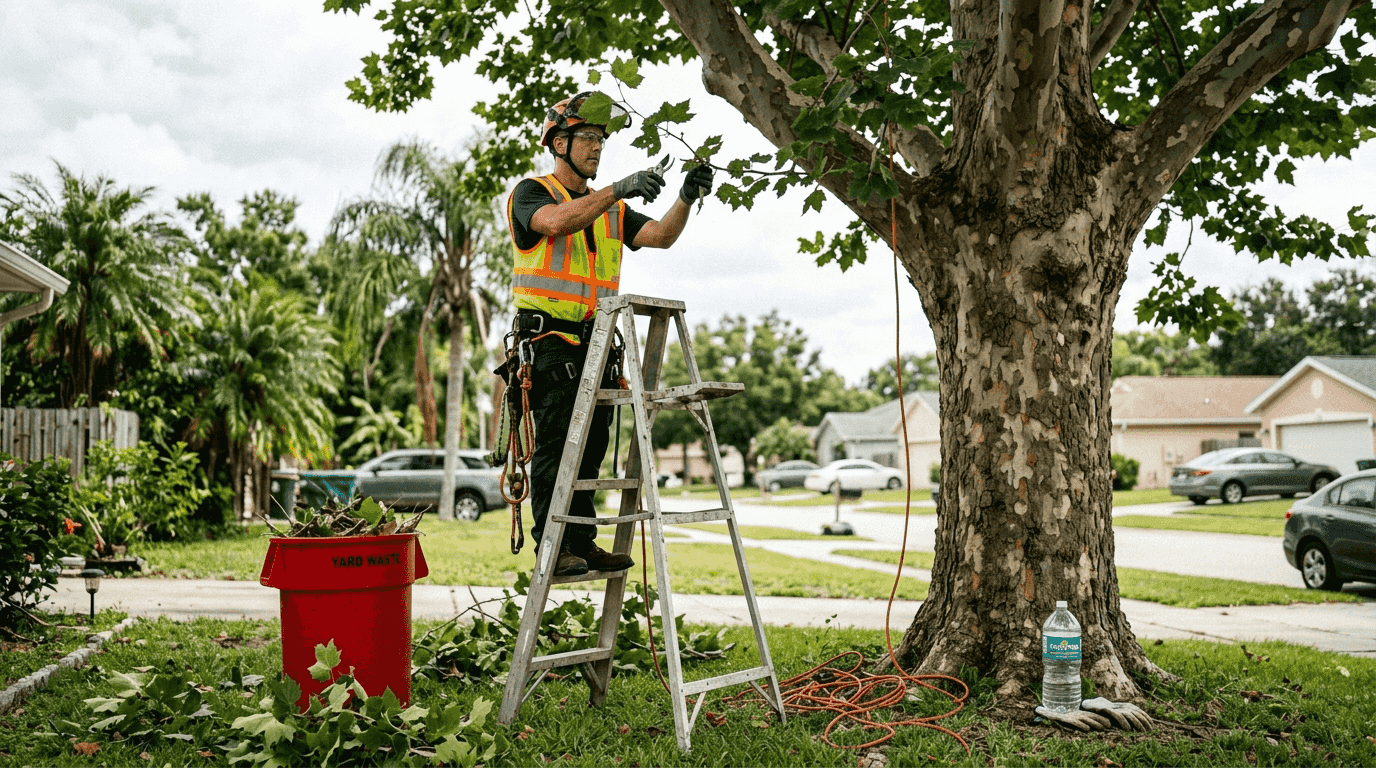
Selective thinning removes entire branches back to their point of origin rather than cutting partway along a branch. This technique encourages the tree’s natural growth pattern and prevents unsightly stubs that invite decay. When thinning, remove no more than 25% of the living canopy in a single year. Over-pruning stresses trees severely, reducing their ability to photosynthesize and defend against pests and diseases.
Heading cuts, which shorten branches by cutting partway along their length, should be used sparingly and only for specific purposes like directing growth away from structures. These cuts stimulate vigorous sprouting below the cut, often creating maintenance problems later. Understanding the difference between trimming and pruning helps you choose the right technique for your goal.
Pro Tip: Always cut just outside the branch collar, the swollen area where a branch meets the trunk or parent branch. This zone contains specialized cells that seal wounds quickly, protecting the tree from decay and disease.
Interestingly, residential and commercial citrus pruning approaches differ significantly, with home orchardists prioritizing tree health over maximum production. This contrasting perspective reminds us that aggressive pruning for size or fruit yield can compromise long-term vitality. Apply this principle to all your trees by favoring conservative, health-focused pruning over dramatic reshaping. Recognizing the importance of tree pruning done correctly motivates homeowners to invest time in learning proper techniques rather than rushing through the job.
Nutrient management and watering best practices
Alongside pruning, proper fertilization and watering complete your tree maintenance routine for vibrant growth. Central Florida’s sandy soils present unique challenges because they drain quickly and hold few nutrients. Understanding how to work with rather than against these soil characteristics ensures your trees receive adequate nutrition without waste or environmental harm.
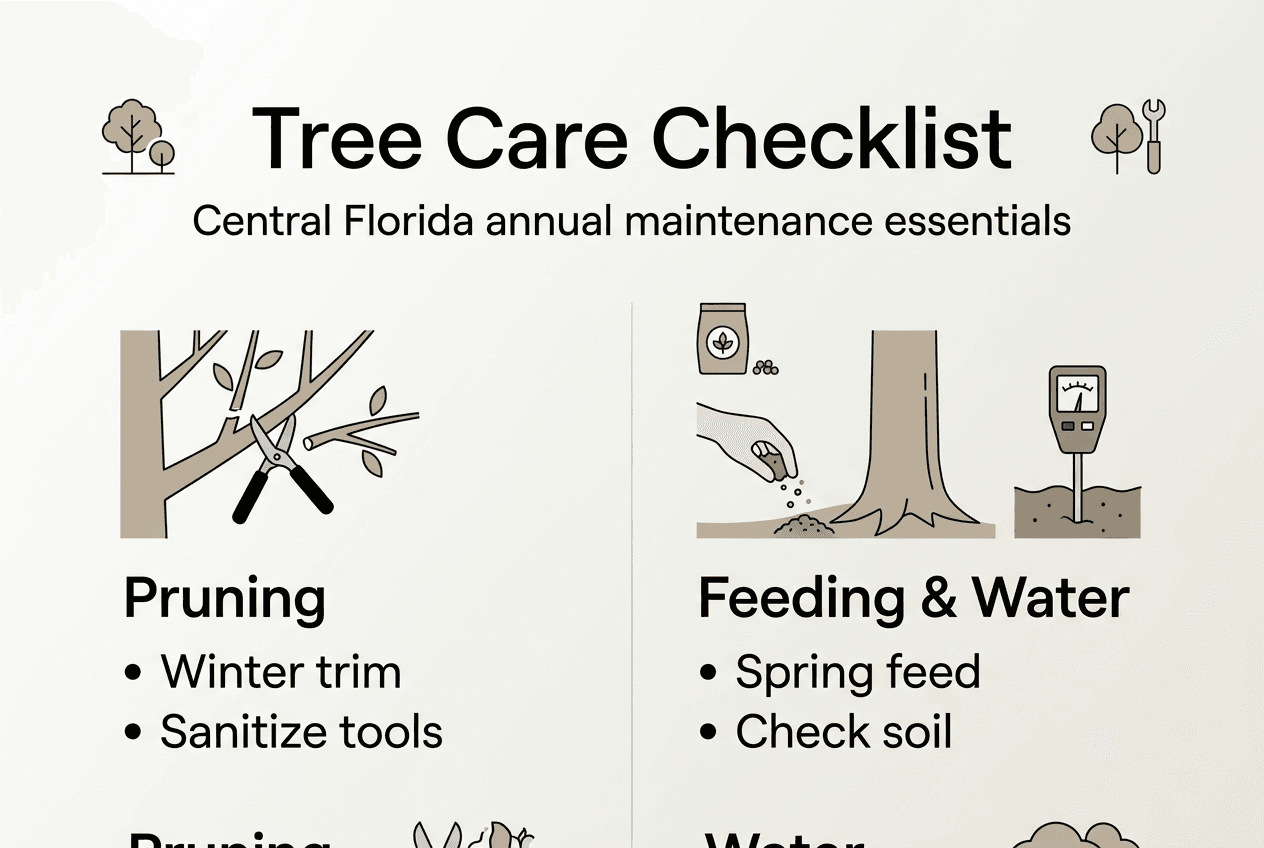
Fertilizing trees in sandy soils requires a spring application of slow-release fertilizer to minimize nutrient leaching during summer rains. Apply fertilizer in early spring, typically March through April, when trees actively take up nutrients for new growth. Avoid summer fertilization because afternoon thunderstorms wash nutrients past the root zone before trees can absorb them, wasting money and potentially polluting groundwater.
Choose a slow-release formulation with an N-P-K ratio appropriate for your tree species. Most landscape trees benefit from a balanced formula like 10-10-10 or one slightly higher in nitrogen. Spread fertilizer evenly throughout the root zone, which extends well beyond the canopy drip line. Water thoroughly after application to move nutrients into the soil where roots can access them.
| Fertilizer timing | Application method | Watering adjustment |
|---|---|---|
| Early spring (March-April) | Broadcast evenly across root zone | Deep watering after application |
| Avoid summer months | Skip to prevent leaching | Maintain regular irrigation |
| Fall (optional light feeding) | Half-strength application if needed | Reduce frequency as temperatures drop |
For citrus trees affected by huanglongbing (HLB), also called citrus greening, irrigation techniques require adjustment with increased frequency using smaller water doses. This approach helps stressed trees maintain adequate hydration without waterlogging roots. If your citrus shows HLB symptoms like yellowing leaves with green veins or lopsided fruit, consult a certified arborist for a management plan.
Maintain a 2 to 4 inch mulch ring around each tree, keeping mulch at least 6 inches away from the trunk. Mulch conserves soil moisture, moderates temperature extremes, and suppresses weeds that compete for water and nutrients. Organic mulches like pine bark or wood chips also improve soil structure as they decompose, gradually increasing the soil’s ability to retain moisture and nutrients.
Pro Tip: Install a simple rain gauge in your landscape to track natural rainfall. Central Florida receives abundant summer rain, but winter and spring can be dry. Supplement natural precipitation to provide 1 to 1.5 inches of water per week during dry periods.
Monitor soil moisture by pushing a screwdriver into the ground near the drip line. If it penetrates easily to 6 inches, moisture is adequate. If you meet resistance, it’s time to water. Adjust your irrigation schedule based on these checks rather than watering on a fixed calendar schedule. This responsive approach prevents both drought stress and overwatering, which can be equally harmful. Implementing comprehensive tree care best practices for 2026 includes this kind of attentive, adaptive management.
Monitoring, mulch application, and ongoing care
With pruning and feeding done, ongoing care and vigilance ensure your trees thrive year-round. Maintenance doesn’t end after your spring pruning session. Regular monitoring catches problems early when they’re easiest and least expensive to address. Developing a monthly inspection routine takes only 15 minutes but can save you thousands in emergency tree removal costs.
Tree health benchmarks include maintaining a live crown ratio above 60% and ensuring no scaffold branch exceeds half the trunk diameter. Check these metrics during your monthly inspections. Live crown ratio is the percentage of the tree’s height that has living branches and foliage. A ratio below 60% indicates declining vigor and increased vulnerability to storms and pests. If you notice this decline, investigate potential causes like root damage, disease, or inadequate water.
Proper mulching technique dramatically impacts tree health. Compare these approaches:
| Proper mulching | Improper mulching |
|---|---|
| 2-4 inch layer across root zone | Piled against trunk (volcano mulching) |
| 6 inch gap around trunk base | Mulch touching bark |
| Organic material like pine bark | Inorganic materials that don’t decompose |
| Replenished annually as it decomposes | Excessive depth (over 6 inches) |
| Extends to drip line or beyond | Limited to small circle around trunk |
Volcano mulching, where mulch is piled against the trunk in a cone shape, remains one of the most common and damaging mistakes homeowners make. This practice traps moisture against bark, promoting rot and creating habitat for insects and disease organisms. It also encourages roots to grow into the mulch layer rather than into the soil, weakening the tree’s stability. Always maintain that 6 inch gap between mulch and trunk.
During monthly inspections, look for these warning signs:
- Discolored, wilting, or prematurely dropping leaves
- Unusual growths, cankers, or oozing sap on bark
- Mushrooms or conks growing on trunk or roots
- Cracks or splits in major branches or trunk
- Leaning or changes in the tree’s angle
- Visible root damage or soil heaving around the base
Pro Tip: Take photos of your trees each season from the same angle. Comparing images over time reveals subtle changes in canopy density, lean, or overall health that you might miss during routine inspections.
When you observe concerning symptoms, consult a professional promptly. Signs your tree needs removal include severe structural damage, extensive decay, or disease that threatens other landscape plants. Early intervention often allows for treatment rather than removal, preserving your landscape investment and the environmental benefits mature trees provide. Professional tree trimming services can address problems beyond DIY capabilities while ensuring work is done safely and correctly.
Professional tree maintenance services for Central Florida homeowners
If your tree maintenance needs exceed DIY capabilities, professional help is an excellent next step. While this checklist empowers you to handle routine maintenance, some situations demand specialized equipment, training, and experience. Recognizing when to call professionals protects both you and your trees from harm.
Certified arborists understand Central Florida’s unique tree species, soil conditions, and pest pressures. They can diagnose complex health issues, recommend treatment plans, and execute pruning work on large or hazardous trees safely. A certified arborist brings years of training and hands-on experience to every job, ensuring work follows industry best practices and local regulations.
McCullough Tree Service offers comprehensive tree trimming services tailored to Central Florida landscapes. Whether you need routine maintenance pruning, storm damage cleanup, or health assessments for declining trees, professional care preserves your property’s value and beauty. Understanding tree care fundamentals helps you communicate effectively with arborists and make informed decisions about your landscape. Investing in professional tree care when needed protects your home, enhances curb appeal, and ensures your trees remain healthy assets for decades to come.
FAQ
How often should I prune my trees in Central Florida?
Most trees benefit from annual pruning in late winter or early spring, typically January through March, before new growth starts. Structural pruning for tree health is most effective during this dormant period when trees heal quickly and disease transmission risk is lowest. Young trees may need more frequent attention to establish good structure, while mature trees often require only maintenance pruning every 2 to 3 years. Avoid heavy pruning outside this window to minimize stress, though you can remove dead or hazardous branches anytime.
When is the best time to fertilize my trees?
Apply slow-release fertilizer in early spring, typically March through April in Central Florida, to optimize nutrient absorption as trees begin active growth. Fertilizing in sandy soils requires spring timing because summer application leads to nutrient leaching during afternoon thunderstorms. Avoid fertilizing during hot summer months when heavy rains wash nutrients past the root zone before trees can use them. A single spring application of slow-release fertilizer usually provides adequate nutrition for the entire growing season.
How do I know if my tree needs professional care or removal?
Look for severe structural damage like large cracks in the trunk, extensive decay visible through cavities or mushroom growth, or significant pest infestation that hasn’t responded to treatment. If your tree leans suddenly, drops large branches without warning, or shows rapid decline across the entire canopy, consult professionals immediately. Signs your tree needs removal include irreversible disease, root system failure, or proximity to structures that creates unacceptable risk. When safety concerns arise or tree health declines beyond your ability to diagnose and treat, professional evaluation is essential.
What are some essential safety tips for tree maintenance?
Always wear protective gear including safety glasses, heavy-duty gloves, long sleeves, and sturdy closed-toe boots when pruning. Never climb trees without proper training and equipment like harnesses and ropes rated for tree work. Avoid working near power lines entirely, as even seemingly dead lines can be energized and deadly. Never use ladders for tree work because they’re unstable on uneven ground and don’t provide secure positioning for cutting. If you can’t reach a branch safely from the ground with a pole pruner, or if the branch is larger than 4 inches in diameter, hire a professional with the right equipment and expertise.
Recommended
- 7 Essential Tree Care Tips 2025 for Orlando Homeowners
- Why routine arborist inspections matter for Central Florida trees
- Tree Care Best Practices 2025—Health and Storm Safety
- Tree Care Process 2025: Achieve Healthy Trees in Orlando