By: Shelby McCullough| Published: January 12, 2026
Most American homeowners in Central Florida are surprised to learn that not every tree worker is certified. After severe storms, the difference between a healthy, beautiful yard and costly damage often depends on expert tree care. Certified arborists bring advanced skills and professional standards that protect your property’s value and safety. This guide reveals the facts and dispels common myths about arborist certification to help you make informed choices for lasting tree health.
Table of Contents
- Defining Arborist Certification And Common Myths
- Types Of Arborist Credentials And Who Grants Them
- Requirements For Certification And Renewal
- Core Skills And Responsibilities Of Certified Arborists
- Legal, Financial, And Safety Implications
- Benefits For Florida Homeowners After Storms
Key Takeaways
| Point | Details |
|---|---|
| Arborist certification signifies expertise | Certification demonstrates specialized knowledge in tree care, setting certified arborists apart from general tree workers. |
| Voluntary, not mandated | Arborist certification is a personal achievement reflecting commitment, rather than a government requirement. |
| Continuous education is essential | Certified arborists must complete ongoing education to maintain their credentials and stay updated in the field. |
| Strategic support after storms | Certified arborists provide critical assessments and recovery strategies that enhance safety and property management following storm damage. |
Defining Arborist Certification and Common Myths
Arborist certification represents a professional credential demonstrating specialized knowledge and expertise in tree care, maintenance, and management. Unlike generic landscaping services, certified arborists undergo rigorous training and examination to validate their understanding of complex tree biology, health assessment, and safe maintenance practices. The certification process establishes professional standards that distinguish highly trained professionals from general tree workers.
Contrary to popular misconceptions, arborist certification is not a government mandate but a voluntary professional achievement. Many homeowners mistakenly believe that all tree service professionals are automatically certified, when in reality, certification is a deliberate choice that signals commitment to excellence. Professional expertise in arboriculture requires continuous learning, with certified arborists required to complete ongoing educational credits to maintain their credentials.
The primary myths surrounding arborist certification often revolve around its perceived limitations and requirements. Some believe certification guarantees perfect performance, while others think it is unnecessary. In truth, certification demonstrates a standardized level of knowledge about tree care, safety protocols, and diagnostic skills. It represents a professional’s dedication to understanding intricate details of tree health, structural integrity, and environmental interactions specific to regions like Central Florida.
Pro tip: When hiring a tree service professional in Florida, always request to see their current arborist certification to ensure you are working with a genuinely qualified expert.
Types of Arborist Credentials and Who Grants Them
The International Society of Arboriculture (ISA) stands as the premier organization responsible for granting professional arborist credentials in the United States and globally. Multiple specialized arborist credentials recognize different levels of expertise and professional focus within tree care and management. These credentials range from entry-level certifications to advanced professional designations, each requiring specific experience, training, and successful examination.
Primary ISA credentials include the Certified Arborist, which serves as a foundational professional designation demonstrating core competency in tree care. More specialized credentials include Certified Utility Specialist, Certified Municipal Arborist, Certified Tree Worker Climber Specialist, and the prestigious Board Certified Master Arborist (BCMA). Arborist credentials target specific professional competencies such as utility vegetation management, urban forestry, risk assessment, and consulting services.
Beyond ISA, other organizations contribute to professional arborist credentialing. The American Society of Consulting Arborists (ASCA) offers the Registered Consulting Arborist (RCA) credential, which focuses on expert witness and consulting services. State-level forestry departments and professional associations may also offer additional specialized credentials that complement national certifications, ensuring professionals maintain high standards of expertise specific to regional tree care challenges.
Here’s a summary of major arborist credentials and what they focus on:
| Credential Name | Granting Organization | Primary Focus |
|---|---|---|
| Certified Arborist | International Society of Arboriculture (ISA) | General tree care expertise |
| Utility Specialist | ISA | Utility vegetation management |
| Municipal Arborist | ISA | Urban forestry and city landscapes |
| Tree Worker Climber Specialist | ISA | Climbing-based tree work |
| Board Certified Master Arborist | ISA | Advanced leadership and consulting |
| Registered Consulting Arborist | American Society of Consulting Arborists (ASCA) | Expert witness and consulting |
Pro tip: Always verify an arborist’s current certification status directly with the issuing organization to ensure their credentials remain active and valid.
Requirements for Certification and Renewal
Becoming a certified arborist requires meeting rigorous professional standards that validate an individual’s expertise and commitment to tree care. Certification prerequisites typically involve demonstrating substantial work experience or relevant educational qualifications in arboriculture. Most professional-level certifications demand a minimum of three years of full-time work experience in the field, with alternative pathways available for those with advanced academic credentials in forestry, horticulture, or related environmental sciences.
The certification examination represents a critical milestone in an arborist’s professional journey. Comprehensive certification exams typically span 3.5 hours and consist of 200 multiple-choice questions covering extensive domains such as tree biology, maintenance techniques, safety protocols, urban forestry principles, and advanced diagnostic skills. The exam tests not just theoretical knowledge but practical understanding of complex arboricultural challenges specific to diverse environmental contexts.
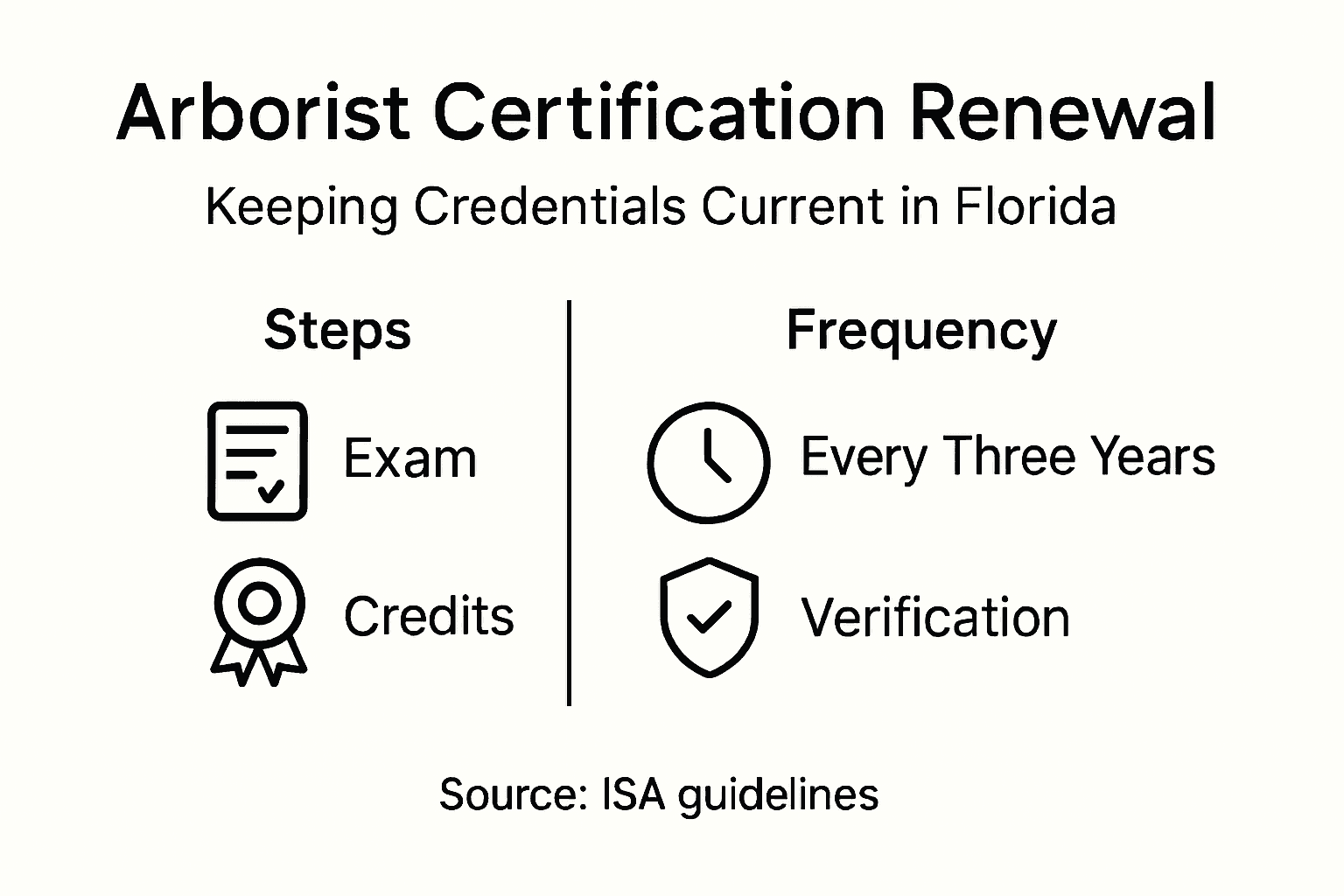
Renewal of professional certification is designed to ensure continuous learning and skill development. Certified arborists must accumulate at least 30 continuing education credits (CECs) during each three-year certification cycle. These credits can be earned through professional workshops, conferences, specialized training programs, and academic courses that demonstrate ongoing commitment to advancing professional knowledge and staying current with emerging tree care technologies and research.
Pro tip: Track your continuing education credits meticulously throughout your certification cycle and maintain comprehensive documentation to streamline the renewal process.
Core Skills and Responsibilities of Certified Arborists
Comprehensive tree care expertise defines the professional role of certified arborists, encompassing far more than simple tree maintenance. These highly trained professionals serve as sophisticated environmental specialists who diagnose, treat, and manage individual trees with scientific precision. Their responsibilities extend beyond basic trimming and removal, including complex tasks such as detailed health assessments, disease identification, pest management, and advanced risk evaluation for residential and commercial properties.
Certified arborists employ a sophisticated range of technical skills that blend scientific knowledge with hands-on practical techniques. They specialize in advanced pruning methods, strategic tree planting, soil modification, and emergency tree care, particularly critical in storm-prone regions like Central Florida. Professional arborists provide comprehensive tree management that involves recommending appropriate tree species for specific environmental conditions, understanding local ecological dynamics, and implementing targeted interventions to promote tree health and community safety.
Beyond physical tree care, certified arborists play a crucial educational and advisory role. They frequently consult with property owners, municipalities, and utility companies to develop comprehensive tree management strategies. Their expertise encompasses legal consulting, providing expert testimony in property disputes, conducting thorough tree risk assessments, and developing long-term landscape management plans that balance environmental conservation with human safety and infrastructure protection.
Pro tip: Request documentation of an arborist’s current certifications and specialized training before engaging their services to ensure you’re receiving expert-level tree care.
Legal, Financial, and Safety Implications
Florida’s tree care regulations have evolved to establish critical legal frameworks that protect property owners, public safety, and professional standards in arboriculture. Certified arborists navigate a complex landscape of liability and risk management, where their professional assessments can have significant legal and financial consequences. These professionals are increasingly recognized as essential experts who provide objective, scientifically grounded evaluations that can mitigate potential legal disputes and property damage risks.
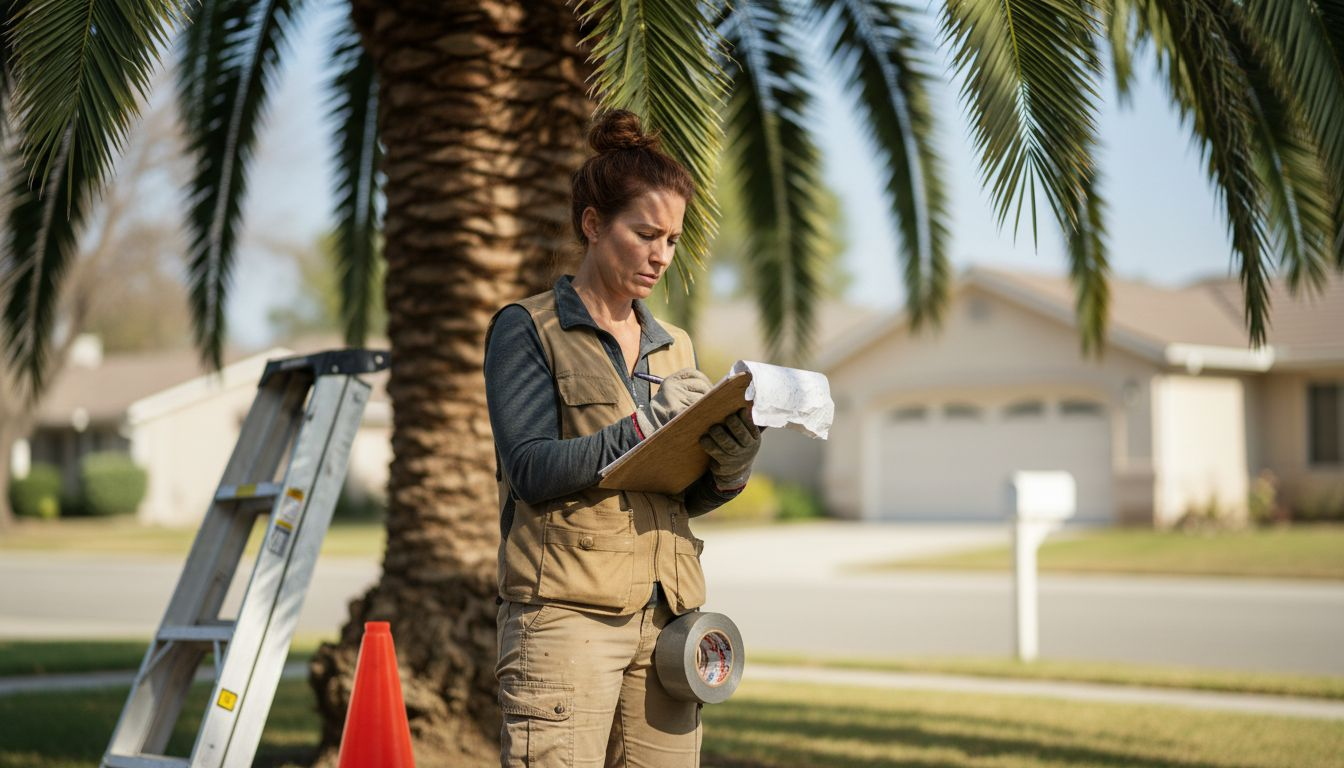
Legal standards in tree management have shifted dramatically, with recent legislative changes transforming how tree-related risks are evaluated and addressed. Standardized risk assessment practices now require certified arborists to employ precise, measurable criteria when evaluating tree conditions. This approach provides property owners with clear documentation that can be crucial in insurance claims, property transactions, and potential litigation, effectively reducing financial uncertainty and potential legal exposure.
Financial implications of professional arborist services extend beyond immediate tree maintenance costs. Certified professionals help property owners avoid potentially catastrophic expenses associated with tree failures, storm damage, and infrastructure interference. Their comprehensive risk assessments can lead to strategic tree management that prevents costly emergency interventions, reduces insurance premiums, and maintains property values by ensuring trees remain healthy, structurally sound, and compliant with local regulatory standards.
Below is a comparison of key legal, financial, and safety impacts of certified arborist services:
| Impact Category | How Arborists Help | Benefit to Property Owners |
|---|---|---|
| Legal | Provide formal risk assessments | Help prevent disputes |
| Financial | Conduct strategic tree management | Lower emergency costs |
| Safety | Identify and remove hazards | Reduce risk of injuries |
| Regulatory | Ensure legal tree care compliance | Protect against code violations |
Pro tip: Request a comprehensive written risk assessment from your certified arborist, which can serve as critical documentation for insurance purposes and potential legal protection.
Benefits for Florida Homeowners After Storms
Storm damage recovery expertise transforms the challenging post-hurricane landscape for Florida homeowners, providing critical professional support during vulnerable recovery periods. Certified arborists bring specialized knowledge that goes far beyond basic tree removal, offering comprehensive assessments that protect property, ensure safety, and facilitate strategic landscape restoration. Their systematic approach helps homeowners navigate the complex aftermath of severe weather events, identifying potential hazards and developing targeted recovery strategies.
Professional arborists provide essential services that directly mitigate financial and safety risks associated with storm damage. Advanced tree care techniques enable precise identification of structurally compromised trees, safely removing hazardous limbs and preventing potential property damage. Their expertise includes detailed risk assessments, strategic pruning, and recommendations for replanting that consider Florida’s unique ecological conditions, helping homeowners make informed decisions about landscape recovery and future resilience.
Beyond immediate storm response, certified arborists offer long-term landscape management strategies that protect property values and enhance environmental sustainability. They understand the intricate relationships between tree health, soil conditions, and regional climate challenges specific to Central Florida. By providing scientific, objective evaluations, these professionals help homeowners develop proactive tree care plans that reduce future storm vulnerability, potentially lowering insurance costs and minimizing potential property damage.
Pro tip: Document all storm-related tree damage with professional photographs and certified arborist assessments to support potential insurance claims and future landscape restoration efforts.
Trust Certified Arborists for Expert Tree Care in Florida
Understanding the importance of arborist certification highlights the critical need for professional, reliable tree care in Florida’s unique environment. If you are a homeowner or business owner concerned about tree health, storm damage recovery, or safety risks, you want a team that meets rigorous standards and maintains up-to-date credentials. Certified arborists bring expert knowledge in risk assessment, tree biology, and regulatory compliance, which directly protects your property and investment.
McCullough Tree Service provides comprehensive tree care solutions with a team of licensed and certified arborists who specialize in everything from storm cleanup to precise tree trimming and strategic planting. Their commitment to ongoing education and certification ensures your property receives trusted care tailored to Central Florida’s climate challenges. Discover how expert certification transforms quality tree service and safeguards your landscape.
Ready to work with proven arborist professionals who prioritize your safety and property value? Visit McCullough Tree Service today to learn more about our certified arborist credentials and schedule your expert tree health assessment. Don’t wait until a storm hits—start protecting your trees now with trusted, certified care. Explore detailed service options and customer reviews at McCullough Tree Service and secure your free estimate today.
Frequently Asked Questions
What is arborist certification?
Arborist certification is a professional credential that indicates specialized knowledge and expertise in tree care, maintenance, and management. Certified arborists undergo rigorous training and examinations to validate their understanding of tree biology, health assessment, and safe maintenance practices.
Why is it important to hire a certified arborist?
Hiring a certified arborist ensures that you are working with a professional who has met specific standards of knowledge and expertise in tree care. Certification demonstrates a commitment to excellent practices, safety protocols, and ongoing education in arboriculture, which can help protect your property and trees.
How can I verify an arborist’s certification?
You can verify an arborist’s certification by checking their current status with the issuing organization, such as the International Society of Arboriculture (ISA). This ensures that their credentials remain active and valid.
What are the requirements for becoming a certified arborist?
To become a certified arborist, individuals typically need to demonstrate substantial work experience in arboriculture, often a minimum of three years, or hold relevant educational qualifications. They must also pass a comprehensive certification exam that covers various tree care topics.
Recommended
- Arborist Certification: Why It Matters in Central Florida
- Tree Care Certification Explained: Florida’s New Standards
- Why Hire Certified Arborists for Safe Tree Care
- Role of Tree Trimming in Central Florida Landscapes
- Tree Removal Altamonte Springs FL
- Tree Service Altamonte Springs FL