By: Shelby McCullough| Published: March 22, 2026
Tree stumps left behind after tree removal create more than just an eyesore in your Central Florida yard. They pose tripping hazards for children and guests, attract termites and other pests, and complicate lawn maintenance. Whether you’re dealing with one stubborn stump or several after storm cleanup, you have practical options. This guide walks you through safe DIY removal methods using manual tools or chemical treatments, explains when professional stump grinding makes more sense, and provides step-by-step instructions to restore your property’s safety and curb appeal.
Table of Contents
- Key takeaways
- Understanding tree stumps and removal options
- Preparing for stump removal: tools, safety, and site readiness
- Step-by-step guide to removing tree stumps yourself
- When and why to hire professional stump grinding services
- Why choose McCullough Tree Service for stump removal in Central Florida
- Frequently asked questions about stump removal
Key Takeaways
| Point | Details |
|---|---|
| Proper removal method | Select manual, chemical, burning, or grinding based on stump size, location, and budget. |
| Safety and site prep | Clear a wide work area, mark underground utilities by calling 811, and wear protective gear before starting any stump removal. |
| Professional grinding option | For large or multiple stumps, grinding with specialized equipment offers quick thorough removal. |
| Stump size dictates method | Stumps under 12 inches in diameter are easier to remove manually, while larger ones often require grinding or professional service. |
Understanding tree stumps and removal options
Tree stumps consist of the remaining trunk section and extensive root system left after cutting down a tree. These remnants present multiple challenges for Central Florida homeowners beyond their unsightly appearance. Stumps interfere with mowing patterns, create tripping hazards in high-traffic areas, provide nesting sites for termites and carpenter ants, and prevent you from replanting or landscaping that section of your yard.
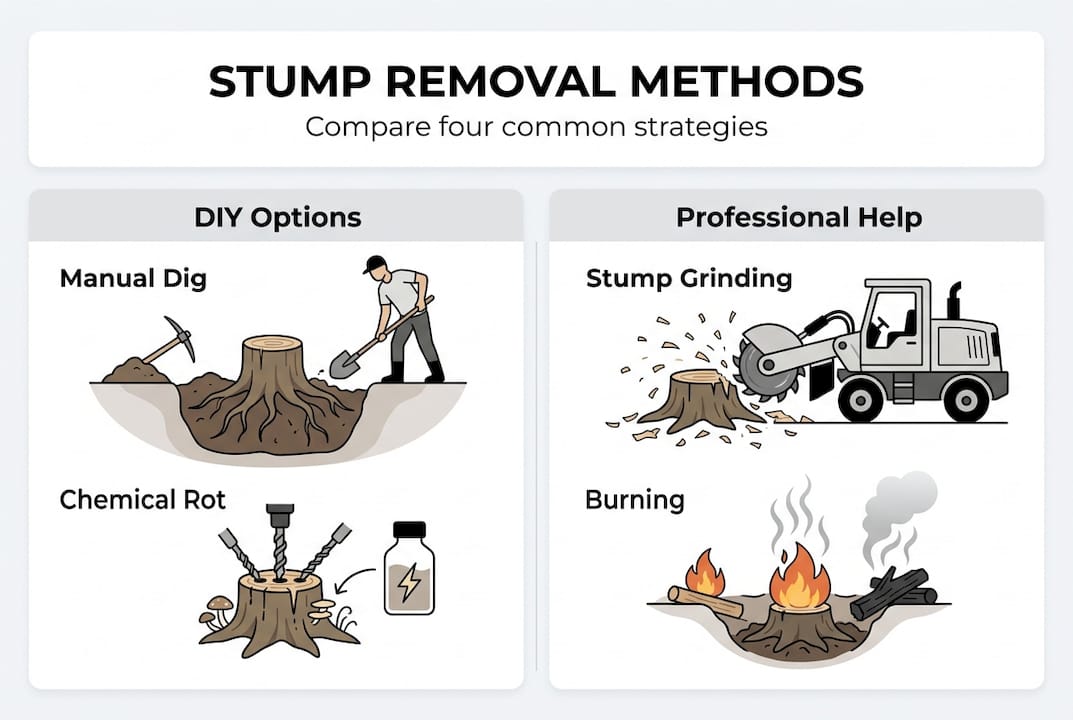
You have four primary removal methods to consider. Manual digging involves excavating around the stump and cutting roots with hand tools until you can lever it out. Chemical treatments use potassium nitrate or other compounds to accelerate decomposition over several weeks. Burning requires drilling holes, adding fuel, and igniting the stump in a controlled manner. Professional stump grinding uses specialized machinery to chip the stump into mulch below ground level.
Each method has distinct advantages and limitations:
- Manual removal works best for stumps under 12 inches in diameter with shallow root systems
- Chemical treatments require minimal physical effort but take 4 to 12 weeks to soften wood
- Burning creates fire hazards and may violate local ordinances in residential areas
- Grinding completes removal in hours and handles stumps of any size safely
| Method | Best For | Time Required | Physical Effort | Cost Range |
|---|---|---|---|---|
| Manual digging | Small stumps under 12 inches | 3-8 hours | Very high | $20-50 tools |
| Chemical treatment | Medium stumps, patient homeowners | 4-12 weeks | Low | $15-30 chemicals |
| Burning | Rural properties only | 12-24 hours | Medium | $10-25 fuel |
| Professional grinding | Any size, fastest results | 1-3 hours | None | $100-400 per stump |
Choosing the right approach depends on your stump’s diameter and root spread, its proximity to structures or utilities, your available time and budget, and your comfort level with power tools. Small ornamental tree stumps in open lawn areas make good DIY candidates. Large oak or pine stumps with extensive roots typically justify professional services.
Preparing for stump removal: tools, safety, and site readiness
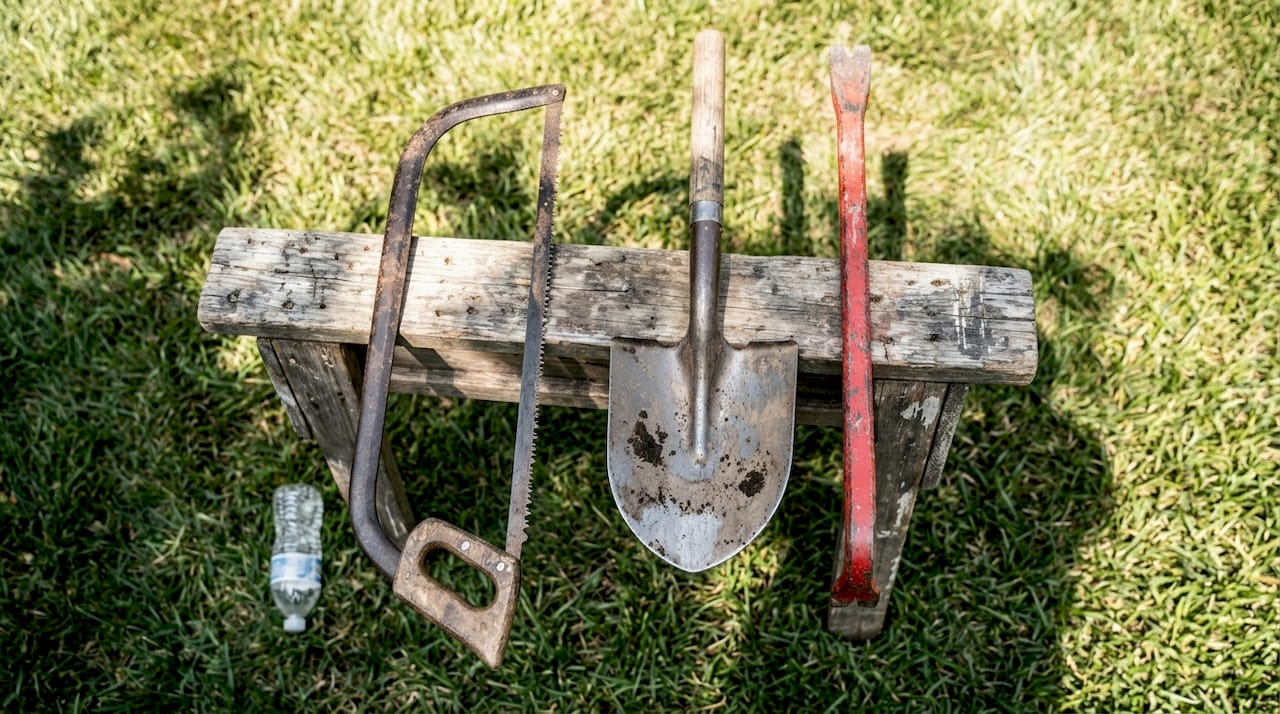
Successful stump removal starts with gathering appropriate equipment before you begin physical work. For manual removal, you need a pointed shovel for digging, a mattock or pickaxe for severing roots, a bow saw or reciprocating saw for cutting, and a steel pry bar for leverage. Chemical removal requires only a power drill with a large bit, potassium nitrate stump remover, and an axe to break apart softened wood later. Renting a stump grinder costs $100 to $200 per day from equipment rental centers and includes the machine, safety instructions, and sometimes delivery.
Safety equipment protects you from common injuries during stump work. Heavy-duty work gloves prevent blisters and cuts from sharp roots and tools. Safety goggles shield your eyes from wood chips and flying debris. Steel-toed boots protect your feet if tools slip or heavy wood falls. Long pants and sleeves guard against scratches from exposed roots and splinters. Following safety protocols during any tree-related work significantly reduces injury risk.
| Equipment Category | Specific Items | Purpose |
|---|---|---|
| Digging tools | Pointed shovel, mattock, pickaxe | Expose and sever roots |
| Cutting tools | Bow saw, reciprocating saw, axe | Cut through thick roots |
| Leverage tools | Steel pry bar, come-along winch | Remove freed stump |
| Safety gear | Gloves, goggles, boots, long clothing | Prevent injuries |
| Chemical supplies | Drill, large bit, stump remover | Accelerate decomposition |
| Grinding rental | Stump grinder machine | Professional-grade removal |
Preparing your work site prevents accidents and makes removal easier. Clear a 10-foot radius around the stump of toys, furniture, and lawn decorations. Mark the location of underground utilities by calling 811 at least two days before digging. This free service identifies buried electric, gas, water, and cable lines to prevent lawn damage and dangerous utility strikes. Remove any loose rocks or debris that could become projectiles if struck by grinding equipment.
Check local regulations before attempting stump burning, as many Central Florida municipalities prohibit open fires in residential zones due to wildfire risk and air quality concerns. Even where legal, burning requires a fire permit, constant supervision, and a water source nearby. Chemical treatments have no regulatory restrictions but work slowly, so plan accordingly if you need the area cleared by a specific date.
Pro Tip: Schedule stump removal for cooler morning hours in Central Florida’s climate. Working in temperatures below 85 degrees reduces fatigue and heat-related illness risk during physically demanding manual removal.
Step-by-step guide to removing tree stumps yourself
Removing a stump yourself requires methodical execution and realistic expectations about the time and effort involved. Follow these steps for the best results:
- Assess your stump’s characteristics before committing to a method. Measure the diameter at ground level and estimate the root spread, typically 1.5 times the diameter. Check the wood’s condition by striking it with a hammer; soft, punky wood indicates decay that makes removal easier. Consider the tree species, as pines have shallower roots than oaks. Small stumps under 10 inches in relatively soft soil make the best DIY candidates.
- Set up your work area with all tools within easy reach and safety gear properly fitted. Position a tarp nearby for collecting debris and soil. If using manual methods, start digging a trench around the stump about 2 feet from its edge, going down 12 to 18 inches to expose major roots. For chemical removal, drill multiple holes 8 to 12 inches deep and 1 inch in diameter across the stump’s top surface, spacing them 3 to 4 inches apart.
- Execute manual removal by cutting exposed roots with your saw as you encounter them in the trench. Work around the entire perimeter before attempting to remove the stump. Use the mattock to sever smaller roots and the pry bar to test whether the stump loosens. Once most roots are cut, rock the stump back and forth while prying upward. You may need to cut additional roots underneath as they become accessible. This process typically takes 4 to 8 hours for a medium-sized stump.
- Apply chemical treatment by filling drilled holes with potassium nitrate stump remover according to package directions. Pour water into the holes to activate the chemical, then cover the stump with a plastic tarp weighted down at the edges. Chemical removal requires patience as the compound accelerates natural decomposition over 4 to 12 weeks. Check monthly by attempting to break apart the wood with an axe. When the stump crumbles easily, dig out the softened pieces and fill the hole.
- Clean up and restore the area after stump removal. Break apart removed stumps for easier disposal or use them as firewood if the wood is sound. Fill the resulting hole with topsoil, mounding it slightly to account for settling. Tamp the soil firmly and water it thoroughly. You can seed grass immediately or wait a few weeks for the soil to settle completely. Proper cleanup prevents depressions that collect water and create muddy spots in your lawn.
Pro Tip: Work during the cooler parts of the day to maintain energy and focus during physically demanding manual removal. Start early morning and take frequent breaks to avoid exhaustion and mistakes that lead to injuries.
Common pitfalls to avoid include underestimating the root system’s extent, which leads to frustration when the stump won’t budge. Many homeowners also neglect to call 811 before digging, risking utility damage and expensive repairs. Rushing chemical treatments by trying to remove the stump before it has fully softened wastes effort and chemicals. Finally, failing to wear proper safety gear, especially eye protection during root cutting, causes preventable injuries.
When and why to hire professional stump grinding services
Professional stump grinding services offer significant advantages over DIY methods for many situations. Professional grinding removes stumps 6 to 12 inches below ground level, completely eliminating tripping hazards and allowing immediate replanting or construction. The specialized equipment chips the entire stump into mulch in 1 to 3 hours regardless of size, compared to days or weeks for DIY approaches.
Certified arborists operate commercial-grade grinders that handle stumps up to 36 inches in diameter safely and efficiently. These machines grind stumps into fine wood chips that you can use as mulch or have removed as part of the service. Professional operators know how to navigate around obstacles like fences, foundations, and landscape features without causing damage. They also understand Central Florida’s common tree species and adjust their approach for different root structures.
Consider hiring professionals when you face these situations:
- Stumps larger than 12 inches in diameter that would take days to remove manually
- Multiple stumps across your property that make rental equipment cost-effective
- Stumps located near structures, utilities, or valuable landscaping requiring precision
- Limited time or physical ability to complete strenuous manual labor
- Desire for immediate results rather than waiting weeks for chemical decomposition
- Need for thorough root removal to prevent regrowth and future problems
The cost of professional tree removal and grinding typically ranges from $100 to $400 per stump depending on diameter, location accessibility, and root complexity. This investment includes equipment, expertise, labor, and often debris removal. Many companies offer discounts for multiple stumps during a single visit, making professional service more economical than renting equipment and spending your weekend on backbreaking work.
| Service Aspect | DIY Approach | Professional Service |
|---|---|---|
| Time required | 4-8 hours per stump (manual) or 4-12 weeks (chemical) | 1-3 hours total including cleanup |
| Equipment cost | $100-200 rental plus fuel | Included in service price |
| Physical effort | Extreme for manual methods | None required from homeowner |
| Results depth | Surface level or incomplete root removal | 6-12 inches below ground |
| Site cleanup | Homeowner responsibility | Typically included in service |
| Safety risk | Moderate to high for inexperienced users | Minimal, handled by trained operators |
Choosing a reputable service provider requires verifying their credentials and insurance coverage. Look for companies with certified arborists on staff, as this certification demonstrates expertise in tree biology and proper removal techniques. Confirm they carry liability insurance and workers’ compensation to protect you from financial responsibility if accidents occur on your property. Request references from recent customers and check online reviews for consistent quality feedback. Get written estimates from at least three companies to compare pricing and services included.
Why choose McCullough Tree Service for stump removal in Central Florida
When you’re ready to eliminate stubborn stumps from your Central Florida property, McCullough Tree Service brings certified expertise and specialized equipment to complete the job safely and efficiently. Our team understands the unique challenges of Central Florida’s soil conditions, common tree species, and residential landscapes.

Our certified arborists provide comprehensive stump grinding services that remove stumps completely below ground level, allowing you to reclaim your yard space immediately. We handle stumps of any size with professional-grade equipment that minimizes lawn disruption while delivering thorough results. Beyond stump removal, we offer complete professional tree removal and expert tree trimming services to maintain your property’s health and appearance. Contact us today for a free consultation and discover how our local expertise and commitment to quality can transform your outdoor space.
Frequently asked questions about stump removal
How long does it take for chemical stump removal to work?
Chemical stump removal typically requires 4 to 12 weeks depending on the stump’s size, wood density, and the specific product used. Hardwood stumps like oak take longer than softwood pine stumps. You’ll know the treatment has worked when the wood becomes soft and crumbly enough to break apart easily with an axe. Patience and proper application of the chemical according to manufacturer instructions are essential for success.
Can I remove a stump without heavy machinery?
Small stumps under 12 inches in diameter can often be removed manually using shovels, saws, and pry bars, though it requires significant physical effort over several hours. Chemical treatments offer another no-machinery option but take weeks to months. Large stumps or those with extensive root systems realistically require professional grinding equipment for efficient and safe removal. Attempting to remove large stumps manually often proves frustrating and risks injury.
Is stump grinding necessary after tree removal?
Stump grinding isn’t legally required but provides important benefits for your property. Grinding removes stumps 6 to 12 inches below ground level, eliminating tripping hazards and preventing pest infestations in decaying wood. It also allows you to replant, build structures, or landscape the area immediately rather than waiting years for natural decomposition. The resulting wood chips can be used as mulch or removed based on your preference.
What safety precautions should I take during stump removal?
Always wear heavy-duty gloves, safety goggles, steel-toed boots, and long clothing to protect against cuts, flying debris, and falling wood. Call 811 at least two days before digging to mark underground utilities and prevent dangerous strikes. If using power equipment, read all instructions carefully and never operate machinery when fatigued. Keep children and pets at least 50 feet away from the work area, and have a first aid kit readily available. Working with a partner provides help in emergencies and makes the job safer overall.
Recommended
- What is stump grinding process: Central Florida guide
- Guide to Tree Removal in Orlando
- Why Remove Stumps – Protecting Your Orlando Property
- What Is Stump Removal and Its Key Benefits