By: Shelby McCullough| Published: March 4, 2026
Many property owners assume tree care can happen anytime without consequence, but this belief leads to preventable damage and costly repairs. Mistimed pruning increases infection risks by up to 25%, while proper seasonal care dramatically improves tree vitality and longevity. Understanding how Central Florida’s subtropical climate influences tree biology enables you to schedule care that works with nature, not against it, protecting your landscape investment and property value.
Table of Contents
- Understanding Central Florida’s Climate And Tree Growth Cycles
- Biological Basis For Seasonal Tree Care
- Seasonal Pest And Disease Management In Central Florida
- Impact Of Seasonal Tree Care On Structural Integrity And Aesthetics
- Common Misconceptions About Seasonal Tree Care
- Planning And Implementing Effective Seasonal Tree Care
- Differences Between Residential And Commercial Seasonal Tree Care Needs
- Seasonal Tree Care Solutions From McCullough Tree Service
Key takeaways
| Point | Details |
|---|---|
| Seasonal timing aligns care with tree biology | Scheduling pruning and fertilization during optimal growth phases reduces stress and accelerates recovery. |
| Scheduled pest management cuts damage significantly | Spring and fall treatments aligned with pest cycles reduce infestation risks by half. |
| Pruning misconceptions harm tree health | Pruning during active growth raises infection rates 15-25%, while dormant season pruning minimizes damage. |
| Planning seasonal care lowers long-term costs | Strategic scheduling prevents tree decline and reduces removal needs by 15-30%. |
| Property type shapes care frequency | Commercial sites need more frequent interventions due to liability concerns, while residential care emphasizes aesthetics and longevity. |
Understanding Central Florida’s climate and tree growth cycles
Central Florida’s subtropical climate shapes unique tree growth rhythms that demand specialized care timing. Unlike temperate regions with clear four-season patterns, our trees experience subtle dormancy periods, intense growing seasons, and summer heat stress that dictate when interventions succeed or fail.
Temperature fluctuations, humidity levels, and rainfall patterns create distinct biological phases throughout the year. Late winter brings mild dormancy when trees conserve energy and slow metabolic activity. Spring triggers explosive active growth as warming temperatures and lengthening days stimulate nutrient uptake and canopy expansion. Summer imposes heat and drought stress that can weaken trees if they lack proper preparation.
Recognizing these cycles helps you understand why regularly trimming your trees during specific windows prevents unnecessary damage. Pruning during dormancy allows trees to heal before pests become active. Fertilizing in early spring maximizes nutrient absorption when roots actively seek resources. Understanding the role of tree maintenance in Orlando means respecting these natural rhythms rather than fighting them.
Key growth phases in Central Florida include:
- Late winter dormancy (January to February) when trees conserve energy
- Spring active growth (March to May) characterized by rapid canopy expansion
- Summer stress period (June to September) bringing heat and potential drought
- Fall recovery phase (October to November) when trees prepare for mild dormancy
Pro Tip: Monitor your trees’ bud development in late winter. Once buds begin swelling but before leaves emerge, you’ve hit the ideal pruning window for most species.
Biological basis for seasonal tree care
Tree physiology explains why timing matters as much as technique. Pruning during dormancy reduces sap loss by up to 40%, allowing trees to heal wounds efficiently before pests and diseases become active in warmer months. When you prune during active growth, trees divert energy from development to wound closure, weakening overall vitality.
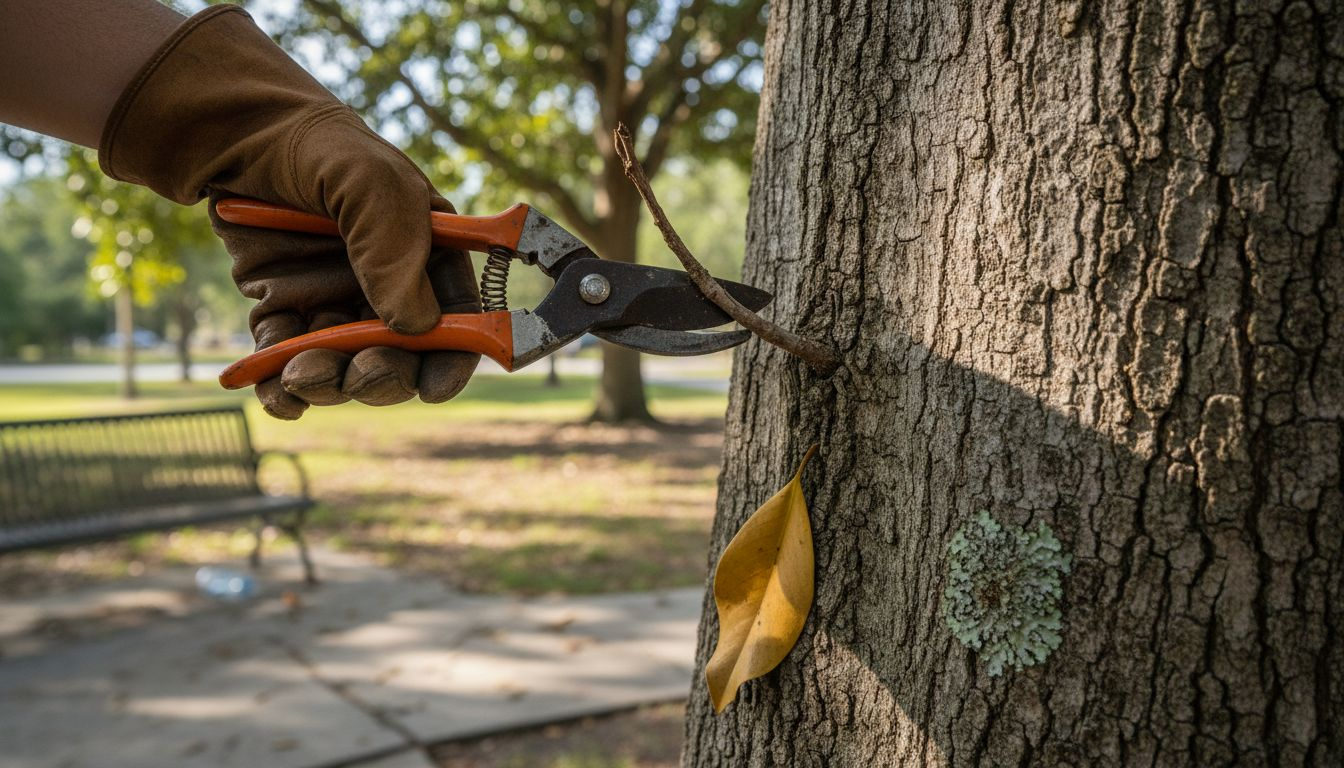
Fertilization timing directly affects nutrient uptake efficiency. Applying fertilizer when roots actively absorb nutrients in early spring ensures trees access the resources they need for robust growth. Off-season fertilization wastes money as nutrients leach away before trees can use them, and excess nitrogen during dormancy can trigger inappropriate growth vulnerable to cold damage.
Mistimed care increases vulnerability to multiple threats. Pruning cuts made during humid summer months create entry points for fungal pathogens that thrive in heat and moisture. Late-season fertilization stimulates tender new growth that hurricanes and tropical storms can easily damage. Following tree care best practices means matching interventions to physiological readiness.
Optimal care timing supports structural integrity by:
- Allowing wound compartmentalization before pest season begins
- Maximizing nutrient absorption when root systems are most active
- Preventing stress-induced susceptibility to diseases and insects
- Supporting rapid recovery through aligned biological processes
Understanding the tree care process in Orlando reveals how professionals time interventions to work with tree biology rather than against it. Certified arborists assess individual tree species, health status, and environmental conditions to determine precise care windows that minimize stress and maximize benefits.
Pro Tip: Watch for mushroom growth at tree bases after summer rains. This signals root or trunk decay often caused by pruning wounds made during humid periods when fungal spores are most active.
Seasonal pest and disease management in Central Florida
Pest outbreaks correlate directly with seasonal humidity and temperature changes in our subtropical climate. Scale insects peak in late spring and summer when warmth accelerates reproduction, while borers target stressed trees during drought periods. Scheduled treatments in spring and fall halve pest damage risk by interrupting life cycles before populations explode.
Diseases thrive when environmental conditions and tree vulnerability align. Anthracnose spreads rapidly during spring’s warm, wet weather when new leaves provide susceptible tissue. Root rot intensifies in summer when saturated soils and heat stress weaken defensive mechanisms. Timing treatments to prevent rather than react to infestations protects tree health more effectively and costs less than emergency interventions.
Common Central Florida pest and disease threats by season:
- Spring: Scale insects, aphids, anthracnose, leaf spot diseases
- Summer: Spider mites, borers, root rot, heat stress disorders
- Fall: Whiteflies, sooty mold, preparing for reduced pest pressure
- Winter: Minimal pest activity, ideal for preventive treatments
Effective seasonal pest management follows this sequence:
- Inspect trees in late winter for overwintering pests and disease signs
- Apply preventive treatments in early spring before pest populations emerge
- Monitor throughout summer for stress indicators and emerging infestations
- Implement fall treatments to reduce pest populations before mild winter
- Document findings to refine timing and treatment selection annually
Pro Tip: Look for sticky honeydew residue on leaves and branches. This signals scale or aphid activity requiring immediate attention, and applying essential tree care tips prevents minor problems from becoming major infestations.
Impact of seasonal tree care on structural integrity and aesthetics
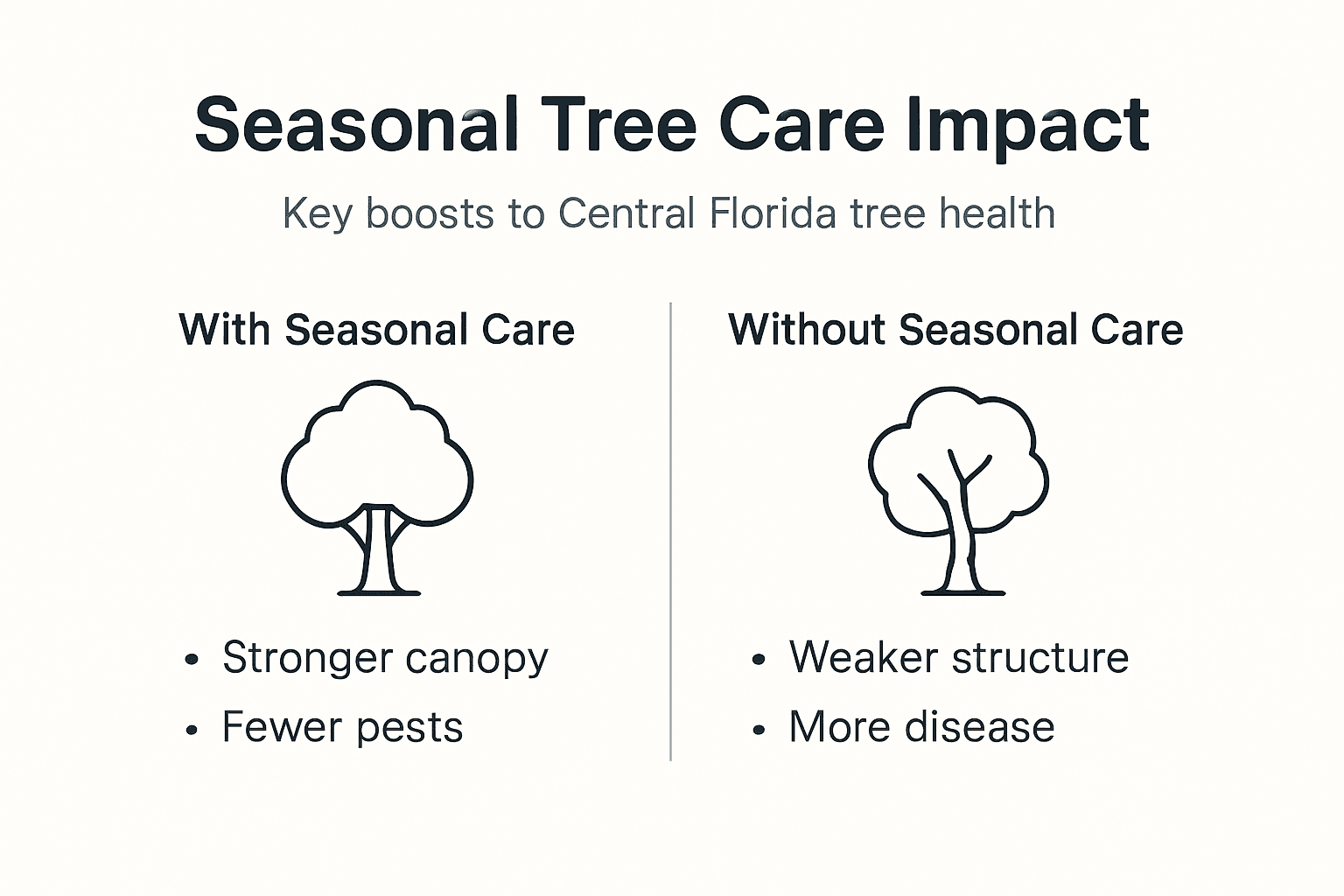
Seasonal pruning enhances canopy density and shape by removing dead or crossing branches during dormancy when you can clearly see tree structure. This strategic timing supports healthy growth patterns while minimizing stress that weakens structural integrity. Proper seasonal care reduces risk of limb failure during hurricanes by eliminating weak attachments before storm season arrives.
Improved aesthetics from seasonal care increase property curb appeal and value significantly. Well-timed pruning creates balanced, attractive canopies that enhance landscape appeal without the ragged appearance of random cutting. Late summer structural pruning prepares trees for storm season by reducing wind resistance and eliminating hazardous branches that could damage property or injure people.
| Aspect | Seasonal Care Impact | Neglected Care Result |
|---|---|---|
| Storm resilience | Reduced wind resistance and hazard risk | Increased limb failure and property damage |
| Aesthetic appeal | Balanced, healthy canopies year-round | Uneven growth and visual decline |
| Structural strength | Strategic branch removal supports stability | Weak attachments and poor form development |
| Property value | Enhanced curb appeal and landscape quality | Declining aesthetics reduce marketability |
Commercial properties benefit particularly from seasonal aesthetic maintenance as professional appearance directly influences customer perception and business reputation. Residential landscapes gain increased enjoyment and pride of ownership when trees receive care timed to maximize visual appeal and safety.
Pro Tip: Schedule structural pruning in August or early September, giving trees time to seal wounds before hurricane season peaks while avoiding the infection risks of summer pruning.
Common misconceptions about seasonal tree care
The belief that pruning anytime is beneficial leads to unnecessary tree stress and infection. Pruning during active growth raises infection risks by 15-25% as open wounds coincide with peak pathogen activity. Dormant season pruning avoids this vulnerability by allowing wound closure before diseases become active.
More frequent pruning does not improve tree health. Excessive cutting stresses trees by removing photosynthetic tissue and forcing repeated wound responses that drain energy reserves. Most trees thrive with annual or biennial pruning timed to their growth cycles, not arbitrary schedules.
Seasonal fertilization proves critical because nutrient uptake varies dramatically throughout the year. Off-season application wastes money as rain washes nutrients away before roots can absorb them. Spring and fall applications coincide with active root growth when trees efficiently use added nutrients.
Key misconceptions that harm trees:
- Pruning whenever convenient works fine (ignores infection risk timing)
- More pruning means healthier trees (causes cumulative stress)
- Fertilizer application timing does not matter (wastes resources)
- Storm preparation can wait until forecasts appear (inadequate time for proper work)
- All trees need identical seasonal care (ignores species-specific requirements)
Ignoring seasonal schedules increases disease susceptibility and maintenance costs over time. Trees weakened by mistimed care become pest magnets requiring expensive treatments. Emergency removals of declining trees cost far more than preventive seasonal maintenance. Educating yourself about timing helps you make informed decisions that protect your landscape investment.
Planning and implementing effective seasonal tree care
Assess tree species and health status to tailor care timing appropriately. Live oaks tolerate pruning year-round but benefit most from winter cuts, while palms need warm-season care to prevent cold damage to fresh wounds. Understanding individual tree requirements ensures interventions succeed rather than harm.
Schedule pruning in late winter to early spring dormancy for most Central Florida trees. This window allows wound closure before pest and disease pressure increases in late spring and summer. Structural work addressing storm hazards should occur in late summer, giving trees time to seal cuts before hurricane season peaks.
Apply fertilization in early spring and fall targeting nutrient uptake periods. Spring applications support active growth as trees emerge from dormancy. Fall fertilization helps trees build reserves before winter while avoiding late-season growth vulnerable to storm damage.
Implement pest management in spring and fall aligned with pest life cycles. Early spring treatments interrupt pest emergence before populations explode. Fall applications reduce overwintering pest numbers that would otherwise surge the following season.
Seasonal care implementation steps:
- Conduct winter tree assessments identifying pruning needs and health concerns
- Complete structural pruning during late winter dormancy for most species
- Apply spring fertilization when new growth appears on branches
- Monitor pest activity and implement treatments before populations peak
- Perform late summer storm preparation pruning by early September
- Apply fall fertilization and pest control treatments in October or November
Consult Central Florida tree planting guides and tree care best practices for species-specific timing recommendations. Professional arborists assess your unique property conditions and tree portfolio to create customized seasonal care plans. Following essential tree care tips for 2026 ensures you implement proven strategies that protect tree health and property value.
Pro Tip: Delaying seasonal tree care leads to 15%-30% increase in long-term tree health decline and costly removal needs, making timely action a financial benefit, not just an aesthetic preference.
Differences between residential and commercial seasonal tree care needs
Commercial properties require more frequent, targeted seasonal tree care due to higher liability and aesthetics standards. Businesses face greater risk from falling branches or storm damage affecting customers and operations. Professional appearance directly influences customer perception, making aesthetic maintenance a business necessity rather than optional enhancement.
Residential care focuses on balancing aesthetics with tree health and longevity. Homeowners typically prioritize cost-effective maintenance that preserves property value and personal enjoyment over intensive management. Seasonal care intervals can be longer when trees are healthy and hazard risks are minimal.
Storm preparedness proves crucial for commercial sites where potential damage costs include property repair, liability claims, and business interruption. Commercial tree care in Orlando emphasizes proactive hazard reduction through regular structural assessments and preventive pruning. Residential storm preparation focuses on protecting homes and family safety.
| Factor | Residential Approach | Commercial Approach |
|---|---|---|
| Care frequency | Annual to biennial seasonal maintenance | Multiple seasonal interventions yearly |
| Primary focus | Aesthetics and long-term tree health | Liability reduction and professional appearance |
| Storm preparation | Protecting home and family safety | Minimizing business interruption and liability |
| Budget considerations | Cost-effective preservation strategies | Risk management investment justification |
Professional arborist involvement differs by property scale and use. Commercial properties often maintain ongoing service contracts ensuring timely seasonal care and rapid emergency response. Residential properties typically schedule seasonal visits as needed based on tree condition and owner priorities.
Tailored seasonal plans optimize outcomes and budgets regardless of property type. Understanding your specific needs, risk tolerance, and aesthetic goals helps professionals recommend appropriate care frequency and timing. Both residential and commercial properties benefit from seasonal care, but implementation details vary significantly based on use and requirements.
Seasonal tree care solutions from McCullough Tree Service
Protecting your Central Florida trees requires expertise in timing care to match our unique subtropical climate. Our certified arborists understand how seasonal cycles affect tree health and schedule professional tree trimming services during optimal windows that minimize stress and maximize benefits.
We provide tailored seasonal care for both residential and commercial properties, addressing your specific needs whether you prioritize aesthetics, safety, or long-term tree health. Our tree care guide on trimming vs pruning explains how different techniques applied at proper times achieve different goals for your landscape.
Storm season preparation represents a critical seasonal service protecting your property from hurricane damage. Our certified arborists in Central Florida assess structural integrity and remove hazardous branches before peak storm season arrives. Schedule a consultation to develop a comprehensive seasonal care plan that keeps your trees healthy, safe, and beautiful throughout the year.
FAQ
Why is timing important for tree pruning in Central Florida?
Pruning during dormancy reduces sap loss and infection risk by up to 40%, supporting faster recovery in Florida’s subtropical climate. Avoiding active growth periods minimizes disease susceptibility when pathogens are most active and trees are most vulnerable.
How do pest management strategies vary by season?
Spring and fall represent prime seasons for pest interventions because treatments interrupt life cycles before populations explode. Timed applications aligned with pest biology reduce infestation risks by half compared to reactive treatments after damage appears.
What are the main differences in seasonal care for residential versus commercial properties?
Commercial sites require more frequent seasonal care focused on liability reduction and professional appearance standards. Residential care balances aesthetics with tree health using less intensive maintenance schedules, typically annual or biennial interventions depending on tree condition and owner priorities.
Can delaying seasonal tree care increase costs?
Delaying seasonal tree care leads to a 15%-30% increase in long-term tree health decline and costly removal needs. Proper seasonal maintenance prevents expensive problems by addressing issues before they escalate into emergencies requiring immediate, premium-priced interventions.
Recommended
- 4 Reasons To Regularly Trim Your Trees – McCullough Tree Service
- Regular Tree Maintenance Cuts Branch Failures 50% in FL
- 7 Essential Tree Care Tips 2025 for Orlando Homeowners
- Tree Care Best Practices 2025—Health and Storm Safety
- Mccullough Tree Service in Orlando and Central Florida