By: Shelby McCullough| Published: February 4, 2026
Overgrown branches and tangled limbs can make even the most beautiful Central Florida yard feel neglected. For homeowners aiming to increase property value and curb appeal, professional tree trimming is more than just a quick fix. It is a careful practice that supports healthy growth, maintains safety, and highlights the unique beauty of your landscape. Certified arborists bring the expertise that ensures every trim adds value, helping your property stand out while protecting your investment for years to come.
Table of Contents
- Defining Tree Trimming And Its Value
- Types Of Tree Trimming Services In Florida
- Aesthetic, Health, And Safety Benefits Explained
- Legal Requirements And Homeowner Rights
- Cost Factors And Return On Investment
- Mistakes That Lower Property Value
Key Takeaways
| Point | Details |
|---|---|
| Tree Trimming Importance | Tree trimming supports tree health, enhances property aesthetics, and boosts community ecological structure in Florida. |
| Professional Expertise | Engaging certified arborists ensures proper tree care, which is crucial for sustaining landscape value and safety. |
| Legal Considerations | Homeowners must understand local tree trimming regulations to balance property rights and community environmental standards. |
| Common Mistakes | Avoiding mistakes like topping or over-pruning is key to maintaining property value and preventing long-term tree damage. |
Defining Tree Trimming and Its Value
Tree trimming is a strategic landscaping practice that goes far beyond simple branch removal. It represents a systematic approach to maintaining tree health, enhancing property aesthetics, and preserving the vital ecological infrastructure of residential landscapes in Florida. Proper pruning techniques involve carefully selecting and removing specific branches to promote optimal tree growth and structural integrity.
In the context of Florida property ownership, tree trimming serves multiple critical functions:
- Maintaining tree health by removing dead, diseased, or potentially dangerous branches
- Improving tree structure and preventing potential safety hazards
- Enhancing landscape visual appeal and property curb appeal
- Supporting overall urban tree canopy sustainability
The process requires professional understanding of tree biology, growth patterns, and local environmental conditions. Certified arborists understand that each cut can fundamentally alter a tree’s future growth, making precision and expertise paramount. Florida’s unique climate demands specialized knowledge, as tropical and subtropical tree species have distinct trimming requirements compared to trees in other regions.
Professional tree trimming directly impacts property value by creating a well-maintained, visually appealing landscape that signals responsible homeownership. Urban tree regulations underscore the importance of maintaining healthy trees, recognizing them as valuable community assets that contribute to environmental quality and aesthetic appeal.
Pro tip: Schedule professional tree assessments annually to catch potential health issues early and maintain your landscape’s long-term value and appearance.
Types of Tree Trimming Services in Florida
Florida’s unique ecosystem demands specialized tree trimming services tailored to the state’s diverse landscape and environmental conditions. Pruning techniques vary widely depending on tree species, location, and specific property requirements, making professional assessment crucial for effective tree maintenance.
The primary types of tree trimming services in Florida include:
- Routine Pruning: Maintenance trimming to promote healthy tree growth and aesthetic appeal
- Hazard Reduction: Removing dead, diseased, or potentially dangerous branches
- Crown Thinning: Selectively removing interior branches to improve light penetration and air circulation
- Vista Pruning: Strategic trimming to enhance property views without compromising tree health
- Specialty Trimming: Unique services for specific tree types like palms and mangroves
Each trimming approach requires specialized knowledge of Florida’s unique tree species and environmental conditions. Certified arborists understand the intricate balance between maintaining tree health and meeting property owners’ aesthetic and safety requirements. For instance, mangrove trimming involves strict ecological guidelines to protect these critical coastal ecosystems while allowing controlled maintenance.
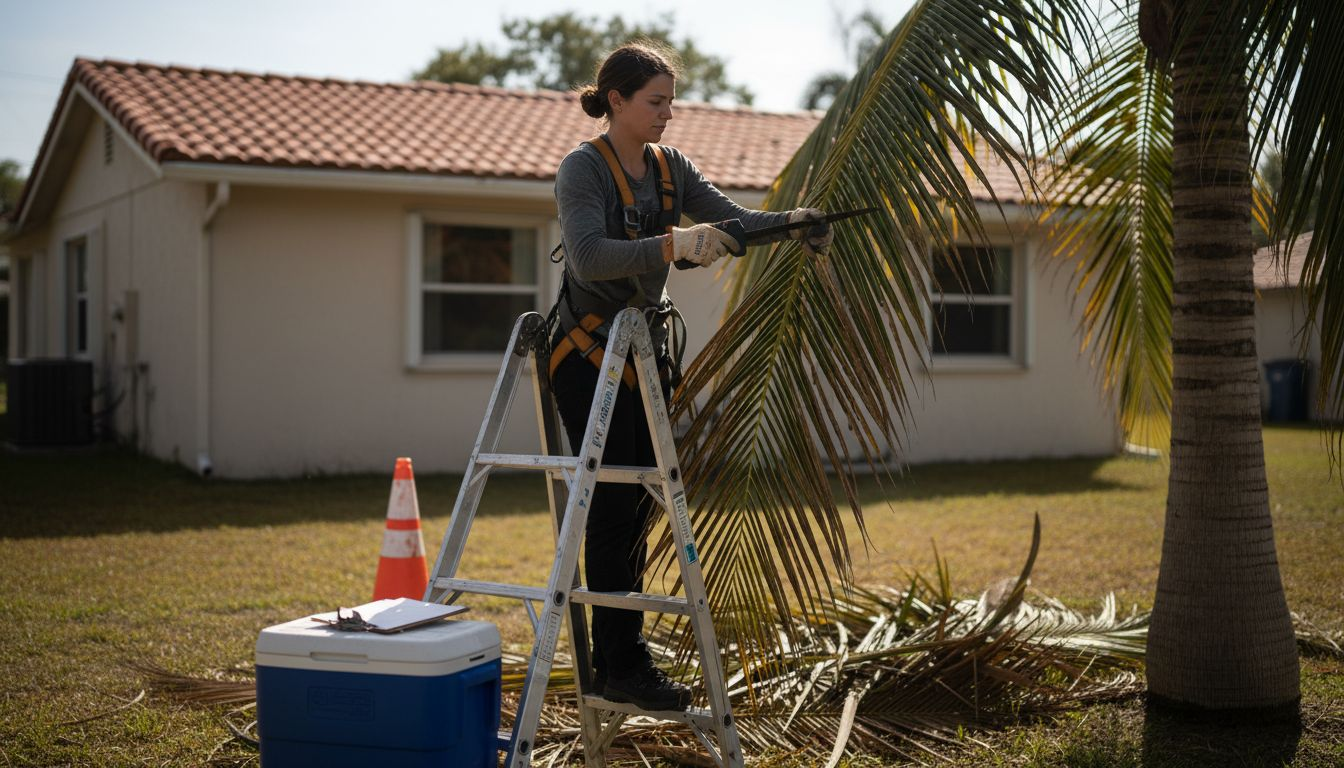
Professional tree trimming services go beyond simple branch removal. They represent a comprehensive approach to landscape management that considers tree biology, local regulations, and property-specific needs. Understanding these nuanced service types helps Florida homeowners make informed decisions about their landscape maintenance and property value enhancement.
Pro tip: Consult a certified arborist to develop a customized tree trimming plan that addresses your specific landscape needs and local environmental conditions.
To better understand tree trimming services, here is a comparison of the main types and their primary purposes:
| Service Type | Main Purpose | Typical Tree Examples |
|---|---|---|
| Routine Pruning | Maintain healthy growth, neat appearance | Oaks, maples, palms |
| Hazard Reduction | Remove branches that cause safety risks | Pine, laurel oak, ficus |
| Crown Thinning | Improve air and light, reduce wind load | Mahogany, gumbo limbo |
| Vista Pruning | Enhance property views | Crape myrtle, live oak |
| Specialty Trimming | Address species-specific requirements | Mangroves, coconut palm |
Aesthetic, Health, and Safety Benefits Explained
Tree trimming is far more than a cosmetic landscaping practice – it’s a critical investment in property maintenance and risk management. Proper tree pruning techniques simultaneously address aesthetic appeal, tree health, and property safety, creating a holistic approach to landscape management.
The key benefits of professional tree trimming include:
- Aesthetic Enhancement: Creating visually balanced and attractive tree structures
- Health Preservation: Removing diseased or damaged branches to prevent decay spread
- Safety Improvement: Eliminating potential hazards that could cause property damage
- Storm Resistance: Reducing wind resistance and potential branch failure risks
- Landscape Value: Maintaining trees that contribute positively to property appearance
In Florida’s unique environment, tree health is particularly complex. Certified arborists understand how strategic pruning can prevent structural defects and mitigate potential risks. Tree pruning supports critical growth patterns that protect against hurricane damage while maintaining the tree’s natural form and vitality.
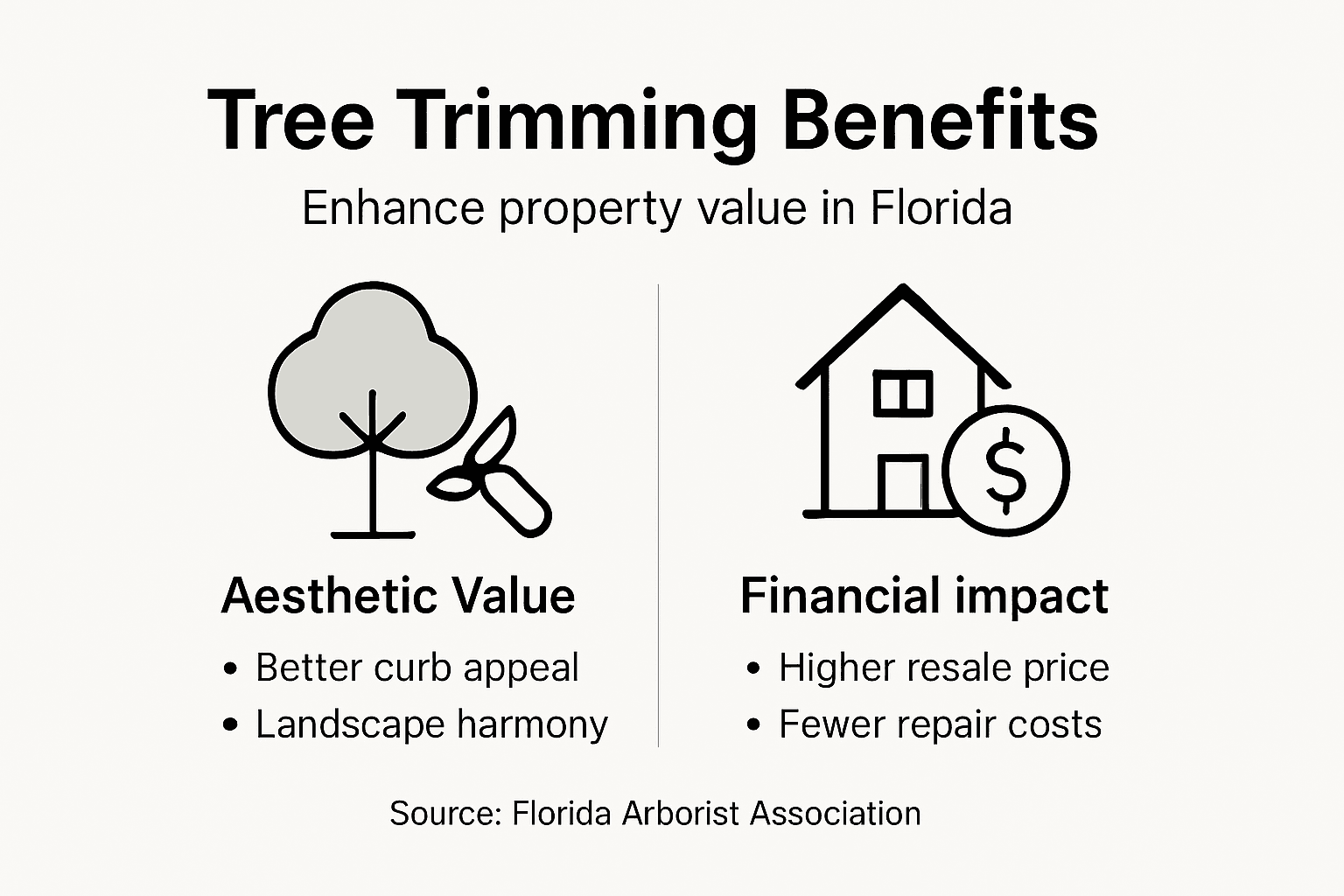
Beyond immediate benefits, professional tree trimming represents a long-term investment in property value. By maintaining trees in optimal condition, homeowners can prevent costly future repairs, reduce liability risks, and create a landscape that stands out in the competitive Florida real estate market.
Pro tip: Schedule annual professional tree assessments to catch potential health issues early and maintain your landscape’s structural integrity and aesthetic appeal.
Legal Requirements and Homeowner Rights
Navigating tree trimming regulations in Florida requires a nuanced understanding of property rights and local ordinances. Tree trimming laws protect both property owners’ interests and the broader urban ecosystem, creating a delicate balance between individual property management and community environmental preservation.
Key legal considerations for Florida homeowners include:
- Property Boundary Rights: Ability to trim branches overhanging your property line
- Permit Requirements: Obtaining necessary municipal approvals for significant tree removals
- Health and Safety Exceptions: Special provisions for removing dangerous or diseased trees
- Mitigation Responsibilities: Potential requirements for replacing removed trees
- Neighbor Notification: Protocols for discussing tree maintenance with adjacent property owners
Florida statutes, such as FS 163.045, provide specific guidelines that empower homeowners while protecting tree resources. Legal boundaries are complex, with most counties maintaining detailed tree protection ordinances that specify exact requirements for trimming, removal, and preservation of the urban tree canopy.
Understanding these regulations is crucial for responsible property management. Homeowners must balance their individual property rights with community environmental standards, recognizing that tree maintenance is not just a personal choice but a broader ecological responsibility.
Pro tip: Always consult local municipal offices and obtain proper permits before undertaking significant tree trimming or removal projects to avoid potential legal complications.
Cost Factors and Return on Investment
Tree trimming represents a strategic financial investment for Florida homeowners, with costs and benefits extending far beyond immediate aesthetic improvements. Pruning expenses vary significantly based on multiple complex factors that directly impact long-term property value and landscape health.
Key cost factors influencing tree trimming expenses include:
- Tree Size: Larger trees require more labor and specialized equipment
- Species Complexity: Some tree types demand more intricate pruning techniques
- Accessibility: Challenging locations increase overall service costs
- Health Condition: Diseased or damaged trees need more extensive interventions
- Frequency of Maintenance: Regular trimming can reduce individual service expenses
Professional tree maintenance goes beyond simple cost calculation. Economic strategies recognize that investing in proper tree care contributes to broader landscape value. Land management investments demonstrate that well-maintained trees can significantly enhance property marketability and long-term ecological sustainability.
Homeowners should view tree trimming as a proactive financial strategy. By preventing potential damage, reducing future maintenance costs, and improving property aesthetics, professional tree care represents a smart investment that can yield substantial returns in both immediate property value and long-term landscape health.
Pro tip: Request multiple quotes from certified arborists and compare their comprehensive service packages to maximize your tree maintenance investment.
Mistakes That Lower Property Value
Improper tree maintenance can dramatically undermine a property’s aesthetic and financial value, turning what should be a landscape asset into a significant liability. Pruning errors represent some of the most common and costly mistakes homeowners make when managing their trees.
Critical tree trimming mistakes that can negatively impact property value include:
- Topping: Removing large branches or entire tree tops, which weakens tree structure
- Over-pruning: Removing more than 25% of a tree’s living branches in a single season
- Improper Cut Techniques: Making cuts that damage bark or prevent proper healing
- Seasonal Mismanagement: Pruning at inappropriate times that stress the tree
- Neglecting Professional Assessment: Attempting major trimming without expert guidance
Structural integrity is key to maintaining tree and property value. Pruning practices that compromise a tree’s natural growth pattern can lead to long-term damage, increased susceptibility to diseases, and potential safety hazards that directly reduce property appeal.
The financial implications of poor tree maintenance extend beyond immediate aesthetics. Damaged trees can become costly liabilities, requiring extensive remediation or complete removal, which not only creates unexpected expenses but can significantly diminish a property’s marketability and overall landscape value.
Pro tip: Always hire certified arborists for complex tree trimming to avoid costly mistakes that could permanently damage your trees and reduce property value.
Below is a summary of common tree trimming mistakes and their possible consequences for Florida homeowners:
| Mistake | Typical Result | Long-Term Impact |
|---|---|---|
| Topping | Weakens tree structure | Increases failure risk |
| Over-pruning | Stresses tree growth | Reduces lifespan |
| Improper Cuts | Leaves open wounds | Promotes diseases |
| Poor Timing | Disrupts growth cycle | Makes trees vulnerable |
| Skipping Professionals | Misses underlying problems | Lowers property value |
Protect Your Home Value with Expert Tree Trimming from McCullough Tree Service
Maintaining your Florida property means more than just regular upkeep. The article highlights how improper tree trimming can reduce your homes safety and aesthetic appeal while risking costly damage and depreciated value. You need professional care that respects tree health, follows legal guidelines, and enhances your landscapes beauty and safety. McCullough Tree Service employs certified arborists with a deep understanding of Floridas unique tree species and pruning needs. By choosing our trusted team, you avoid common pitfalls like topping or over-pruning and work with experts who improve storm resistance and increase your propertys marketability.
Take action now to safeguard your investment with a customized tree trimming plan tailored to your landscape and property goals. Visit McCullough Tree Service to schedule your professional tree health assessment and learn about our full suite of services including tree trimming and emergency storm cleanup. Dont wait until damage or legal issues arise. A well-maintained tree canopy adds value, safety, and beauty to your Florida home today.
Frequently Asked Questions
What is the value of tree trimming for property owners?
Tree trimming enhances property aesthetics, maintains tree health, and increases property value by creating a visually appealing landscape that reflects responsible homeownership.
How does improper tree trimming affect property value?
Improper tree trimming can weaken tree structure, create safety hazards, and increase maintenance costs, ultimately leading to a decrease in property value and marketability.
What are the main types of tree trimming services available?
The main types of tree trimming services include routine pruning, hazard reduction, crown thinning, vista pruning, and specialty trimming for specific tree types, each serving different purposes in landscape maintenance.
Why is it important to hire a certified arborist for tree trimming?
Hiring a certified arborist ensures that tree trimming is performed using proper techniques and knowledge of tree biology, which helps maintain tree health, improve safety, and protect property value.
Recommended
- What to Expect: Tree Trimming Costs in Florida
- What Is Tree Trimming? Key Facts for Florida Homeowners
- Tree Trimming in Florida: DIY Tips & Tricks
- Why Trim Trees for Safety in Central Florida
- Does Homeowners Insurance Cover Roof Replacement Costs? – Sunflowers Energy LLC A Roofing and Solar Companys
- Tree Service Orlando FL
- Tree Service Winter Springs FL