By: | Published: June 19, 2026
TL;DR:
- Tree canopy management involves structured pruning, soil care, and pest monitoring to maintain tree health and environmental benefits.
- Proper long-term planning by certified arborists reduces costs, supports biodiversity, and lowers stormwater runoff.
Tree canopy management is the systematic practice of pruning, maintaining, and monitoring the upper layer of a tree’s foliage to protect its health, structure, and environmental function. The industry term used by certified arborists and urban foresters is canopy care, though the practice spans everything from structural pruning to soil management. The EPA and the International Society of Arboriculture (ISA) both recognize canopy management as a core component of urban forestry. Done right, it reduces energy costs, controls stormwater runoff, supports biodiversity, and raises property values. Ignored, it leads to structural failures, pest vulnerability, and costly removals.
What is tree canopy management, and what does it involve?
Tree canopy management is not just trimming branches when they get too long. It is a multi-year developmental strategy, coordinated by certified arborists, that shapes how a tree grows, how it interacts with its environment, and how long it lives. The canopy refers to the uppermost layer of foliage, including all branches, leaves, and stems that form the tree’s crown. Managing it means making deliberate decisions about which growth to keep, which to remove, and when.
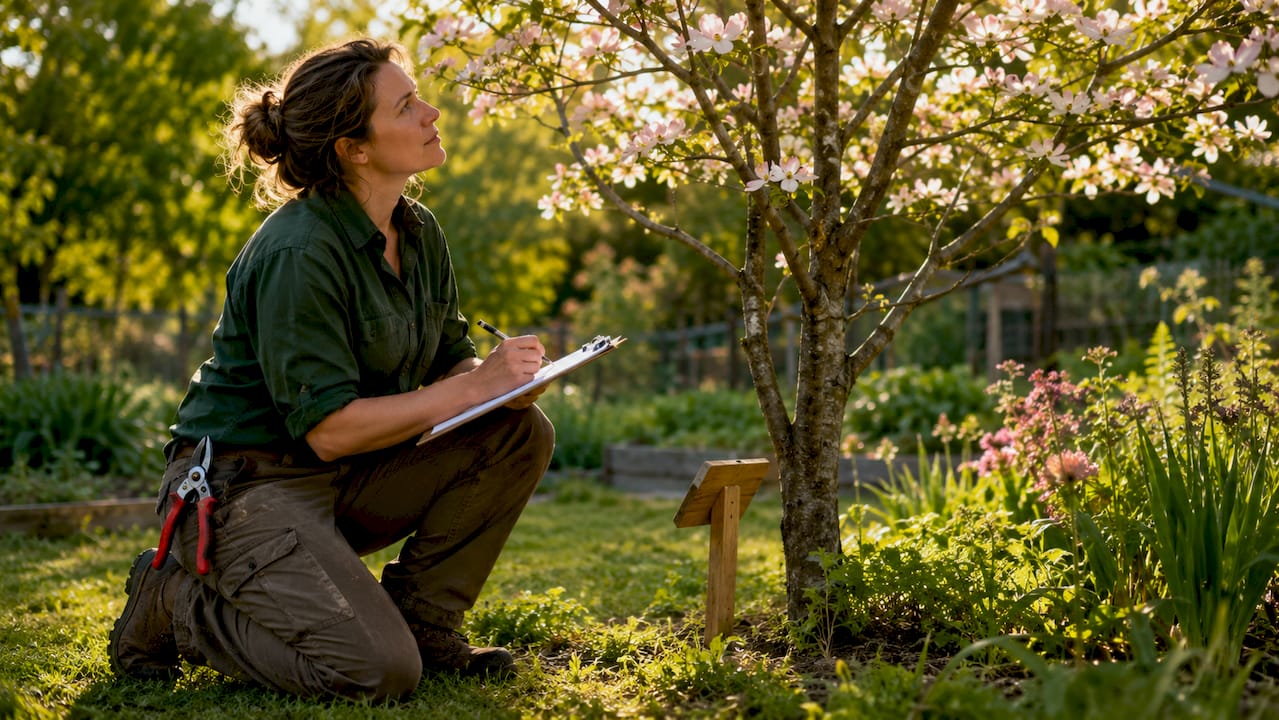
The practice covers residential yards, commercial properties, city streets, and parks. For homeowners, it means keeping trees safe and attractive. For urban planners, it means meeting climate goals and managing public infrastructure. The stakes are real in all three settings.
Core pruning methods used in canopy care
Structural pruning shapes a young tree’s architecture early so it develops strong branch attachments and a stable form. Crown thinning removes select interior branches to improve light penetration and airflow without changing the tree’s overall shape. Crown elevation removes lower limbs to create clearance for pedestrians, vehicles, or structures. Maintenance trimming addresses dead, diseased, or crossing branches on an ongoing basis.
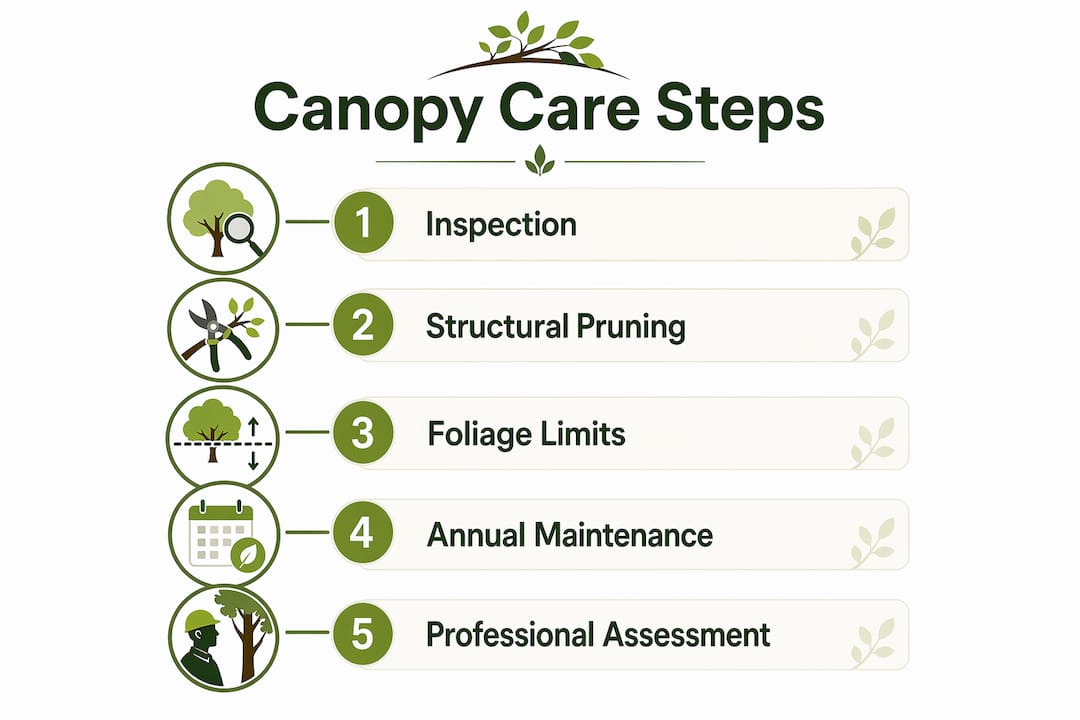
The PPQ prescriptive pruning model sets clear limits on how much foliage to remove at one time. For mature trees, the limit is 10–15% of live foliage annually. Young trees can tolerate up to 25%. Removing more than that weakens the tree’s ability to photosynthesize and recover, making it vulnerable to pests and disease.
Pro Tip: Schedule structural pruning for young trees in their first five years. Correcting form early costs far less than removing a structurally compromised mature tree later.
Best pruning practices by tree age:
- Young trees (1–5 years): Focus on structural pruning to establish a dominant leader and remove competing branches. Up to 25% foliage removal is acceptable.
- Maturing trees (6–20 years): Shift to crown thinning and elevation. Keep annual removal under 15%.
- Mature trees (20+ years): Prioritize maintenance trimming and dead wood removal. Limit foliage removal to 10% per year.
- All ages: Never top a tree. Topping destroys structure, invites decay, and creates long-term hazards.
Annual inspections by a qualified arborist catch problems before they escalate. The best time to prune most species in Central Florida is late winter or early spring, before new growth begins.
What are the environmental and property benefits of effective canopy management?
The benefits of tree canopy go well beyond shade. Urban tree cover mitigates 41%–49% of the urban heat island effect, reducing temperatures by an average of 0.15°C globally. In some cities, the cooling effect reaches 2.7°C. That is a meaningful reduction in heat-related illness risk and cooling energy demand.
According to 2026 EPA guidance, trees reduce nearby buildings’ energy demand by 10% and lower stormwater runoff by 15%–27%. That runoff reduction matters for property managers dealing with drainage compliance and for cities managing aging stormwater infrastructure. Fewer runoff events also mean less pollutant load reaching local waterways.
Canopy cover near 40% significantly lowers surface temperatures, with the specific effect depending on tree species and leaf traits. Broad-leaved species with dense canopies outperform conifers in urban heat reduction. Choosing the right species for your site is not an aesthetic decision alone. It is a performance decision.
| Benefit | Measured Impact |
|---|---|
| Urban heat island reduction | 41%–49% mitigation; up to 2.7°C cooling |
| Building energy demand | 10% reduction near well-placed trees |
| Stormwater runoff | 15%–27% reduction per EPA data |
| Surface temperature | Significant drop at 40% canopy cover density |
| Community health | Reduced heat illness, noise, and air pollution |
Urban forests also improve quality of life by reducing pollution, lowering heat illness rates, and creating spaces for social interaction. Properties with well-maintained canopies consistently command higher sale prices and lower vacancy rates in commercial settings. The benefits of regular tree trimming extend directly to curb appeal and energy savings that buyers and tenants notice immediately.
One important caveat: urban tree canopy enhancement offsets only about 10%–19% of projected future warming. Trees are a powerful tool, but they work best as part of a broader climate adaptation plan that includes reflective surfaces, green roofs, and reduced emissions.
How do funding gaps and species selection affect canopy management success?
Chronic underfunding is the single biggest threat to urban tree canopy programs. The City of North Kansas City sets a useful benchmark: a minimum $2 per capita yearly investment is required for a sustainable canopy program. North Kansas City itself reached $73.47 per capita in 2024, reflecting a serious commitment to urban forestry. Most municipalities spend far less, which leads to deferred maintenance, storm damage, and eventual tree loss.
Deferred maintenance compounds quickly. A tree that misses two or three pruning cycles develops structural problems that require far more expensive intervention. Strong weather events, including the hurricanes and tropical storms common in Central Florida, accelerate that damage when canopies are overgrown or structurally weak.
Species selection shapes long-term outcomes more than most property owners realize. Here are four practical steps to overcome the most common canopy management challenges:
- Choose species suited to your site. Match tree size, root behavior, and canopy density to available space. A live oak planted under power lines creates a maintenance problem from day one.
- Budget for multi-year care. A single pruning visit is not a plan. Build a three to five year maintenance schedule with your arborist and fund it consistently.
- Act before storms, not after. Pre-storm trimming reduces wind resistance and limb failure risk. Post-storm cleanup costs far more than prevention.
- Monitor for invasive species and pests. Successful canopy management includes tracking invasive species and root health, not just pruning schedules.
How can homeowners and property managers implement canopy care?
The most effective starting point is a professional tree health assessment. A certified arborist evaluates each tree’s structure, root zone, soil conditions, and pest pressure before recommending any work. That assessment prevents the common mistake of pruning the wrong branches or removing trees that could have been saved.
The PPQ model separates the roles of Prescribers and Producers. Prescribers are arborists who design the care plan. Producers are the crews who execute it. This division keeps decisions in the hands of qualified professionals and prevents crews from making judgment calls that require arborist training. For homeowners hiring tree services, this means asking specifically whether a certified arborist will assess the work before crews begin.
Practical steps for homeowners and property managers:
- Schedule annual inspections. One visit per year catches structural problems, disease, and pest activity before they become emergencies.
- Mulch correctly. A 2–4 inch mulch layer around the base of each tree retains moisture and supports root health. Keep mulch away from the trunk to prevent rot.
- Prune at the right time. In Central Florida, late winter pruning reduces stress and disease exposure. Avoid pruning during peak storm season when wounds heal slowly.
- Monitor soil health. Compacted or nutrient-depleted soil limits canopy growth even when pruning is done correctly. Aeration and organic amendments make a measurable difference.
- Engage with local programs. Tree City USA, administered by the Arbor Day Foundation, provides frameworks and resources for communities building formal canopy management programs.
Pro Tip: Use the Central Florida tree maintenance checklist to track pruning dates, mulch applications, and inspection results for each tree on your property. Consistent records help arborists make better decisions over time.
Structural pruning is critical, not just cosmetic trimming. It stabilizes tree form and reduces the risk of limb failures during storms. For property managers overseeing multiple trees or large commercial sites, a written canopy management plan reviewed annually by an arborist is the standard that separates reactive maintenance from genuine stewardship.
Why most property owners underestimate canopy management
Most homeowners think about their trees twice a year: when something falls, and when they want the yard to look good before selling. That reactive approach costs more and delivers less than a consistent, planned program. I have seen properties where a single well-timed structural pruning session on a young oak prevented what would have been a $4,000 removal ten years later.
The detail most people miss is the foliage removal limit. Removing more than 25% of a tree’s live foliage in a single season does not just slow growth. It suppresses the tree’s immune response and opens the door to secondary pest infestations. Many crews will take more than that if a client asks for it, because the client cannot tell the difference. A certified arborist will not.
Soil health is the other overlooked factor. You can prune perfectly and still watch a tree decline if the root zone is compacted, waterlogged, or stripped of organic matter. The canopy is the visible part of the system, but the roots drive everything. Mulching, aeration, and avoiding soil compaction near the root zone are not optional extras. They are the foundation that makes every pruning decision matter.
The evolving role of canopy management in urban planning is also worth watching. Cities like Orlando are increasingly tying tree canopy targets to climate resilience goals and development permits. Property managers who build strong canopy programs now will be ahead of compliance requirements that are likely to tighten over the next decade.
— Mcculloughtreeservice
Professional canopy care from Mcculloughtreeservice
Mcculloughtreeservice brings ISA-certified arborist expertise to residential and commercial properties across Orlando and Central Florida. Whether you need a full canopy assessment, structural pruning on young trees, or pre-storm trimming to protect your property, the team delivers work grounded in current arboricultural standards.
Every project starts with an expert evaluation, not a crew showing up with chainsaws. Mcculloughtreeservice’s professional tree trimming services follow the prescriptive model: an arborist designs the plan, and trained crews execute it. That separation protects your trees and your investment. Contact Mcculloughtreeservice today to schedule a tree health assessment and build a canopy management plan that works for your property.
FAQ
What does tree canopy management mean?
Tree canopy management is the planned care of a tree’s upper foliage layer, including pruning, inspection, soil care, and pest monitoring, to maintain health, structure, and environmental function.
How often should tree canopy pruning be done?
Most trees benefit from annual inspection and pruning every one to three years, depending on species, age, and site conditions. Young trees need more frequent structural pruning in their first five years.
How much foliage can be safely removed during pruning?
The PPQ prescriptive pruning model limits annual live foliage removal to 10–15% for mature trees and up to 25% for young trees. Removing more weakens the tree and increases pest vulnerability.
What are the main benefits of tree canopy for property owners?
Well-managed tree canopies reduce building energy demand by 10%, lower stormwater runoff by 15%–27%, and raise property values through improved aesthetics and shade, according to EPA data.
Do homeowners need a certified arborist for canopy management?
A certified arborist is the standard for any work beyond basic cleanup. Arborists assess tree structure, design care plans, and prevent the costly mistakes that untrained crews commonly make.
Key takeaways
Effective tree canopy management requires a planned, multi-year approach guided by certified arborists, not reactive trimming when problems become visible.
| Point | Details |
|---|---|
| Define the scope first | Canopy management covers pruning, soil care, pest monitoring, and species selection, not just trimming. |
| Follow foliage removal limits | Keep annual live foliage removal at 10–15% for mature trees to protect health and structure. |
| Quantify the environmental return | Managed canopies cut building energy use by 10% and reduce stormwater runoff by up to 27%. |
| Fund it consistently | A minimum $2 per capita annual investment is the baseline for sustainable canopy programs. |
| Start with an arborist assessment | A certified arborist evaluation before any work prevents costly mistakes and guides long-term planning. |
Recommended
- Tree Canopy Restoration Explained: Techniques and Benefits
- Municipal tree management in Central Florida: expert guide
- Central Florida Municipal Tree Maintenance Guide 2026
- Tree Care Best Practices 2025—Health and Storm Safety