By: Shelby McCullough| Published: June 30, 2026
TL;DR:
- Tree permits in Central Florida are essential for legally removing or altering trees and help protect property value and ecological health. Most permits are triggered when a tree’s trunk measures 6 to 10 inches in diameter at breast height, measured accurately at 4.5 feet above ground, with penalties for violations reaching up to $100,000. Applying for a permit involves documentation, site plans, and a waiting period of at least 15 days, and working with a certified arborist eases compliance and reduces project risks.
Tree permits are official authorizations required before removing or significantly altering trees, and they carry real legal and financial consequences for property owners and land developers across Central Florida. Understanding the importance of tree permits protects you from fines, project delays, and permanent damage to your property’s value. Local jurisdictions set the rules, and those rules vary more than most owners expect. Mcculloughtreeservice works with Central Florida property owners every day to navigate these regulations before a single branch hits the ground.
Why the importance of tree permits goes beyond paperwork
Tree permits exist to protect community canopy coverage, ecological balance, and long-term property values. They are not bureaucratic obstacles. They are the mechanism local governments use to prevent the permanent loss of mature trees that took decades to grow.
Urban forestry experts confirm that community canopy coverage can increase property values by up to 15% by providing shade, reducing urban heat, and managing stormwater runoff. That figure represents real money on a home sale or commercial appraisal. Removing a protected tree without a permit does not just risk a fine. It can permanently reduce the appeal and value of your lot.
The benefits that tree permits help protect include:
- Air quality improvement. Mature trees filter particulate matter and absorb carbon dioxide at rates young replacement plantings cannot match for years.
- Stormwater management. Tree canopies and root systems absorb rainfall, reducing runoff that strains Central Florida’s drainage infrastructure.
- Urban heat reduction. Shaded streets and properties run measurably cooler, cutting energy costs for neighboring homes and businesses.
- Property value support. Preserved trees signal neighborhood stability to buyers and appraisers alike.
“Permits support the balance between development and green space preservation. The regulatory role of permits in balancing development with preservation is something industry consultants consistently emphasize.” — Urban forestry perspective
Pro Tip: A newly planted 2-inch caliper tree takes 20 or more years to deliver the shade and stormwater benefits of a mature 20-inch oak. Preserving what you have is almost always the better financial decision.
When are tree permits legally required in Central Florida?
No national standard governs tree removal permits. Local jurisdictions set thresholds, and in Central Florida, those thresholds commonly require permits for trees with trunks measuring 6–10 inches in Diameter at Breast Height (DBH). Some cities set thresholds as low as 2.5 inches DBH. Heritage trees, which are typically large, old specimens of protected species, often trigger permit requirements at 24 inches DBH or more.
DBH is measured at exactly 4.5 feet above ground. Measuring at the wrong height is one of the most common errors that leads to unintentional legal violations. A tree that measures 5.8 inches at 4 feet may measure 6.2 inches at 4.5 feet, which crosses the permit threshold in many jurisdictions.
Common permit triggers in Central Florida include:
- Trunk diameter at or above the local DBH threshold. Most Orange, Seminole, and Osceola County municipalities use a 6-inch DBH minimum.
- Heritage or protected species designation. Live oaks, bald cypress, and certain palms carry additional protections under Florida law.
- Location near easements or rights-of-way. Trees within utility corridors or road easements often require separate approvals.
- Proximity to wetlands or conservation areas. Florida’s environmental regulations add a layer of review for trees near protected water bodies.
- Hazardous tree claims. Declaring a tree hazardous does not automatically exempt you from permits.
| Scenario | Permit typically required? | Key consideration |
|---|---|---|
| Tree under 6 inches DBH | Often no | Confirm local threshold first |
| Heritage tree any size | Yes | Stricter rules apply |
| Hazardous tree claim | Usually yes | ISA assessment required |
| Storm-damaged tree | Varies | Emergency provisions may apply |
| Tree near wetland | Yes | Environmental review added |
Penalties for skipping permits are severe. Fines can range from hundreds to thousands of dollars per tree, and violations involving protected species can exceed $100,000. Mandatory replacement planting and triple damages under timber-trespass laws are also on the table.
Pro Tip: Never self-declare a tree hazardous to avoid the permit process. Jurisdictions require ISA Basic Tree Risk Assessment verification from a certified arborist before approving emergency removal.
How do you apply for a tree permit in Central Florida?
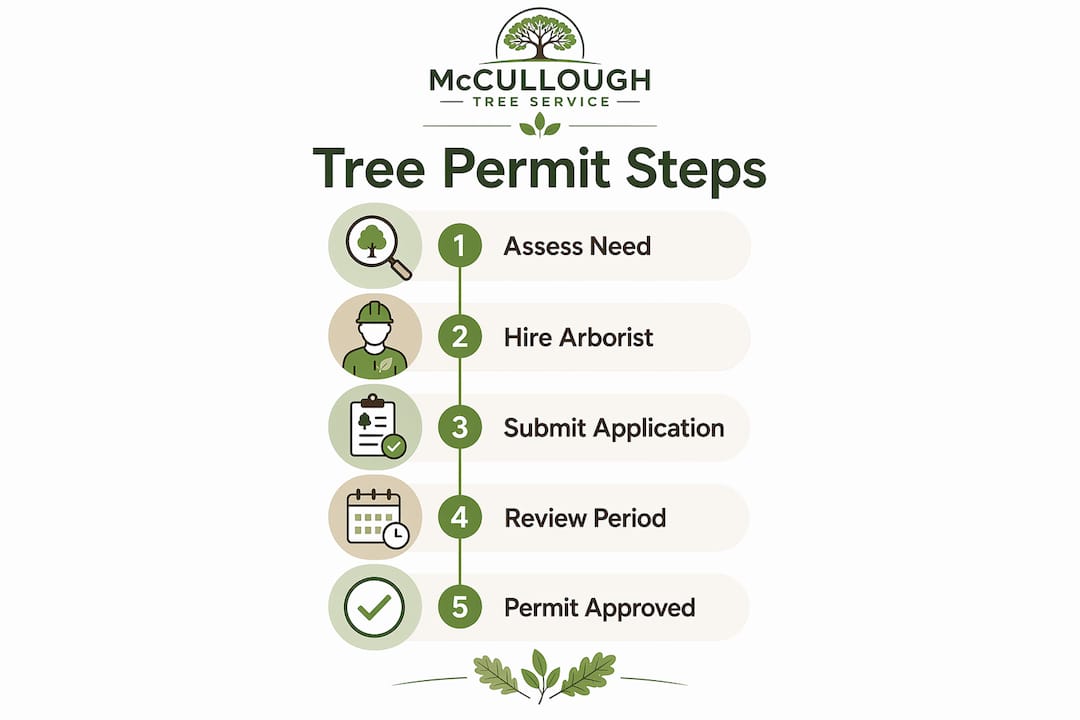
The permit application process is straightforward when you know what to prepare. Applications generally require site plans, photos, and sometimes replacement or mitigation plans, with lead times of at least 15 days before work begins. Some routine requests move through review in 2 working days, but complex applications involving heritage trees or environmental overlays take longer.
The standard steps for tree removal permits in Central Florida include:
- Measure and document every tree. Record DBH, species, and condition for each tree you plan to remove or alter.
- Prepare a site plan. Show tree locations relative to structures, easements, and property lines.
- Photograph each tree. Clear photos of the trunk, canopy, and any visible damage support your application.
- Submit a replacement or mitigation plan. Many jurisdictions require you to plant replacement trees or pay into a tree bank fund.
- File the application early. Submit at least 15 days before your planned work start date to avoid project delays.
- Keep the permit visible on-site. Failure to display permits during work can trigger stop-work orders from inspectors, even when the permit is valid.
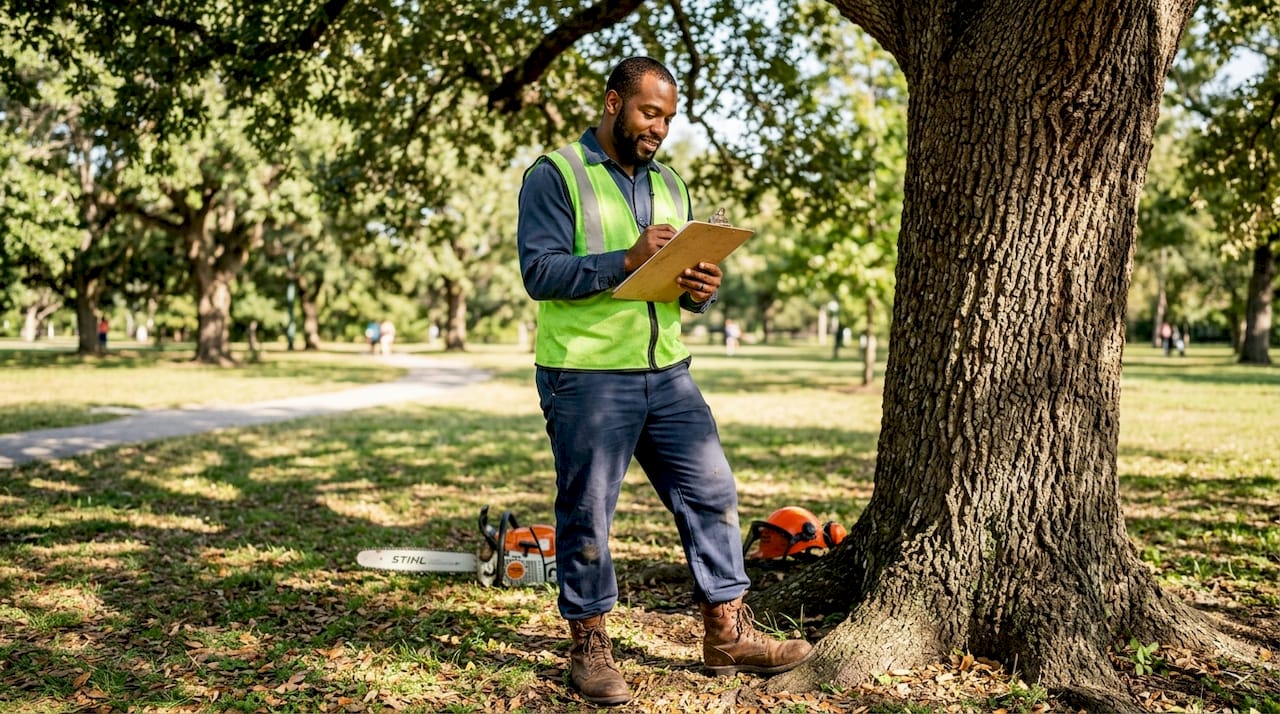
A certified arborist is your strongest asset in this process. Arborists can assess tree health, document hazard status using ISA standards, and prepare the technical documentation that local reviewers expect. Mcculloughtreeservice provides certified arborist support for permit applications across the Orlando metro area.
Pro Tip: Start your permit application before finalizing your construction or landscaping schedule. Permit review timelines are outside your control, and a 15-day delay at the start costs far less than a stop-work order mid-project.
How do tree permits affect property value and project success?
Tree permit compliance directly protects your investment. Permits ensure development prioritizes tree retention and mitigation, which prevents the unnecessary loss of mature trees that buyers and appraisers factor into valuations. A property with a preserved canopy commands a premium. A lot stripped of mature trees during unpermitted work can take a generation to recover that value.
For land developers, permit violations create project risk that goes beyond fines. A stop-work order on a commercial site can idle crews, delay financing draws, and trigger contract penalties with tenants or buyers. The cost of compliance is always lower than the cost of enforcement.
Responsible tree management under a permit framework also integrates removal with replacement. When you remove a protected tree with a permit, you document the loss and plan for mitigation. That paper trail protects you during future transactions, inspections, and disputes.
Pro Tip: Buyers and title companies increasingly review permit histories during due diligence. A clean permit record for tree work is a selling point. An unpermitted removal on record is a negotiating liability.
For developers planning larger projects, commercial tree removal in Central Florida carries its own set of permit requirements that differ from residential rules. Knowing those distinctions before breaking ground saves significant time and money.
What are the most common mistakes with tree permit regulations?
Most permit violations are not intentional. They result from misunderstanding the rules or underestimating how strictly local inspectors enforce them. The following mistakes appear repeatedly in Central Florida enforcement cases.
- Measuring DBH incorrectly. DBH must be measured at exactly 4.5 feet above ground. Measuring lower inflates the reading and can push a tree below the permit threshold when it actually qualifies.
- Assuming a tree is exempt without checking. Exemptions for dead, diseased, or invasive trees vary by municipality. What is exempt in one county may require a permit in the next.
- Skipping the ISA assessment for hazardous trees. Self-declared hazard status is not accepted. A certified arborist must document the risk using ISA standards before most jurisdictions approve expedited removal.
- Leaving permits in the truck. Permits must be physically visible on-site during all tree work. An inspector who cannot see the permit can issue a stop-work order immediately.
- Starting work before the review period ends. Filing an application does not grant permission to proceed. You must wait for written approval.
Pro Tip: Check your specific municipality’s tree ordinance before any project, not just county-level rules. Cities like Orlando, Winter Park, and Kissimmee each maintain their own tree preservation laws that may be stricter than county standards.
Key Takeaways
Tree permit compliance in Central Florida is a legal requirement, a financial safeguard, and a long-term investment in your property’s health and value.
| Point | Details |
|---|---|
| Permits protect property value | Preserved mature trees can increase property values by up to 15%, making compliance a financial asset. |
| DBH threshold triggers permits | Most Central Florida jurisdictions require permits for trees at 6 inches DBH, measured at exactly 4.5 feet. |
| Violations carry serious penalties | Fines can exceed $100,000 for protected species, plus mandatory replanting and triple damages. |
| ISA assessment is required for hazards | Certified arborist verification using ISA standards is mandatory before hazardous tree removal approval. |
| Visible permits prevent stop-work orders | Keeping permit documents physically on-site during work is a procedural requirement, not optional. |
Tree permits are worth respecting, not resisting
Property owners often ask me whether tree permits are really enforced or whether they can skip the process for a small tree. My honest answer is that the risk calculation has changed. Local inspectors in Orange, Seminole, and Osceola counties have become more active, and neighbors report unpermitted work more frequently than they did a decade ago.
What I have seen repeatedly is that the owners who fight the permit process end up spending far more than those who work within it. A $500 permit fee and a two-week wait feel painful in the moment. A $50,000 fine, a mandatory replanting order, and a stop-work order that idles a crew for a week feel catastrophic.
The deeper point is that tree preservation laws are evolving toward stricter standards, not looser ones. Central Florida’s growth pressure means every mature tree that survives development carries more ecological and financial weight than it did 20 years ago. Permits are the mechanism that keeps that weight on the right side of the ledger.
Working with a certified arborist from the start of any project is the single best decision you can make. Not because the rules are impossible to navigate alone, but because the cost of a professional assessment is trivial compared to the cost of getting it wrong.
— Mcculloughtreeservice
Mcculloughtreeservice can handle your permit compliance
Navigating Central Florida’s tree permit regulations takes local knowledge, certified credentials, and experience with municipal review processes. Mcculloughtreeservice brings all three to every project in the Orlando area.
Whether you need a certified arborist assessment for a permit application, professional tree removal services that meet local compliance standards, or expert tree trimming to maintain your canopy without triggering permit requirements, the team at Mcculloughtreeservice has you covered. Contact Mcculloughtreeservice for a free estimate and let a licensed professional handle the details before your next project breaks ground.
FAQ
What triggers a tree permit requirement in Central Florida?
Most Central Florida municipalities require a permit when a tree’s trunk reaches 6–10 inches in Diameter at Breast Height, measured at 4.5 feet above ground. Heritage trees, protected species, and trees near easements or wetlands may trigger permits at different thresholds.
How long does a tree permit application take?
Permit applications typically require at least 15 days of lead time before work can begin. Routine requests in some cities are reviewed within 2 working days, while complex applications involving heritage trees take longer.
What happens if you remove a tree without a permit?
Fines range from hundreds to thousands of dollars per tree, and violations involving protected species can exceed $100,000. Penalties also include mandatory replacement planting and potential triple damages under timber-trespass laws.
Can I claim a tree is hazardous to skip the permit process?
No. Jurisdictions require a certified arborist to verify hazard status using ISA Basic Tree Risk Assessment standards. Self-declared hazardous status is not accepted as grounds for permit exemption or expedited removal.
Do I need a permit to trim, not just remove, a tree?
Trimming requirements vary by municipality. Significant pruning that removes more than a set percentage of the canopy may require a permit in some Central Florida cities. Check your local ordinance or consult a certified arborist before major trimming work.
Recommended
- Tree Permits in Central Florida – What Homeowners Need to Know
- Tree Planting Considerations for Central Florida Homes
- How to prepare your property for safe, efficient tree work
- Tree inspections: protect your property and stay compliant