By: Shelby McCullough| Published: March 3, 2026
Removing a tree from your Central Florida property involves more legal and safety complexity than most homeowners realize. Improper removal can lead to serious injuries, expensive property damage, and thousands of dollars in municipal fines. This guide walks you through legal compliance, essential safety gear, proven removal techniques, cost considerations, and responsible disposal methods so you can approach tree removal with confidence and minimize risk.
Table of Contents
- Understanding Legal and Permit Requirements in Central Florida
- Preparing for Tree Removal: Equipment and Safety Measures
- Step-by-Step Tree Removal Process
- Professional vs DIY Tree Removal: Risk and Cost Considerations
- Common Mistakes in Tree Removal and How to Avoid Them
- Disposal and Cleanup: Responsible Post-Removal Practices
- Expected Outcomes and Success Metrics
- Get Professional Tree Removal Services in Central Florida
- Frequently Asked Questions About Safe Tree Removal
Key Takeaways
| Point | Details |
|---|---|
| Permits Required | Trees over 6 inches DBH require permits in most Central Florida municipalities |
| PPE Reduces Injuries | Proper safety equipment cuts injury risk by 85% during removal work |
| Professional Advantage | Certified arborists reduce property damage risks by 65% compared to DIY |
| Cutting Technique Matters | Improper notch and back cuts cause 40% of tree removal damage incidents |
| Disposal Critical | Proper debris handling prevents fines and reduces fire hazards by 90% |
Understanding Legal and Permit Requirements in Central Florida
Before you pick up a chainsaw, you need to understand the local regulations governing tree removal. Most Central Florida municipalities require permits for trees over 6 inches in diameter at breast height, and unauthorized removal can trigger significant fines or legal action. The diameter measurement is taken at 4.5 feet above ground level, so even medium sized trees often require approval.
Your first step is contacting your local building or environmental department to verify permit requirements for your specific property. Each city and county maintains slightly different rules, and what applies in Orlando may differ from regulations in Winter Park or Kissimmee. Some areas also protect specific tree species or trees in certain locations regardless of size.
The permit application typically requires you to submit details about the tree’s location on your property, its size measurements, and your reason for removal. Processing times vary but usually take one to three weeks. Starting this process early prevents project delays and ensures you stay on the right side of local ordinances.
Key permit considerations include:
- Diameter thresholds triggering permit requirements
- Protected species lists in your municipality
- Heritage tree designations for older specimens
- Exceptions for dead, diseased, or hazardous trees
- Required documentation and inspection schedules
Skipping the permit process to save time or money creates far bigger problems down the road. Fines can reach thousands of dollars, and some municipalities require violators to plant replacement trees at significant expense.
Preparing for Tree Removal: Equipment and Safety Measures
Once permits are secured, proper preparation separates safe removal from potential disaster. Using appropriate personal protective equipment reduces injuries by 85% during tree work, making PPE your most important investment. Every person involved in the removal must wear complete protection, no exceptions.
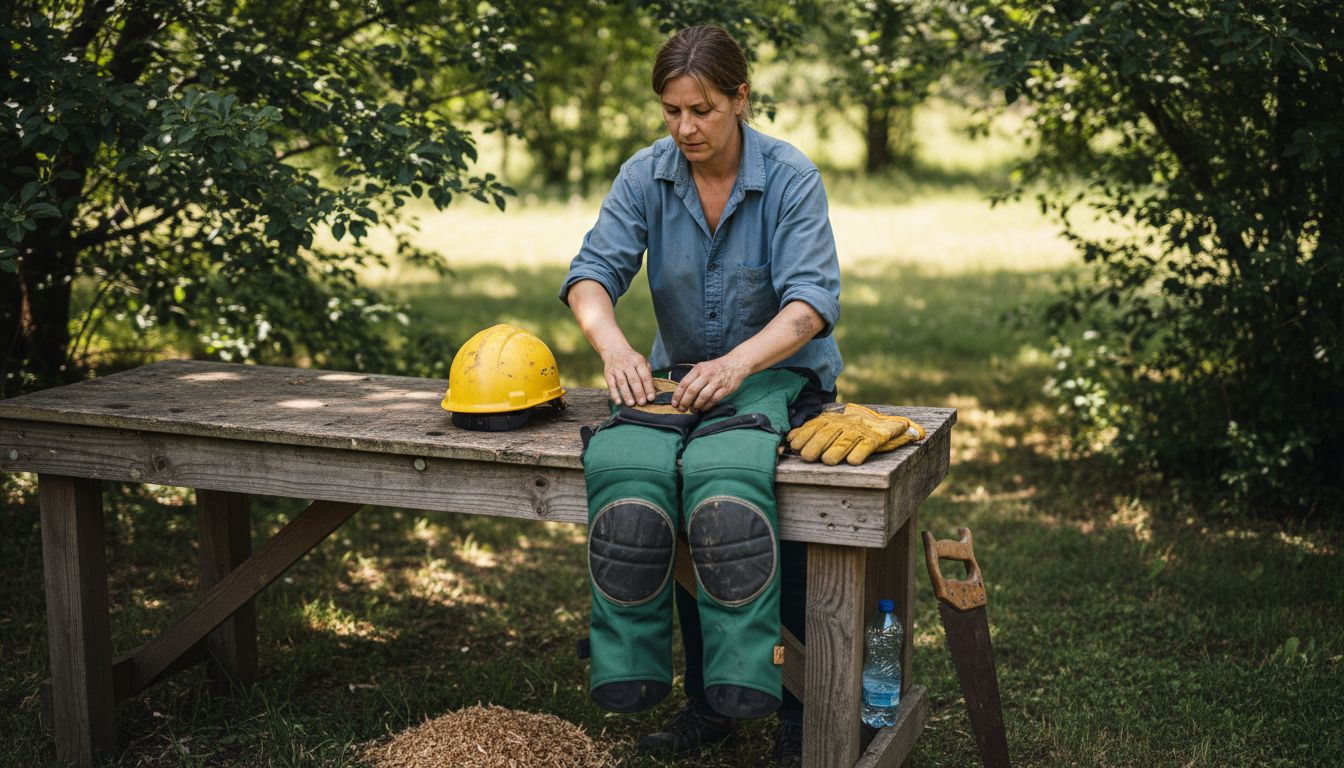
Essential safety gear includes a hard hat rated for forestry work, safety glasses or a face shield, heavy duty work gloves, chainsaw chaps that cover your legs, and steel toe boots with good traction. Hearing protection becomes critical when operating power equipment for extended periods. Skimping on any piece puts you at serious risk.
Your tool list depends on tree size but typically includes a chainsaw with sharp chain and proper tension, hand saws for smaller branches, plastic or metal wedges to control fall direction, climbing rope rated for your weight, and access to a stump grinder for cleanup. All equipment must be inspected before use to catch worn parts or damage.
Identifying overhead hazards increases electrocution risk by 70% when power lines are present, so walk your entire work area looking up. Mark utility line locations and maintain at least 10 feet of clearance. If lines run through or near your tree, stop immediately and call professionals.
Safety protocols to follow:
- Inspect all equipment before starting work
- Establish clear communication signals if multiple workers present
- Set up barriers to keep bystanders away from the fall zone
- Check weather conditions and avoid work in high winds
- Keep first aid supplies and charged phone accessible
Pro Tip: Always plan two escape routes at 45 degree angles from the expected fall direction before making any cuts, giving you safe exit options if the tree behaves unpredictably.
Step-by-Step Tree Removal Process
With proper safety equipment for tree removal assembled and hazards identified, you’re ready to execute the actual removal. Following a methodical sequence prevents mistakes and keeps everyone safe throughout the project.
Step 1: Secure and Review Permits
Double check that all required permits are approved and posted at your work site. Keep copies accessible in case inspectors visit during the project. Review any special conditions or restrictions listed in your approval.
Step 2: Prepare Equipment and Assess Risks
Lay out all tools and PPE, then conduct a final risk assessment. Examine the tree for rot, cracks, or lean that might affect fall direction. Identify the natural lean and plan your cuts accordingly. Clear the fall zone of obstacles and mark your escape routes.
Step 3: Execute Controlled Directional Felling
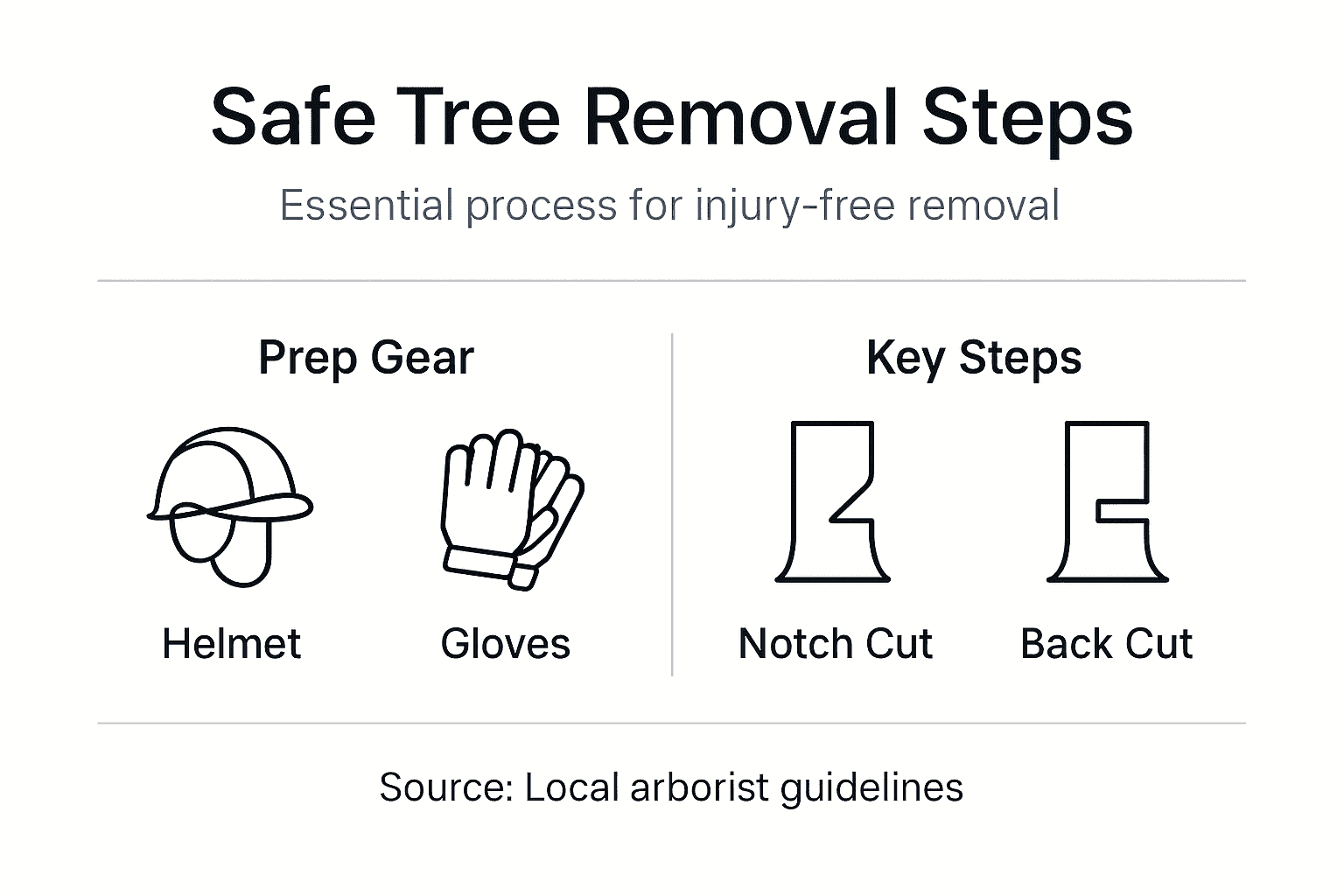
Use the notch and back cut technique for controlled falls. Cut a notch on the side facing your intended fall direction, angling down at 45 degrees to remove a wedge about one quarter of the tree’s diameter. Then make your back cut on the opposite side, slightly higher than the notch bottom, leaving a hinge of wood to guide the fall. Insert wedges as needed to prevent binding.
Step 4: Remove Tree and Grind Stump
Once the tree is down, limb from bottom to top on the opposite side from where you’re standing. Cut the trunk into manageable sections. Schedule stump grinding after tree removal to eliminate trip hazards and prevent regrowth. Sort debris for disposal, separating usable firewood from brush.
Typical tree removal projects take 3 to 8 hours depending on size and complexity. Smaller trees under 30 feet might finish in three hours, while specimens over 60 feet with complex branch structures can require a full day. Don’t rush the process.
| Tree Size | Estimated Time | Complexity Factors |
|---|---|---|
| Under 30 feet | 3 to 4 hours | Minimal branching, clear fall zone |
| 30 to 60 feet | 4 to 6 hours | Moderate branches, some obstacles |
| Over 60 feet | 6 to 8 hours | Heavy branching, tight spaces, multiple cuts |
Pro Tip: Mark your hinge wood clearly before making the back cut to avoid cutting through it, which causes loss of directional control and dangerous unpredictable falls.
Professional vs DIY Tree Removal: Risk and Cost Considerations
Deciding between handling removal yourself or hiring professional tree removal services requires honest assessment of your skills, equipment, and risk tolerance. Each approach carries distinct tradeoffs that significantly impact safety and your wallet.
Professional removal brings certified arborist expertise, comprehensive insurance coverage, and established safety protocols. Certified arborists reduce property damage during removal by 65% compared to inexperienced operators. They also handle all permit paperwork, carry specialized equipment, and dispose of debris as part of the service. The peace of mind and reduced liability often justify the higher upfront cost.
DIY removal appears cheaper initially, with primary costs limited to equipment rental and disposal fees. However, DIY attempts result in injuries in 30% of cases and carry substantially higher risks of permit violations leading to fines. You’re also personally liable for any property damage to your home, vehicles, fences, or neighbor’s property.
Typical professional removal in Central Florida runs $700 to $1,500 depending on tree height, diameter, location difficulty, and disposal requirements. Trees near structures, power lines, or with extensive rot command premium pricing due to increased risk and required expertise. Emergency removal after storms costs more due to urgency and hazardous conditions.
| Factor | DIY Approach | Professional Service |
|---|---|---|
| Injury Risk | 30% of projects | Under 5% of projects |
| Typical Cost | $200 to $400 equipment/disposal | $700 to $1,500 full service |
| Permit Handling | Your responsibility | Included in service |
| Equipment Needs | Rental or purchase required | Provided by contractor |
| Liability Coverage | Your homeowner’s policy | Contractor’s insurance |
| Time Investment | 6 to 12 hours plus learning | 3 to 8 hours, no learning curve |
Consider these decision factors:
- Tree height over 30 feet favors professional help
- Proximity to structures or utilities increases DIY risk
- Your physical fitness and comfort with power tools
- Equipment availability and rental costs in your area
- Local permit complexity and inspection requirements
For trees under 20 feet in open areas with no obstacles, DIY might make sense if you have experience and proper equipment. Anything larger, near structures, or involving overhead hazards justifies calling certified arborist services to protect your safety and property.
Common Mistakes in Tree Removal and How to Avoid Them
Even with good intentions and decent preparation, specific errors repeatedly cause property damage and injuries during tree removal. Understanding these pitfalls helps you avoid common tree removal mistakes that turn straightforward projects into expensive disasters.
Failing to secure required permits tops the list of preventable errors. Many homeowners assume permits are optional or too much hassle, then face stop work orders and fines when inspectors notice the activity. Always verify requirements before starting and keep approval documents on site.
Ignoring personal protective equipment use dramatically increases injury severity when accidents occur. Falling branches, chainsaw kickback, and flying wood chips cause serious harm without proper protection. The few minutes saved skipping PPE aren’t worth emergency room visits or permanent disability.
Improper directional cutting technique causes 40% of uncontrolled falls leading to property damage. Cutting the notch too shallow, placing the back cut at the wrong height, or removing the hinge wood entirely eliminates your control over fall direction. The tree then goes wherever physics and wind take it, often into structures or power lines.
Overlooking overhead hazards like power lines vastly increases electrocution risk. Trees touching or near lines must be handled by utility companies or contractors with specialized training and equipment. Even dead branches can conduct electricity if they bridge the gap between line and ground.
Using poorly maintained or inappropriate tools causes equipment failures at critical moments. Dull chainsaw chains require excessive force and increase kickback risk. Worn rope fibers can snap under load. Inspect everything before use and replace questionable items.
Mistakes to actively avoid:
- Starting work without verified permit approval
- Operating equipment without full PPE
- Rushing cuts without planning escape routes
- Working alone on large or complex removals
- Ignoring weather conditions like high winds
- Failing to establish clear work zone barriers
Most accidents stem from impatience, overconfidence, or cutting corners to save time. Taking the methodical approach and following proven safety protocols prevents the majority of problems. If you feel uncertain about any aspect, pause and get professional guidance rather than guessing.
Disposal and Cleanup: Responsible Post-Removal Practices
Getting the tree on the ground is only part of the job. Proper disposal and thorough cleanup complete the project safely and keep you compliant with local regulations. Stump grinding and debris disposal require as much planning as the removal itself.
Most Central Florida municipalities offer green waste pickup or dropoff programs for tree debris. Contact your waste management department to learn schedules, volume limits, and any preparation requirements like bundling branches. These programs provide legal, convenient disposal at little or no cost.
Never dump tree debris in vacant lots, wooded areas, or alongside roads. Illegal dumping triggers fines and creates fire hazards and pest habitat. It also damages the environment and gives your community a bad impression. Always use approved disposal methods.
Chipping or shredding debris reduces fire risk by 90% compared to leaving brush piles on your property. Chips also make excellent mulch for landscaping beds, providing free ground cover that suppresses weeds and retains moisture. Many equipment rental centers offer wood chipper rentals by the day.
If you generated significant usable firewood, stack it in a safe location away from structures with good air circulation. Green wood needs six months to a year of seasoning before burning efficiently. Keep stacks off the ground on pallets to prevent rot and termite issues.
Cleanup best practices include:
- Walking the entire work area removing small debris and wood chips
- Checking for and removing any nails or metal hardware
- Filling holes and ruts created by heavy equipment
- Inspecting surrounding property for damage
- Raking and seeding bare soil if roots were disturbed
Pro Tip: Renting a wood chipper and having it delivered for a full day costs $100 to $200 but eliminates disposal headaches while providing valuable mulch for your landscaping needs.
Thorough site cleanup prevents trip hazards, eliminates pest habitat, and returns your property to attractive condition. Don’t consider the project complete until you’ve removed every trace of debris and addressed any ground disturbance.
Expected Outcomes and Success Metrics
Knowing what successful tree removal looks like helps you evaluate whether your project met safety and quality standards. Setting realistic expectations for time, cost, and results prevents disappointment and helps identify when something goes wrong.
Average completion time ranges from 3 to 8 hours based on tree size and site complexity. Small trees under 30 feet in open areas finish quickly, while large specimens near structures require careful sectional removal that takes significantly longer. Weather delays and equipment issues can extend timelines.
Typical professional removal costs in Central Florida fall between $700 and $1,500 for most residential projects. Extremely large trees, emergency storm work, or trees requiring crane access command premium pricing. DIY costs run $200 to $400 for equipment rental and disposal if you already own basic safety gear.
Safe outcomes mean zero injuries to anyone involved and minimal or no property damage beyond the intended removal area. Minor damage to surrounding grass from equipment is normal and easily repaired. Any damage to structures, vehicles, fences, or utilities indicates problems with planning or execution.
Legal compliance success shows in permits obtained before work started, all inspections passed if required, and proper disposal of all debris through approved channels. Absence of violations or fines confirms you followed regulations correctly.
Environmental responsibility appears in debris properly recycled or composted rather than dumped illegally, minimal impact to surrounding vegetation, and erosion control measures on disturbed soil. Leaving your property in good condition demonstrates project thoroughness.
| Success Metric | Target Outcome | Warning Signs |
|---|---|---|
| Completion Time | 3 to 8 hours for typical trees | Major delays beyond weather |
| Project Cost | $700 to $1,500 professional range | Unexpected charges or overruns |
| Safety Record | Zero injuries, no property damage | Any injuries or structural damage |
| Legal Compliance | Permits approved, inspections passed | Violations, fines, or stop orders |
| Site Condition | Clean, debris removed, minimal impact | Remaining hazards or mess |
Use these benchmarks to assess whether your tree removal met professional standards. Significant deviations suggest problems that need addressing before you consider the work complete.
Get Professional Tree Removal Services in Central Florida
While understanding safe removal practices helps you make informed decisions, partnering with experienced professionals often delivers the best results. McCullough Tree Service brings certified arborist expertise to every professional tree removal project in Central Florida, ensuring compliance with all permit requirements and safety regulations.
Our team handles everything from initial permit applications through final debris disposal, eliminating the stress and risk of DIY approaches. With comprehensive insurance coverage and specialized equipment, we protect your property while completing removals efficiently. Our certified arborist services include detailed risk assessment and customized removal plans for your specific situation.
We also provide complete stump grinding services to finish the job properly, eliminating trip hazards and preventing regrowth. Our experienced crews work quickly without sacrificing safety, typically completing projects in less time than DIY attempts while achieving superior results. Contact McCullough Tree Service today for a detailed quote and discover how professional expertise saves you time, money, and worry.
Frequently Asked Questions About Safe Tree Removal
Do I always need a permit to remove a tree in Central Florida?
Most municipalities require permits for trees exceeding 6 inches diameter at breast height, though specific thresholds vary by location. Dead, diseased, or immediately hazardous trees sometimes qualify for expedited approval or exemptions. Always verify requirements with your local building or environmental department before starting work to avoid fines.
What personal protective equipment should I wear during DIY tree removal?
Essential PPE includes a forestry rated hard hat, safety glasses or face shield, heavy duty work gloves, chainsaw chaps covering your legs, and steel toe boots with good traction. Hearing protection is critical when operating power equipment. Every person in the work area needs complete protection, as flying debris and falling branches don’t discriminate.
How can I tell if a tree is too dangerous to remove myself?
Trees over 30 feet tall, near structures or power lines, showing significant rot or damage, or leaning heavily toward targets should be handled by professionals. If you feel uncertain about any aspect of the removal or lack proper equipment, that’s your signal to call certified arborists. The risk of injury or property damage outweighs any cost savings from DIY attempts on complex removals.
What is the average cost for professional tree removal in this region?
Professional removal in Central Florida typically ranges from $700 to $1,500 depending on tree size, location complexity, and disposal requirements. Small trees under 30 feet in open areas cost less, while large specimens near structures or requiring crane access command premium pricing. Emergency storm removal costs more due to urgency and hazardous conditions. Request detailed quotes from licensed contractors for accurate estimates.
How should I dispose of tree debris to stay legal and safe?
Use municipal green waste pickup programs, approved dropoff locations, or licensed debris haulers for legal disposal. Chipping debris into mulch eliminates disposal costs while reducing fire risk. Never dump in vacant lots, wooded areas, or roadsides, as illegal dumping triggers fines and environmental harm. Check with your waste management department for specific guidelines and schedules in your area.
Recommended
- Guide to Tree Removal in Orlando
- Safe Hazardous Tree Removal in Orlando – Proven Solutions
- Guide to Cutting Trees in Florida Legally
- Emergency Tree Removal: Protecting Central Florida Property