By: Shelby McCullough| Published: March 19, 2026
Proper tree care can increase your Central Florida property’s market value by up to 20%, yet many real estate investors overlook this powerful wealth-building strategy. The difference between a well-maintained landscape and neglected trees can mean tens of thousands of dollars when selling your property. This guide reveals how professional tree services protect your investment, enhance curb appeal, and create measurable returns through strategic maintenance. You’ll discover which tree care practices deliver the highest value gains and how to implement them effectively in Central Florida’s unique climate.
Table of Contents
- Understanding How Tree Care Influences Property Value
- Key Tree Care Practices That Protect And Grow Your Investment
- How Proper Tree Care Enhances Curb Appeal And Attracts Buyers
- Applying Professional Tree Care Strategies To Maximize Your Central Florida Property Value
- Enhance Your Property’s Value With Expert Tree Care Services
- Frequently Asked Questions About Tree Care And Property Value
Key takeaways
| Point | Details |
|---|---|
| Value increase potential | Professional tree maintenance can boost property values by 15-20% through enhanced curb appeal and buyer interest. |
| Safety and liability | Regular trimming and removal of hazardous trees protect your investment from damage and reduce insurance risks. |
| Timing matters | Strategic scheduling around Central Florida’s weather patterns maximizes tree health and property protection. |
| Professional expertise | Certified arborists deliver superior results that general landscapers cannot match for long-term value preservation. |
Understanding how tree care influences property value
Trees represent living assets that directly impact your property’s financial worth. In Central Florida’s competitive real estate market, well-maintained trees can increase property values by up to 20% compared to similar properties with neglected landscapes. This substantial premium stems from multiple factors: shade that reduces cooling costs, visual appeal that creates memorable first impressions, and privacy screening that enhances outdoor living spaces.
Buyers consistently rank mature, healthy trees among their top desired features when evaluating properties. The psychological impact of tree-lined streets and well-framed architecture cannot be overstated. Properties with professional tree care command attention in listings and generate more showing requests. Conversely, overgrown branches, dead limbs, or diseased trees signal deferred maintenance and trigger buyer concerns about hidden problems.
The financial impact varies by tree condition and placement. Strategic trimming that highlights architectural features delivers different returns than removing hazardous specimens near structures. Understanding these nuances helps you prioritize investments for maximum value gain.
| Tree Condition | Property Value Impact | Buyer Perception | Maintenance Cost |
|---|---|---|---|
| Well-maintained | +15-20% increase | Highly desirable | $300-800 annually |
| Moderately neglected | -5-10% decrease | Needs work | $500-1500 catch-up |
| Severely damaged | -15-25% decrease | Major concern | $2000-5000+ remediation |
| Hazardous/dead | -20-30% decrease | Deal breaker | Emergency removal required |
Several key factors determine how trees affect your property’s worth:
- Mature trees provide immediate shade value that younger plantings cannot match for years
- Strategic placement frames views and creates natural outdoor rooms that expand usable space
- Species selection matters, native varieties adapted to Central Florida thrive with less intervention
- Seasonal interest from flowering or colorful foliage extends appeal beyond basic greenery
Pro Tip: Schedule professional tree trimming every 18-24 months to maintain optimal health and appearance. This preventive approach costs far less than emergency interventions while preserving maximum property value. The benefits of tree trimming compound over time as trees develop strong structure and attractive form.
Key tree care practices that protect and grow your investment
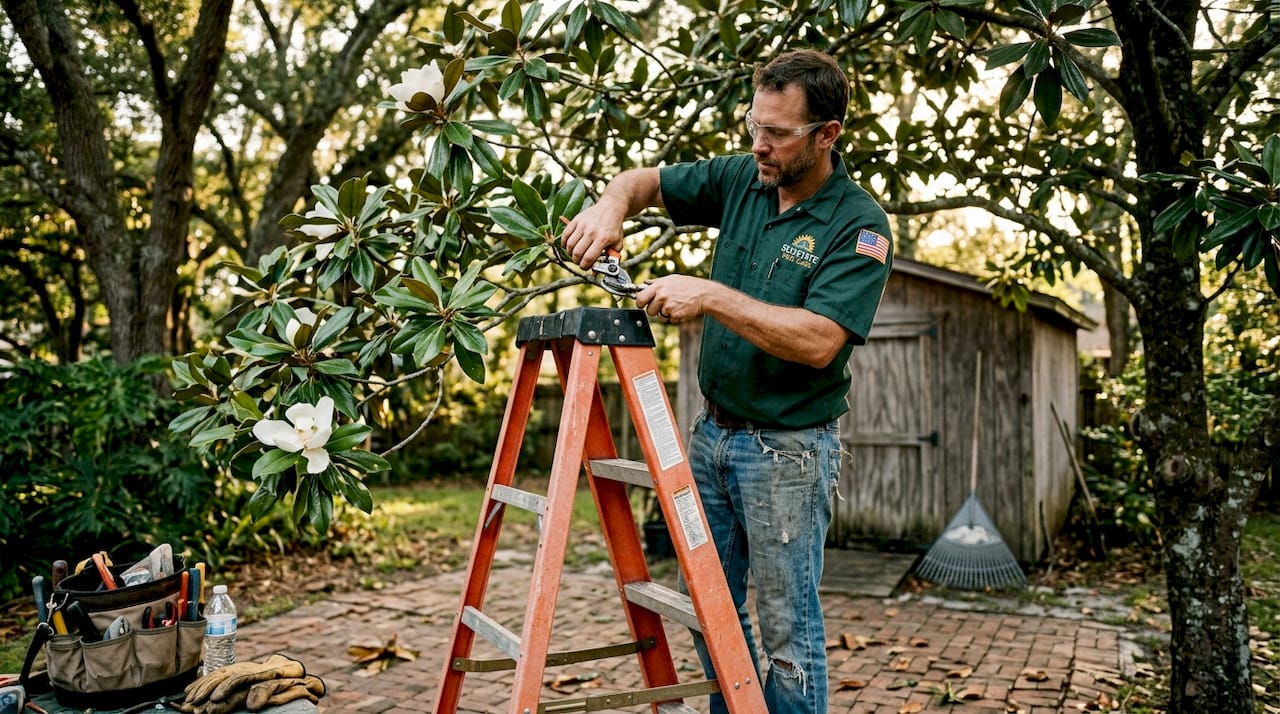
Three essential services form the foundation of value-preserving tree care: trimming, pruning, and removal. Each serves distinct purposes and delivers specific financial benefits when applied correctly. Understanding which service your trees need prevents costly mistakes and maximizes your investment returns.
| Service | Primary Purpose | Key Benefits | Optimal Timing | Value Impact |
|---|---|---|---|---|
| Trimming | Shape and aesthetics | Enhanced curb appeal, controlled growth | Every 18-24 months | High positive |
| Pruning | Health and structure | Disease prevention, storm resistance | Annually or as needed | Medium to high positive |
| Removal | Safety and space | Eliminates hazards, opens development areas | When tree becomes liability | Prevents negative impact |
Proper pruning reduces hazards and enhances tree longevity, promoting property safety while maintaining aesthetic value. This targeted approach removes diseased or damaged branches before they compromise the entire tree. Strategic cuts encourage strong growth patterns that withstand Central Florida’s intense storms and high winds.
The distinction between trimming and pruning confuses many property owners. Trimming focuses on shape and appearance, creating clean lines and balanced canopies that enhance visual appeal. Pruning addresses structural issues and health concerns, removing crossing branches, water sprouts, and diseased wood. Both services contribute to property value, but pruning delivers greater long-term protection for your investment.
Timely tree removal protects property investment from damage and value loss when trees become hazardous or diseased beyond recovery. Removing a dangerous tree costs less than repairing structural damage from a fallen specimen. Insurance companies increasingly scrutinize tree maintenance records, and documented hazards can affect coverage or claims.
Follow this systematic approach for effective tree care maintenance:
- Conduct annual assessments in early spring to identify winter damage and plan seasonal work
- Schedule trimming during dormant periods when possible to minimize stress and maximize recovery
- Address pruning needs immediately when you notice dead branches, disease symptoms, or structural weaknesses
- Plan removal projects during dry seasons to minimize property damage from heavy equipment
- Document all professional services with photos and receipts to demonstrate maintenance history to future buyers
- Budget 1-2% of property value annually for comprehensive tree care to maintain optimal condition
Pro Tip: Hire certified arborists rather than general landscapers for tree work. Arborists understand tree biology and proper cutting techniques that preserve long-term health. Poor cuts from untrained workers can permanently damage trees and reduce property value despite lower initial costs. The expertise difference becomes obvious in tree response and longevity.
How proper tree care enhances curb appeal and attracts buyers
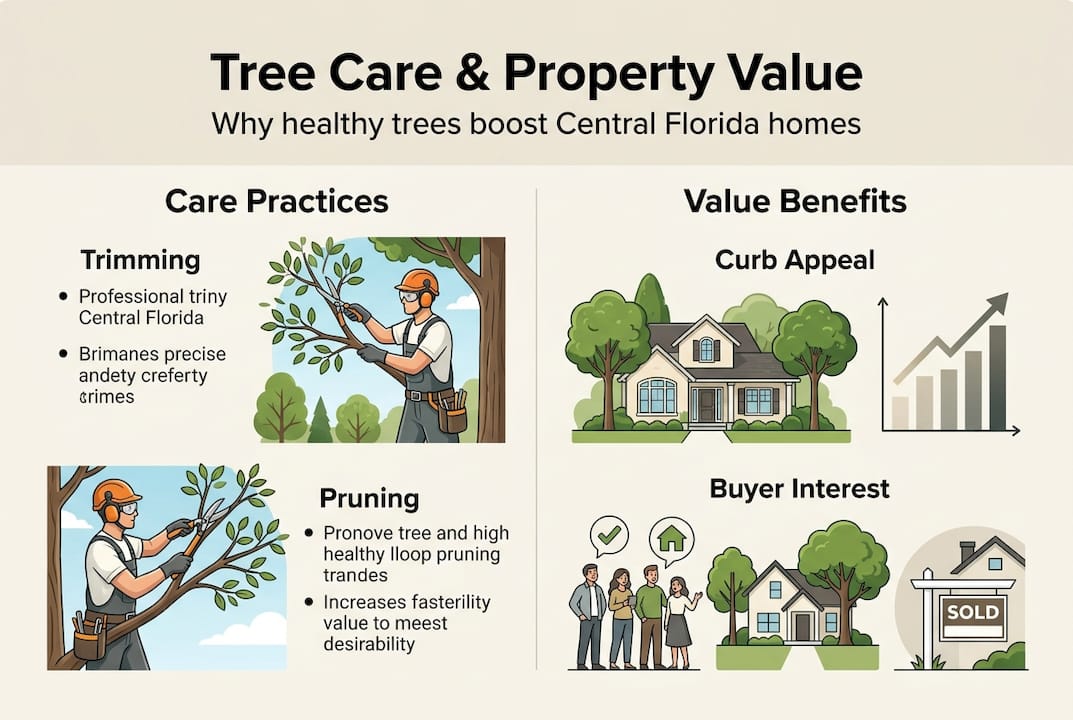
Curb appeal drives buyer interest and initial property valuations before potential purchasers even step inside. Trees serve as the dominant visual element in most landscapes, creating immediate impressions that influence offer prices and negotiation positions. Professional maintenance transforms ordinary yards into showcase properties that command premium prices.
Well-maintained trees improve curb appeal through multiple mechanisms:
- Shade creates comfortable outdoor spaces that extend living areas and reduce energy costs
- Symmetrical canopies and clean lines demonstrate pride of ownership and attention to detail
- Seasonal color from flowers, foliage, or bark adds visual interest throughout the year
- Strategic framing highlights architectural features and creates appealing sight lines from the street
- Mature specimens convey permanence and established character that new plantings cannot replicate
“Buyers consistently tell us that properties with mature, well-kept trees feel more valuable and established. The emotional connection to tree-lined streetscapes translates directly into higher offers and faster sales. We’ve seen properties sit on the market for months until owners invested in professional tree care, then receive multiple offers within weeks of the work being completed.”
Properties with mature, well-kept trees experience greater buyer interest and higher sales prices across all property types and price ranges. This premium reflects both tangible benefits like energy savings and intangible factors like neighborhood character. Real estate agents actively seek listings with attractive landscapes because they photograph better and generate more showing requests.
Professional trimming enhances architectural features by removing visual clutter and directing attention to your home’s best attributes. Overgrown branches that obscure rooflines or windows diminish curb appeal regardless of the home’s actual condition. Strategic removal opens sight lines while maintaining shade and privacy where desired. The goal is balance: enough foliage to provide benefits without overwhelming the structure.
Maintaining tree health prevents unsightly damage that deters buyers and triggers price reductions. Brown needles, bare branches, or obvious disease symptoms signal neglect and raise concerns about other deferred maintenance. Buyers assume that visible tree problems indicate hidden issues throughout the property. The benefits of regular professional tree trimming include early disease detection and intervention before problems become obvious to casual observers.
Consider timing tree care around listing schedules. Properties show best when trees display full, healthy canopies without dead wood or awkward growth patterns. Plan major trimming 2-3 months before listing to allow trees to recover and fill in. Avoid heavy pruning immediately before photos, as fresh cuts can look harsh. Instead, maintain regular trimming schedules that keep trees in continuous good condition.
Applying professional tree care strategies to maximize your Central Florida property value
Integrating professional tree care into your property management strategy requires planning and consistent execution. The most successful real estate investors treat tree maintenance as essential infrastructure upkeep rather than optional cosmetic work. This mindset shift protects your investment and compounds returns over time through preserved and enhanced property values.
Follow these practical steps to implement effective tree care:
- Schedule comprehensive assessments with certified arborists every 2-3 years to identify emerging issues before they become expensive problems
- Create a multi-year maintenance calendar that spreads costs and prevents deferred maintenance accumulation
- Prioritize work based on safety concerns first, then value-enhancement opportunities, and finally aesthetic preferences
- Request detailed proposals that explain recommended work and expected outcomes so you understand the investment rationale
- Maintain records of all professional services including photos, invoices, and arborist reports to document your property’s care history
- Budget for both routine maintenance and emergency response funds to handle storm damage or unexpected tree failures
Timing tree care around Central Florida’s weather patterns maximizes results and minimizes risks. Schedule major trimming during the cooler months from November through March when trees experience less stress and recover faster. This timing also positions your property for spring growth and summer storm season. Hurricane preparation should include professional assessment of trees near structures, with removal or heavy pruning of hazardous specimens completed by June.
Choosing experienced local services ensures providers understand Central Florida’s unique challenges. Native species, soil conditions, pest pressures, and storm patterns require specialized knowledge that general tree services may lack. Professional tree trimming services from established local companies deliver superior results because they’ve developed expertise through years of working in the region’s specific conditions.
Continuous investment in expert tree care services builds long-term asset value that compounds over your ownership period. Each maintenance cycle improves tree structure, health, and appearance while preventing deterioration that erodes property value. This proactive approach costs less than reactive emergency interventions while delivering better outcomes.
The cycle of care combines multiple services throughout the year. Spring assessments identify winter damage and plan summer preparations. Pre-hurricane trimming reduces wind resistance and removes hazardous branches. Post-storm cleanup addresses damage before it worsens. Fall evaluations prepare trees for winter stress. This continuous attention maintains optimal condition year-round rather than allowing cycles of neglect and crisis intervention.
Working with certified arborist services provides access to expertise that general contractors cannot match. Arborists understand tree biology, disease identification, proper pruning techniques, and species-specific care requirements. This knowledge prevents common mistakes that permanently damage trees and reduce property value. The certification ensures providers meet professional standards and maintain current knowledge through continuing education.
Prepare for tree care appointments by completing basic tree trimming preparation tasks. Clear access routes for equipment, remove valuable items from work areas, and communicate specific concerns or goals to your arborist. Good preparation allows crews to work efficiently and deliver better results within your budget.
Enhance your property’s value with expert tree care services
McCullough Tree Service brings decades of Central Florida expertise to protect and enhance your real estate investment through professional tree care. Our certified arborists understand exactly how proper maintenance increases property values and creates lasting curb appeal that attracts buyers. We’ve helped countless property owners maximize their returns through strategic tree trimming services that balance aesthetics, safety, and long-term tree health. Whether you need routine maintenance or complete landscape transformation, our team delivers results that show in your property’s market value. Contact us today for a comprehensive assessment and discover how professional tree care can boost your Central Florida property’s worth while protecting your investment for years to come. Our tree removal services handle hazardous specimens safely, and our certified arborist team ensures every decision supports your financial goals.
Frequently asked questions about tree care and property value
What tree care services most increase my home’s value?
Professional trimming and pruning deliver the highest value returns by enhancing curb appeal and maintaining tree health. Strategic removal of hazardous or poorly placed trees also protects your investment by eliminating liability risks. The impact of tree trimming on property value varies by tree condition, but well-maintained specimens consistently add 15-20% to property worth.
How often should I schedule professional tree trimming in Central Florida?
Most trees benefit from professional trimming every 18-24 months to maintain optimal shape and health. Fast-growing species or trees near structures may need annual attention. Schedule major work during cooler months and plan hurricane preparation trimming by early June each year.
Can unhealthy trees lower my property’s sale price?
Yes, diseased or damaged trees significantly reduce property values by 15-30% depending on severity and location. Buyers view tree problems as red flags indicating overall neglect. Dead trees near structures create liability concerns that deter offers or trigger major price reductions during negotiations.
Is tree removal always necessary for damaged trees?
Not always, many damaged trees can be saved through proper pruning and care. Certified arborists assess whether removal or restoration makes financial sense based on tree location, species, damage extent, and recovery potential. Removal becomes necessary when trees pose safety hazards or decline beyond recovery.
How do certified arborists differ from general tree service providers?
Certified arborists complete extensive training in tree biology, disease management, and proper care techniques that general contractors lack. They understand how cuts affect long-term tree health and make decisions that preserve property value rather than just completing quick jobs. Certification requires ongoing education and adherence to professional standards.
Recommended
- Tree planting benefits Central Florida properties 2026
- Tree Removal and Property Value in Orlando
- Tree Planting for Commercial Properties: Boosting Value and Compliance
- Why seasonal tree care boosts Central Florida health 40%