By: Shelby McCullough| Published: July 11, 2026
TL;DR:
- Site preparation in Central Florida involves surveying, clearing, grading, and obtaining permits to ensure a stable foundation for construction. Proper sequencing of permits, soil testing, and land clearing prevents delays, fines, and structural issues during development. Working with local experts for permits and soil assessments helps owners avoid costly mistakes and project setbacks.
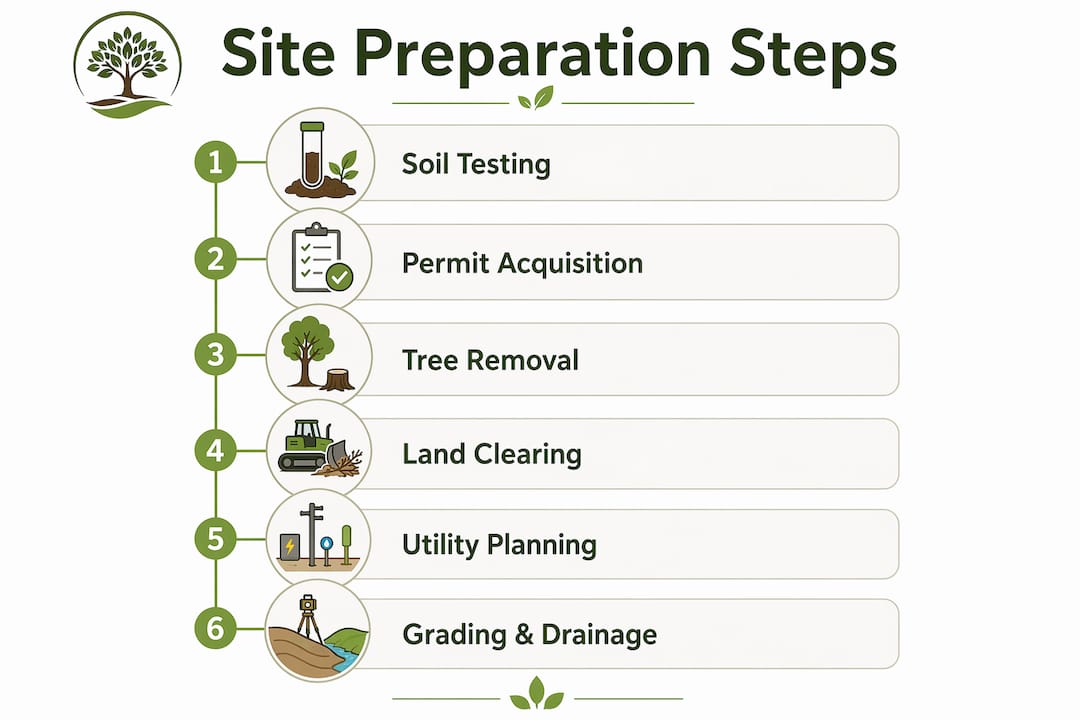
Site preparation is the process of readying your property through surveying, clearing, grading, and compliance checks to create a stable, legal foundation for construction or landscaping. In Central Florida, that process carries extra weight. Sandy soils, high water tables, protected tree species, and county-level permitting rules all shape what your site preparation guide must include before a single shovel breaks ground. Skip any one of these steps and you risk delays, fines, or structural failure that compounds through every phase of your project.
What local regulations and permits govern site preparation in Central Florida?
Permitting is the first wall most property owners hit, and hitting it unprepared costs weeks. Land disturbance of 5,000 square feet or more triggers a mandatory development review in many Central Florida jurisdictions. That threshold is lower than most owners expect, and it catches residential projects just as often as commercial ones.
Florida also enforces strict tree protection ordinances at the county and municipal level. Tree removal permits are required whenever you remove trees above a certain diameter or species protected under local code. Violating these ordinances carries fines and can halt your project entirely.
Key permits and approvals to coordinate before breaking ground:
- Development review approval for any land disturbance over 5,000 square feet
- Tree removal permits for protected species or trees above the diameter threshold set by your municipality
- Septic and well permits if the property is not connected to municipal utilities
- Drainage and stormwater permits to meet water management district standards
- Wetland activity permits from Florida DEP or regional water management districts for any fill or dredge work near wetlands
Pro Tip: Contact your county’s planning and zoning office before hiring any contractor. Knowing your permit requirements upfront lets you sequence the work correctly and avoid stop-work orders.
Tree removal and land clearing in Florida require permits coordinated by contractors familiar with local ordinances. Hiring a team without that local knowledge is one of the most common and costly mistakes owners make.
How to assess and prepare Central Florida soil for construction stability
Soil testing is not optional in Central Florida. It is the difference between a foundation that lasts decades and one that cracks within a few years. Central Florida’s sandy soil and high water tables make compaction and soil integrity testing essential for foundation longevity. Sand drains quickly but compacts unevenly, and water tables can shift seasonally in ways that destabilize sub-grade layers.
A professional geotechnical engineer will run several tests before any construction begins:
- Standard Penetration Test (SPT): Measures soil resistance at depth to determine load-bearing capacity
- Percolation test: Evaluates drainage rate, which affects septic system placement and stormwater design
- Compaction testing: Confirms that fill material meets density requirements before pouring a slab
- Soil classification: Identifies soil type and organic content that could cause settling
Skipping soil integrity testing in Central Florida risks foundation failure within a few years. Unstable sandy soils and fluctuating water tables are the leading cause of cracked slabs and drainage failure on sites that bypassed pre-construction soil engineering.
The interpretation of these results shapes every decision that follows. If the soil cannot support the planned load, you may need to import fill, install pilings, or redesign drainage before grading begins. Catching this early saves far more than the cost of the tests.
What are the steps to clear and prepare your land before building or landscaping?
Land clearing in Central Florida follows a specific sequence. Skipping steps or reordering them creates problems that are expensive to fix later. Proper lot preparation saves time and money by preventing compounding problems during construction phases.
- Commission a professional land survey. A land survey defines property boundaries, elevations, and features critical for permitting approval and project planning. Without it, you cannot confirm setbacks or buildable areas.
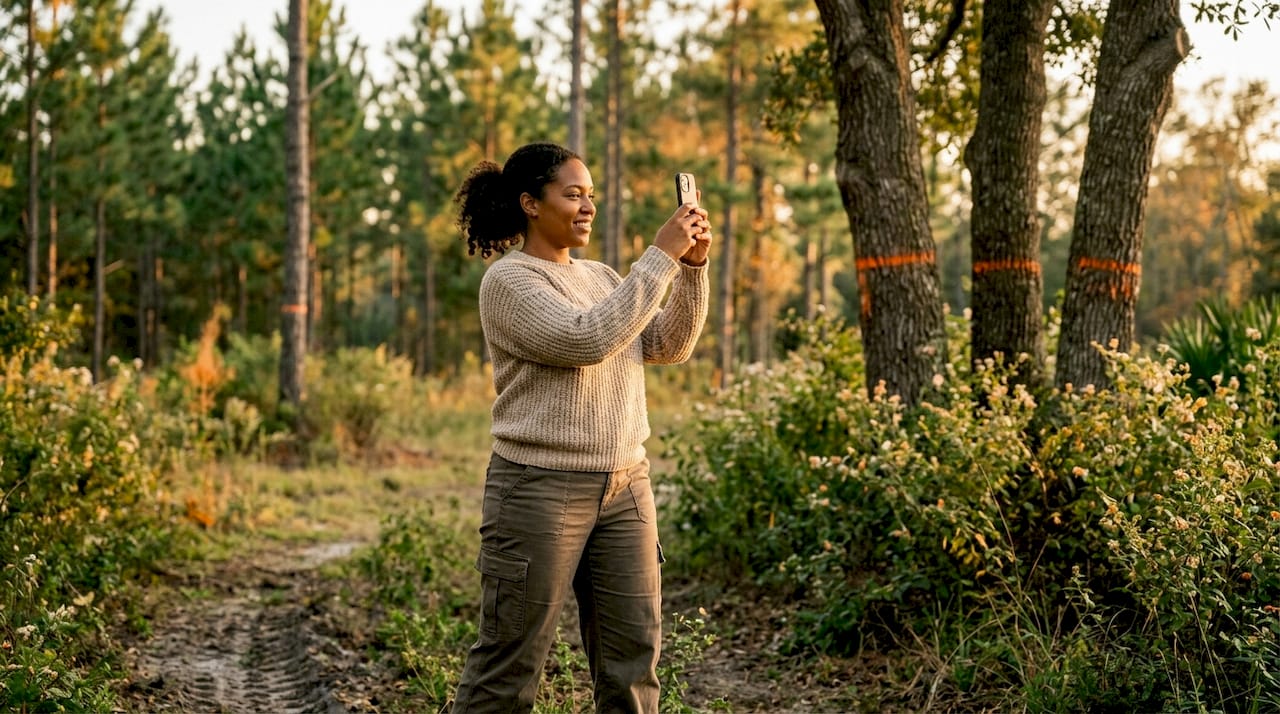
- Mark protected trees and vegetation. Before any equipment arrives, flag every tree that requires a permit or falls under local protection ordinances. Mcculloughtreeservice recommends consulting a certified arborist at this stage to avoid accidental removal of protected species.
- Remove non-protected trees and brush. Clearing dense vegetation like palmetto and sand pine requires specialized equipment because of their deep root systems. Standard brush hogs are not sufficient for established palmetto stands.
- Grind stumps and remove organic debris. Stumps left in place decompose and create voids that cause settling. Stump grinding followed by debris removal prepares the surface for accurate grading. You can review the full stump grinding process to understand what this step involves.
- Rough grade the site. Establish the general elevation and slope needed for drainage and foundation placement. This step moves the bulk of the soil.
- Fine grade and compact. After utilities are trenched, fine grading brings the surface to final elevation. Compaction testing confirms the sub-grade is ready for construction.
Pro Tip: Take photos and GPS coordinates of every marked tree before clearing begins. This documentation protects you if a permit dispute arises later.
Equipment used in Central Florida land clearing
| Equipment | Primary use | Why it matters in Central Florida |
|---|---|---|
| Bulldozer | Pushing large vegetation and rough grading | Handles palmetto root mats effectively |
| Excavator | Stump removal and trenching | Reaches deep root systems in sandy soil |
| Stump grinder | Grinding stumps below grade | Prevents organic voids that cause settling |
| Skid steer | Debris loading and tight-space clearing | Maneuvers in residential lots with limited access |
| Compactor | Sub-grade compaction | Critical for sandy soil stability before slabs |
For a complete regional breakdown of methods and costs, the land clearing methods guide covers what to expect at each stage.
How to plan utilities, access, and environmental considerations for your site
Utility planning runs parallel to clearing, not after it. Utility trenching for water, sewer, electric, and gas must be completed to code-specified depths before fine grading begins. Coordinating with utility companies early prevents the common mistake of grading a site only to tear it up again for trenching.
Central Florida’s environmental rules add another layer. Wetland permits are required for non-exempt fill and dredge activities regulated by Florida DEP and regional water management districts. Many Central Florida properties sit adjacent to or within wetland buffers, and owners often do not realize this until a contractor flags it mid-project.
Key planning considerations for utilities, access, and environmental compliance:
- Locate all existing utilities using 811 (Call Before You Dig) before any excavation begins. Florida law requires this call.
- Design construction access roads to avoid compacting areas designated for landscaping or drainage swales.
- Plan staging areas for equipment and materials away from protected tree root zones. Root zone damage is irreversible and can kill a tree years after construction ends.
- Confirm septic setbacks from wells, property lines, and water bodies before finalizing the site layout.
- Assess wetland boundaries with a qualified environmental consultant if your property is near any water feature, drainage ditch, or low-lying area.
Proper drainage design is non-negotiable in a region that receives heavy summer rainfall. Grading must direct water away from the foundation and toward approved discharge points. Failing to account for this during pre-construction preparation creates flooding issues that no amount of landscaping can fix after the fact. A solid land preparation checklist will include drainage design as a required item, not an afterthought.
Building a fence or perimeter structure as part of your site plan also requires coordination with your grading and drainage design. A guide on building a residential fence correctly covers how fence placement interacts with drainage and property line setbacks, which is relevant when finalizing your site layout.
Key takeaways
Successful site preparation in Central Florida requires completing soil testing, permitting, clearing, and utility planning in the correct sequence before construction begins.
| Point | Details |
|---|---|
| Permits come first | Land disturbance over 5,000 sq ft triggers mandatory development review in most Central Florida jurisdictions. |
| Soil testing is non-negotiable | Sandy soils and high water tables cause foundation failure without pre-construction compaction and integrity testing. |
| Sequence clearing correctly | Survey, mark protected trees, clear, grind stumps, rough grade, trench utilities, then fine grade and compact. |
| Wetlands require special permits | Florida DEP and regional water management districts regulate fill and dredge activities near any wetland area. |
| Utility coordination prevents rework | Trench all utilities before fine grading to avoid tearing up a finished sub-grade. |
What I’ve learned from watching site prep go wrong in Central Florida
The most expensive mistakes I see on Central Florida properties are not dramatic. They are quiet. A property owner skips the soil test because the ground looks solid. A contractor clears a tree without checking the local ordinance. A drainage plan gets finalized before anyone calls 811. Each of these decisions feels minor in the moment and catastrophic six months later.
Sandy soil is deceptive. It feels firm underfoot, especially in dry conditions. But load it with a slab and a structure, and the same soil that felt stable begins to shift. I have seen slabs crack within two years on sites where no compaction testing was done. The fix costs far more than the original test.
Tree ordinances in Central Florida are also stricter than most owners realize. Orange County, Seminole County, and the City of Orlando each have their own protected species lists and diameter thresholds. What is legal to remove in one jurisdiction requires a permit in the next. Working with a team that knows Florida’s protected tree regulations is not a luxury. It is the only way to avoid fines and forced replanting requirements that derail timelines.
My honest advice: treat site preparation as a project in itself, not a preliminary step. Budget for it, schedule it properly, and hire specialists for the parts that require local knowledge. The owners who do this finish their projects on time. The ones who rush it spend the back half of their build fixing the front half.
— Results
Mcculloughtreeservice: site preparation support for Central Florida properties
Mcculloughtreeservice provides the tree removal, stump grinding, and land clearing services that Central Florida property owners need at the start of any development project.
The team holds certified arborist credentials and works within local permitting requirements across Orlando and surrounding counties. Whether you need a single hazardous tree removed before grading or a full land clearing process for a new build, Mcculloughtreeservice brings the equipment, licensing, and regional knowledge to get the site ready correctly. Expert tree removal is the foundation of every successful site prep engagement the team handles. Contact Mcculloughtreeservice for a site assessment and a customized plan built around your property’s specific conditions.
FAQ
What triggers a development review in Central Florida?
Land disturbance of 5,000 square feet or more triggers a mandatory development review in most Central Florida jurisdictions. Check with your county’s planning office before starting any clearing work.
Do I need a permit to remove trees on my own property in Florida?
Yes, in most cases. Tree removal in Florida requires permits for protected species or trees above the diameter threshold set by your local municipality. Requirements vary by county and city, so confirm with your local authority before removal.
How long does site preparation take for a typical Central Florida lot?
Timeline depends on lot size, vegetation density, soil conditions, and permit processing times. A standard residential lot can take two to six weeks from permit approval through fine grading, assuming no major soil or wetland issues arise.
Why is soil testing so important before building in Central Florida?
Central Florida’s sandy soils and fluctuating water tables create unstable sub-grade conditions that cause settling and cracked slabs without proper compaction and integrity testing. Soil testing identifies these risks before construction begins, when they are still inexpensive to address.
What environmental permits are required for site work near wetlands in Florida?
Wetland permits from Florida DEP and regional water management districts are required for any non-exempt fill or dredge activity. Properties near drainage ditches, ponds, or low-lying areas often fall within regulated wetland buffers.
Recommended
- Land clearing checklist 2026: Central Florida guide
- Tree Planting Guide Central Florida for Homeowners
- A homeowner’s guide to planting trees in Central Florida
- Tree Planting Considerations for Central Florida Homes